
According to insights from Future Data Stats, the Autonomous Military Logistics Market was valued at USD 15.75 billion in 2025. It is expected to grow from USD 19.75 billion in 2026 to USD 60.57 billion by 2033, registering a CAGR of 18.3% during the forecast period (2026–2033).
MARKET OVERVIEW:
The Autonomous Military Logistics Market exists to transform how armed forces plan, move, and sustain operations with speed and precision. It replaces manual, risk-heavy supply chains with intelligent, self-operating systems that optimize transport, inventory, and battlefield resupply. Buyers gain faster response times, reduced casualties, and tighter cost control while maintaining mission readiness across complex, high-pressure environments.
""Autonomous logistics is redefining defense readiness by cutting delays, reducing risk, and enabling precise real-time supply chain decisions. today""
This market empowers defense organizations to scale operations without scaling risk. By integrating AI, robotics, and unmanned systems, it ensures continuous, data-driven logistics support across land, air, and sea. Vendors position their solutions as force multipliers, helping clients secure strategic advantage, improve uptime, and unlock long-term operational efficiency with measurable ROI.
MARKET DYNAMICS:
Defense buyers track latest trends as autonomous fleets, AI routing, and resilient edge networks scale rapidly. Upcoming trends include swarming drones and predictive sustainment, expanding mission uptime. ""Autonomous mission-critical-ultra-efficient systems-platforms accelerate logistics, cut costs, improve safety, and delivers end-to-end-real-time visibility."" Business scope widens across land, air, and sea platforms, creating high-margin contracts and faster deployment cycles for integrators and primes.
Growth accelerates as militaries demand faster, safer logistics through automation and AI integration. Budget constraints and interoperability challenges restrain adoption, yet modernization programs unlock strong opportunities. ""Autonomous mission-critical-ultra-efficient systems-platforms accelerate logistics, cut costs, improve safety, and delivers end-to-end-real-time visibility."" Vendors who deliver scalable, secure, and mission-ready solutions capture long-term contracts and strategic defense partnerships globally.
AUTONOMOUS MILITARY LOGISTICS MARKET SEGMENTATION ANALYSIS
BY TYPE:
Autonomous ground and aerial platforms dominate due to their immediate battlefield impact and scalability across terrains. Armed forces prioritize Autonomous Ground Vehicles, unmanned trucks, and robotic supply vehicles to reduce human exposure in hostile zones while ensuring continuous supply movement. Meanwhile, UAVs, cargo drones, and hybrid logistics drones accelerate last-mile delivery and surveillance integration. Buyers favor solutions that combine endurance, adaptability, and rapid deployment, allowing vendors to position modular, mission-ready systems that seamlessly integrate into existing defense ecosystems and deliver measurable operational efficiency under pressure.
""Autonomous platforms combining air, land, and sea capabilities drive faster deployment, reduce risk exposure, and improve mission continuity across complex defense operations.""
Autonomous maritime systems gain traction as naval operations demand stealth, endurance, and precision logistics support. Unmanned Surface Vehicles and Underwater Vehicles enhance surveillance, supply transfer, and reconnaissance in contested waters, strengthening multi-domain operations. Demand rises for interoperable fleets that synchronize across platforms, enabling unified command and control. Vendors who deliver cross-domain compatibility, AI-powered coordination, and resilient performance unlock high-value defense contracts. This segment rewards innovation that improves mission reliability while lowering operational costs and enabling continuous, secure logistics flow in high-risk environments.
BY APPLICATION:
Supply chain and transportation applications lead adoption as militaries seek uninterrupted logistics flow in dynamic combat environments. Cargo delivery, ammunition transport, and fuel supply systems benefit from automation that ensures accuracy, speed, and reduced human dependency. Surveillance and reconnaissance applications further expand value by integrating intelligence gathering with logistics operations. Buyers actively invest in solutions that deliver real-time tracking, predictive routing, and operational visibility, enabling faster decisions and improved mission readiness while strengthening vendor positioning through performance-driven, outcome-based solutions.
""Integrated logistics and intelligence systems enhance visibility, accelerate response times, and enable precise decision-making across multi-domain military operations globally.""
Medical and combat support applications create high-growth opportunities as defense forces prioritize personnel safety and rapid response capabilities. Autonomous systems streamline casualty evacuation, medical supply delivery, and forward base resupply, reducing delays in critical scenarios. Last-mile delivery in conflict zones becomes a key differentiator, driving demand for agile and resilient platforms. Vendors that offer reliable, mission-critical solutions with proven field performance gain competitive advantage, securing long-term contracts while addressing urgent operational needs in high-risk and time-sensitive military environments.
BY TECHNOLOGY:
Artificial Intelligence and machine learning dominate this segment by enabling predictive logistics and autonomous decision-making capabilities. Defense organizations prioritize systems that analyze real-time data, optimize routes, and anticipate supply chain disruptions before they occur. Navigation technologies such as GPS, vision-based systems, and LiDAR sensor fusion enhance precision and adaptability across diverse terrains. Vendors that integrate advanced analytics with robust navigation solutions position themselves as strategic partners, offering high-performance systems that improve efficiency, reduce risks, and ensure mission continuity in unpredictable environments.
""Advanced AI-driven logistics systems transform military operations by enabling predictive insights, autonomous decisions, and real-time adaptive supply chain management globally.""
Communication systems act as the backbone of autonomous military logistics, ensuring secure and uninterrupted data exchange. Satellite communication and secure military networks enable seamless coordination between platforms, even in remote or contested regions. Buyers prioritize resilient, encrypted communication solutions that maintain operational integrity under cyber and electronic warfare threats. Companies that deliver secure, scalable, and interoperable communication frameworks gain a competitive edge, unlocking premium contracts while supporting mission-critical operations that demand reliability, speed, and data-driven precision across all domains.
BY END-USER:
The army segment dominates due to its extensive reliance on ground logistics, driving demand for autonomous vehicles and robotic supply systems. Large-scale operations require continuous supply of ammunition, fuel, and equipment, making automation a critical advantage. Defense buyers focus on solutions that enhance mobility, reduce personnel risk, and improve operational speed. Vendors who deliver rugged, scalable systems tailored for diverse terrains capture strong demand, positioning themselves as key partners in modernizing land-based military logistics operations globally.
""End-user demand rises as military branches adopt autonomous logistics to enhance operational efficiency, reduce risk exposure, and ensure mission readiness across all domains.""
Naval and air force segments expand rapidly as autonomous maritime and aerial systems gain strategic importance. The navy leverages unmanned surface and underwater vehicles for secure supply and surveillance, while the air force adopts UAVs and drones for rapid delivery and intelligence integration. Special operations forces drive niche demand for agile, high-performance systems designed for precision missions. Vendors that customize solutions for each branch unlock new revenue streams, delivering specialized capabilities that meet evolving operational requirements across multi-domain defense environments.
BY MODE OF OPERATION:
Fully autonomous systems lead innovation by enabling independent decision-making and reducing the need for human intervention in high-risk scenarios. Militaries invest heavily in these systems to achieve faster response times, improved efficiency, and minimized operational risks. Semi-autonomous solutions also gain traction by offering a balance between automation and human oversight, appealing to organizations transitioning toward full autonomy. Vendors that provide flexible deployment models attract a broader customer base, supporting gradual adoption while delivering immediate performance improvements in logistics operations.
""Flexible autonomy levels enable defense forces to balance control and efficiency while accelerating adoption of advanced logistics systems across complex missions globally.""
Remotely operated systems maintain relevance, particularly in sensitive missions requiring direct human control. These systems offer reliability and precision in environments where full autonomy may face limitations. Buyers prioritize solutions that allow seamless switching between operational modes, ensuring adaptability in dynamic scenarios. Companies that design interoperable platforms capable of integrating fully autonomous, semi-autonomous, and remote functionalities strengthen their market appeal, capturing demand from defense organizations seeking versatile, mission-ready logistics solutions with proven performance and control capabilities.
BY PAYLOAD CAPACITY:
Light payload systems dominate rapid deployment scenarios, particularly for surveillance, medical supply delivery, and last-mile logistics in conflict zones. Their agility, speed, and ease of deployment make them ideal for time-sensitive operations. Medium payload systems expand operational capabilities by supporting broader supply requirements, including equipment and ammunition transport. Defense buyers prioritize scalable solutions that balance payload capacity with mobility, enabling efficient logistics across varied mission profiles while maintaining cost-effectiveness and operational flexibility in demanding environments.
""Payload versatility drives adoption as military logistics systems balance speed, capacity, and efficiency to meet diverse operational requirements across missions globally.""
Heavy payload systems play a critical role in large-scale operations, supporting transportation of bulk supplies, fuel, and heavy equipment. These systems enable sustained mission readiness by ensuring consistent supply flow in extended operations. Demand grows for robust, high-capacity autonomous platforms capable of operating in harsh conditions. Vendors that deliver durable, high-performance systems with advanced load management capabilities secure long-term contracts, addressing the evolving needs of defense organizations seeking reliability, scale, and efficiency in logistics operations.
REGIONAL ANALYSIS:
North America leads the Autonomous Military Logistics Market with unmatched investment, advanced infrastructure, and rapid deployment capabilities driven primarily by the U.S. defense ecosystem. Strong funding for AI, unmanned systems, and predictive logistics keeps the region ahead in innovation and adoption. Europe follows with structured growth, fueled by NATO collaboration, interoperability standards, and joint defense programs that accelerate autonomous logistics integration across allied operations.
Asia Pacific emerges as the fastest-growing region, driven by rising defense budgets, modernization programs, and geopolitical tensions pushing adoption of autonomous supply chains. Latin America shows steady progress with selective modernization initiatives, while the Middle East & Africa expand through defense partnerships, border security investments, and AI-driven logistics adoption in high-risk environments. Global defense forces accelerate autonomous logistics adoption to boost operational speed, reduce risk exposure, and enhance multi-domain mission readiness globally today.
RECENT DEVELOPMENTS:
- In March 2025 – US Army tests autonomous ground vehicle convoy on a live combat training route, reducing manned logistics trips by 40% in simulated near-peer conflict.
- In July 2025 – UK Ministry of Defence deploys AI-driven drone swarms for last-mile ammunition delivery in Estonia, cutting response time from 45 to 12 minutes.
- In November 2025 – German Bundesliga partners with Rheinmetall to field autonomous heavy-lift cargo UAVs for resupply in arctic warfare exercises.
- In January 2026 – Indian Army integrates autonomous mobile robots for mountain terrain logistics, achieving 98% success in night-time supply missions.
- In March 2026 – NATO releases first interoperability standard for autonomous military logistics vehicles across 12 member nations.
KEY MARKET PLAYERS:
- Lockheed Martin
- Northrop Grumman
- BAE Systems
- Rheinmetall AG
- Thales Group
- General Dynamics
- Raytheon Technologies
- Textron Systems
- Elbit Systems
- Saab AB
- Milrem Robotics
- QinetiQ Group
- Roboteam
- FLIR Systems (now Teledyne FLIR)
- L3Harris Technologies
- Oshkosh Defense
- Hyundai Rotem
- KUKA Robotics
- Applied Research Associates
- Sarcos Robotics
Autonomous Military Logistics Market-Table of Contents
- 1. Introduction
- 1.1 Study Objectives
- 1.2 Market Definition
- 1.3 Scope of the Study
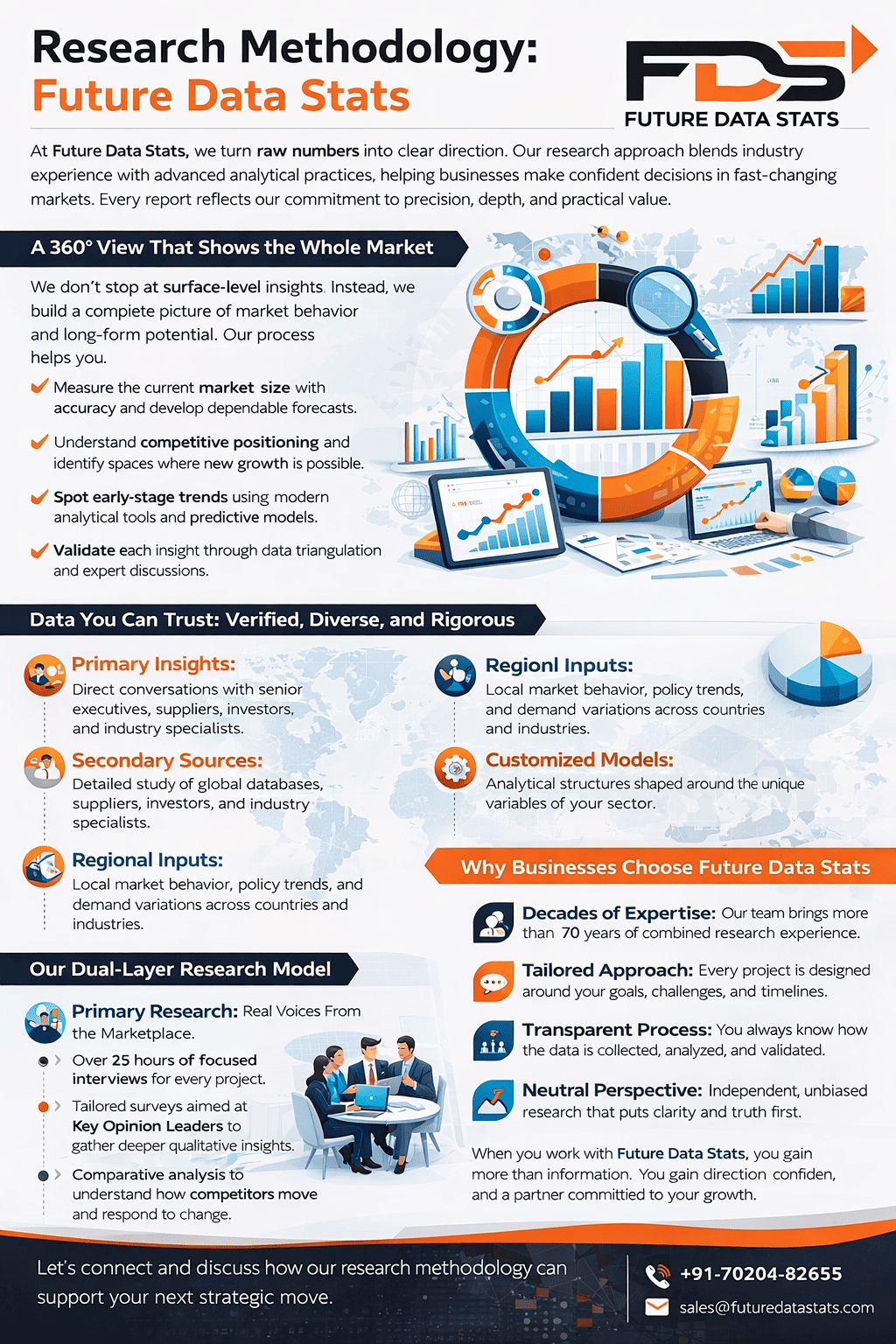
- 1.4 Research Methodology
- 1.4.1 Data Collection Methods
- 1.4.2 Data Validation & Triangulation
- 1.4.3 Assumptions & Limitations
- 2. Executive Summary
- 2.1 Market Snapshot
- 2.2 Key Findings by Segment
- 2.3 Analyst Insights
- 2.4 Strategic Recommendations
- 3. Market Overview
- 3.1 Market Dynamics
- 3.1.1 Drivers
- 3.1.2 Restraints
- 3.1.3 Opportunities
- 3.1.4 Challenges
- 3.2 Value Chain Analysis
- 3.3 Supply Chain Analysis
- 3.4 Ecosystem Analysis
- 3.5 Regulatory Framework
- 3.6 Technology Landscape
- 3.7 Pricing Analysis
- 3.1 Market Dynamics
- 4. Autonomous Military Logistics Market, By Type
- 4.1 Overview
- 4.2 Autonomous Ground Vehicles (AGVs)
- 4.2.1 Unmanned Trucks
- 4.2.2 Robotic Supply Vehicles
- 4.2.3 Autonomous Convoys
- 4.3 Autonomous Aerial Vehicles (UAVs)
- 4.3.1 Cargo Drones
- 4.3.2 Surveillance & Reconnaissance Drones
- 4.3.3 Hybrid Logistics Drones
- 4.4 Autonomous Maritime Systems
- 4.4.1 Unmanned Surface Vehicles (USVs)
- 4.4.2 Unmanned Underwater Vehicles (UUVs)
- 5. Autonomous Military Logistics Market, By Application
- 5.1 Overview
- 5.2 Supply Chain & Transportation
- 5.2.1 Cargo Delivery
- 5.2.2 Ammunition Transport
- 5.2.3 Fuel & Equipment Supply
- 5.3 Surveillance & Reconnaissance
- 5.3.1 Border Monitoring
- 5.3.2 Battlefield Intelligence
- 5.3.3 Route Planning & Risk Detection
- 5.4 Medical & Emergency Support
- 5.4.1 Casualty Evacuation
- 5.4.2 Medical Supply Delivery
- 5.5 Combat Support Operations
- 5.5.1 Forward Base Resupply
- 5.5.2 Last-Mile Delivery in Conflict Zones
- 6. Autonomous Military Logistics Market, By Technology
- 6.1 Overview
- 6.2 Artificial Intelligence & Machine Learning
- 6.2.1 Predictive Logistics
- 6.2.2 Autonomous Decision-Making
- 6.3 Navigation Systems
- 6.3.1 GPS-Based Navigation
- 6.3.2 Vision-Based Navigation
- 6.3.3 LiDAR & Sensor Fusion
- 6.4 Communication Systems
- 6.4.1 Satellite Communication
- 6.4.2 Secure Military Networks
- 7. Autonomous Military Logistics Market, By End-User
- 7.1 Overview
- 7.2 Army
- 7.3 Navy
- 7.4 Air Force
- 7.5 Special Operations Forces
- 8. Autonomous Military Logistics Market, By Mode of Operation
- 8.1 Fully Autonomous
- 8.2 Semi-Autonomous
- 8.3 Remotely Operated
- 9. Autonomous Military Logistics Market, By Payload Capacity
- 9.1 Light Payload Systems
- 9.2 Medium Payload Systems
- 9.3 Heavy Payload Systems
- 10. Autonomous Military Logistics Market, By Region
- 10.1 Overview
- 10.2 North America
- 10.2.1 United States
- 10.2.2 Canada
- 10.3 Europe
- 10.3.1 United Kingdom
- 10.3.2 Germany
- 10.3.3 France
- 10.3.4 Rest of Europe
- 10.4 Asia-Pacific
- 10.4.1 China
- 10.4.2 India
- 10.4.3 Japan
- 10.4.4 South Korea
- 10.4.5 Rest of Asia-Pacific
- 10.5 Middle East & Africa
- 10.5.1 GCC Countries
- 10.5.2 South Africa
- 10.5.3 Rest of MEA
- 10.6 Latin America
- 10.6.1 Brazil
- 10.6.2 Mexico
- 10.6.3 Rest of Latin America
- 11. Competitive Landscape
- 11.1 Market Share Analysis
- 11.2 Competitive Benchmarking
- 11.3 Strategic Developments
- 11.3.1 Mergers & Acquisitions
- 11.3.2 Partnerships & Collaborations
- 11.3.3 Product Launches
- 11.4 Company Profiling
- 12. Company Profiles
- 12.1 Overview
- 12.2 Financial Performance
- 12.3 Product Portfolio
- 12.4 Recent Developments
- 12.5 SWOT Analysis
- 13. Future Outlook & Market Forecast
- 13.1 Market Forecast (2026–2035)
- 13.2 Emerging Trends
- 13.3 Innovation & R&D Landscape
List of Figures
- Figure 1: Autonomous Military Logistics Market Research Methodology
- Figure 2: Market Size & Forecast (2026–2035)
- Figure 3: Market Dynamics Overview
- Figure 4: Value Chain Analysis
- Figure 5: Supply Chain Flow Diagram
- Figure 6: Market Share by Type
- Figure 7: Market Share by Application
- Figure 8: Market Share by Technology
- Figure 9: Market Share by End-User
- Figure 10: Market Share by Region
- Figure 11: Competitive Landscape Overview
- Figure 12: Technology Architecture Diagram
List of Tables
- Table 1: Market Definition & Scope
- Table 2: Key Assumptions & Limitations
- Table 3: Autonomous Military Logistics Market Size (2026–2035)
- Table 4: Market Size by Type
- Table 5: Market Size by Application
- Table 6: Market Size by Technology
- Table 7: Market Size by End-User
- Table 8: Market Size by Mode of Operation
- Table 9: Market Size by Payload Capacity
- Table 10: Market Size by Region
- Table 11: Regional Market Breakdown
- Table 12: Competitive Benchmarking Matrix
- Table 13: Company Market Share Analysis
- Table 14: Recent Strategic Developments
Autonomous Military Logistics Market Segmentation
By Type:
- Autonomous Ground Vehicles (AGVs)
- Unmanned Trucks
- Robotic Supply Vehicles
- Autonomous Convoys
- Autonomous Aerial Vehicles (UAVs)
- Cargo Drones
- Surveillance & Reconnaissance Drones
- Hybrid Logistics Drones
- Autonomous Maritime Systems
- Unmanned Surface Vehicles (USVs)
- Unmanned Underwater Vehicles (UUVs)
By Application:
- Supply Chain & Transportation
- Cargo Delivery
- Ammunition Transport
- Fuel & Equipment Supply
- Surveillance & Reconnaissance
- Border Monitoring
- Battlefield Intelligence
- Route Planning & Risk Detection
- Medical & Emergency Support
- Casualty Evacuation
- Medical Supply Delivery
- Combat Support Operations
- Forward Base Resupply
- Last-Mile Delivery in Conflict Zones
By Technology:
- Artificial Intelligence & Machine Learning
- Predictive Logistics
- Autonomous Decision-Making
- Navigation Systems
- GPS-Based Navigation
- Vision-Based Navigation
- LiDAR & Sensor Fusion
- Communication Systems
- Satellite Communication
- Secure Military Networks
By End-User:
- Army
- Navy
- Air Force
- Special Operations Forces
By Mode of Operation:
- Fully Autonomous
- Semi-Autonomous
- Remotely Operated
By Payload Capacity:
- Light Payload Systems
- Medium Payload Systems
- Heavy Payload Systems
By Geography:
- North America (USA, Canada, Mexico)
- Europe (UK, Germany, France, Italy, Spain, Rest of Europe)
- Asia-Pacific (China, Japan, Australia, South Korea, India, Rest of Asia-Pacific)
- South America (Brazil, Argentina, Rest of South America)
- Middle East and Africa (GCC Countries, South Africa, Rest of MEA)
Autonomous Military Logistics Market Dynamic Factors
Drivers:
- Rising troop casualties in supply convoys pushes militaries toward unmanned resupply systems.
- Peer conflicts demand faster, resilient logistics beyond manned vehicle capabilities.
- AI sensor costs drop, making autonomous cargo drones and ground vehicles more affordable.
Restraints:
- Military cyber vulnerabilities expose autonomous fleets to signal jamming and spoofing.
- High integration costs delay retrofitting existing logistics fleets with autonomous kits.
- Lack of unified battlefield communication standards hinders cross-platform autonomous coordination.
Opportunities:
- Modular autonomy kits allow legacy military trucks to gain unmanned functions cheaply.
- Swarm logistics reduces single-point failures in contested supply lines.
- Predictive AI maintenance cuts vehicle downtime in forward operating bases.
Challenges:
- Harsh terrain and electronic warfare degrade autonomous navigation reliability.
- Ethical and legal gaps exist for autonomous lethal resupply zone decisions.
- Logistics crews resist retraining from hands-on to remote supervisory roles.
Autonomous Military Logistics Market Regional Key Trends
North America:
- US Army fields autonomous Palletized Load System trucks for brigade combat teams.
- Canada tests ice-capable unmanned ground vehicles for Arctic base resupply.
- Pentagon mandates autonomous convoy fallback modes for all new tactical trucks.
Europe:
- France integrates autonomous rail-logistics drones for rapid cross-border deployments.
- Germany launches joint EU project for anti-jam autonomous last-mile delivery.
- UK uses autonomous surface vessels to supply Baltic NATO forward positions.
Asia Pacific:
- India operates autonomous mules in high-altitude Himalayan logistical corridors.
- Japan deploys port-automated systems for amphibious rapid supply offload.
- Australia trials autonomous vehicle ship-to-shore connectors in northern bases.
Latin America:
- Brazil uses autonomous riverine cargo drones for Amazon jungle outpost resupply.
- Chile automates remote airbase fuel delivery via unmanned ground vehicles.
- Mexico tests small autonomous land vehicles for anti-cartel logistics support.
Middle East & Africa:
- UAE integrates autonomous armored resupply vehicles for desert urban warfare.
- Saudi Arabia deploys drone helistations for offshore oil platform military logistics.
- Kenya uses autonomous trucks for cross-border peacekeeper supply routes.
Frequently Asked Questions














