
MARKET OVERVIEW:
The Heavy Equipment Market serves industries that rely on powerful machinery to execute large-scale construction, mining, agriculture, forestry, and infrastructure projects efficiently. Its primary purpose is to provide equipment capable of handling demanding operational tasks while improving productivity, reducing manual labor, and supporting project timelines. Companies invest in advanced heavy equipment to optimize resource utilization, increase operational precision, and strengthen project delivery capabilities. As governments and private investors expand infrastructure spending, the market continues to play a critical role in economic development and industrial growth.
""Research insight: Modern heavy equipment users prioritize fuel efficiency, uptime, and automation, driving stronger investment decisions globally.""
The market also supports business expansion by enabling contractors, developers, and industrial operators to complete complex projects with greater speed and reliability. Manufacturers continuously introduce intelligent technologies, telematics, and sustainable power solutions to meet evolving customer expectations. These innovations help organizations improve safety, lower operating costs, and maximize equipment performance. As demand for smart construction and industrial modernization rises, the Heavy Equipment Market creates significant opportunities for suppliers seeking rapid customer acquisition and long-term revenue growth.
MARKET DYNAMICS:
Heavy Equipment Market growth accelerates through automation, telematics integration, electric machinery adoption, and predictive maintenance solutions. Emerging trends include autonomous operations, connected fleets, and sustainable power systems. ""Research insight: Smart equipment adoption improves project efficiency, lowers downtime, and enhances fleet utilization across industries globally."" Expanding infrastructure investments and industrial modernization create substantial business scope for manufacturers, rental providers, and technology partners.
Infrastructure development, urban expansion, and mining activities drive Heavy Equipment Market demand worldwide. High acquisition costs, maintenance expenses, and economic uncertainty restrain broader adoption among smaller operators. ""Research insight: Flexible financing models and equipment digitization significantly improve purchasing confidence and operational efficiency worldwide."" Opportunities emerge through equipment leasing, electrification, aftermarket services, and advanced fleet management solutions.
HEAVY EQUIPMENT MARKET SEGMENTATION ANALYSIS
BY EQUIPMENT TYPE:
Earthmoving equipment remains the leading revenue contributor within the heavy equipment market due to its extensive deployment across infrastructure, commercial construction, mining, and urban development projects. Excavators, loaders, bulldozers, and backhoes are indispensable for large-scale site preparation and land development activities. Increasing investments in transportation networks, industrial corridors, and smart city projects continue to strengthen demand. Contractors increasingly prioritize versatile equipment capable of handling multiple tasks, improving utilization rates and project efficiency. This broad applicability enables earthmoving machinery to maintain a commanding position within overall equipment sales and rental fleets globally.
Research Insight: ""Infrastructure modernization and expanding construction pipelines continue to position earthmoving equipment as the primary revenue engine across global markets.""
Material handling equipment, heavy construction vehicles, and road construction equipment collectively benefit from rising logistics activity and expanding industrialization. Warehousing expansion, manufacturing investments, and transportation infrastructure upgrades are encouraging procurement of cranes, forklifts, dump trucks, and paving machinery. Mining equipment also experiences stable demand as resource extraction projects expand to support industrial production and energy requirements. Agricultural equipment adoption is advancing through mechanization trends and labor optimization efforts. Together, these categories create a diversified demand structure, helping manufacturers balance cyclical fluctuations across end-use industries while strengthening long-term revenue visibility.
BY PROPULSION TYPE:
Internal combustion engine equipment currently dominates the propulsion landscape owing to its established infrastructure, proven performance, and suitability for high-power applications. Construction and mining operators continue to rely on diesel-powered machinery for demanding workloads requiring extended operating hours and dependable torque output. Availability of fueling networks and widespread maintenance expertise further reinforce adoption. Emerging economies, where large infrastructure projects are accelerating, continue to procure conventional heavy equipment at scale. These factors collectively support the sustained leadership of ICE-powered machinery despite ongoing advancements in alternative propulsion technologies across multiple industries.
Research Insight: ""Diesel-powered fleets remain dominant, but electrification is steadily reshaping procurement strategies among forward-looking equipment operators.""
Electric heavy equipment is gaining commercial traction as fleet owners seek lower operating costs, reduced emissions, and compliance with evolving environmental regulations. Hybrid systems are also attracting interest by offering improved fuel efficiency without sacrificing operational flexibility. Equipment manufacturers are investing heavily in battery technology, energy management systems, and charging infrastructure partnerships to accelerate adoption. Demand is particularly strong in urban construction environments where noise reduction and sustainability targets influence purchasing decisions. Although currently smaller in market share, electric and hybrid segments represent significant future growth opportunities for industry participants.
BY APPLICATION:
Construction represents the largest application segment, supported by continuous investments in residential, commercial, industrial, and public infrastructure development. Governments worldwide are prioritizing transportation upgrades, energy projects, and urban expansion programs, generating substantial equipment demand. Heavy machinery plays a critical role in excavation, material movement, grading, and site preparation activities. Private sector investments in commercial buildings, manufacturing facilities, and logistics hubs further enhance market growth. As project complexity increases, contractors increasingly seek technologically advanced equipment capable of improving productivity, reducing downtime, and optimizing resource utilization across diverse construction environments.
Research Insight: ""Construction activity continues to generate the broadest equipment demand, supported by public infrastructure spending and private investment.""
Mining and agriculture remain highly influential application areas due to their dependence on specialized machinery for operational efficiency. Mining companies require robust equipment capable of handling challenging environments while maximizing output and minimizing downtime. In agriculture, mechanization trends are encouraging adoption of advanced machinery to improve productivity and address labor shortages. Forestry and industrial applications also contribute steadily through equipment replacement cycles and operational modernization initiatives. Demand across these sectors is increasingly influenced by automation capabilities, fuel efficiency improvements, and lifecycle cost considerations, creating favorable conditions for sustained equipment procurement.
BY END USER:
Infrastructure and public works organizations account for a substantial share of heavy equipment demand due to large-scale investments in transportation, utilities, and urban development projects. Government-funded initiatives often involve extensive machinery deployment for roads, bridges, airports, railways, and water management systems. These projects require durable and high-capacity equipment capable of maintaining productivity under intensive operating conditions. Long project durations and substantial capital allocations provide consistent procurement opportunities for equipment manufacturers and rental providers. Consequently, infrastructure development remains a key driver supporting overall market expansion and equipment utilization rates.
Research Insight: ""Public infrastructure programs create long-term equipment demand visibility and remain a cornerstone of market growth.""
Industrial and commercial end users also contribute significantly through investments in manufacturing facilities, logistics centers, warehouses, and commercial developments. These sectors increasingly prioritize operational efficiency, driving demand for technologically advanced equipment with enhanced performance monitoring and automation features. Residential construction activity supports additional equipment utilization through housing development and urban expansion projects. Rising construction standards and project complexity are encouraging contractors to modernize fleets and adopt equipment with improved productivity characteristics. This broad end-user base helps sustain market stability while reducing dependence on any single economic sector.
BY SALES CHANNEL:
OEM direct sales dominate the heavy equipment market because large buyers often prefer purchasing machinery directly from manufacturers. Direct engagement enables access to customized configurations, technical support, financing solutions, warranties, and aftermarket service agreements. Major construction, mining, and industrial organizations frequently establish long-term procurement relationships with OEMs to ensure equipment reliability and operational continuity. Manufacturers also benefit from stronger customer relationships and improved visibility into evolving equipment requirements. These advantages support the continued dominance of direct sales channels, particularly for high-value machinery and large fleet acquisition programs.
Research Insight: ""Strong OEM relationships increasingly influence purchasing decisions as buyers prioritize service quality and lifecycle support.""
The aftermarket segment remains an essential revenue contributor due to ongoing maintenance, repair, replacement parts, and equipment upgrades. Fleet operators seek to maximize asset lifespan and reduce operational disruptions through proactive servicing strategies. Increasing adoption of telematics and predictive maintenance technologies is further strengthening aftermarket opportunities by enabling timely component replacement and performance optimization. Rental providers and independent service networks also contribute to aftermarket growth by supporting diverse customer requirements. As equipment fleets expand globally, aftermarket services are expected to generate recurring revenue streams and strengthen long-term industry profitability.
REGIONAL ANALYSIS:
North America maintains a strong position in the Heavy Equipment Market through continuous investments in transportation, energy, and commercial infrastructure projects. The region benefits from widespread adoption of advanced machinery, fleet automation, and equipment rental services that improve operational efficiency. Europe follows closely, supported by sustainable construction initiatives, strict environmental regulations, and modernization of industrial assets. Meanwhile, Asia Pacific leads market expansion due to rapid urbanization, large-scale infrastructure development, growing mining activities, and increasing government spending across emerging economies such as China, India, and Southeast Asian nations.
""Research insight: Infrastructure modernization and smart equipment adoption continue accelerating heavy equipment demand across developed and emerging economies.""
Latin America demonstrates steady growth as governments and private investors increase spending on mining, agriculture, and transportation infrastructure. Countries across the region continue upgrading equipment fleets to improve productivity and project execution. The Middle East & Africa region presents strong growth potential driven by large construction projects, smart city developments, energy investments, and expanding industrial activities. Rising demand for technologically advanced, fuel-efficient, and durable machinery creates attractive sales opportunities across all regions, enabling manufacturers and suppliers to strengthen market penetration and long-term revenue generation.
RECENT DEVELOPMENTS:
- In February 19, 2025 – Komatsu began proof-of-concept testing of the world's first large mining dump truck powered by a hydrogen combustion engine, supporting the industry's transition toward low-emission heavy equipment.
- In April 7, 2025 – Komatsu unveiled the next-generation PC220LCi-12 intelligent hydraulic excavator at Bauma 2025, featuring advanced machine-control technology to improve productivity and address labor shortages.
- In May 13, 2025 – Komatsu signed a multimillion-dollar agreement with Ouster to integrate advanced 3D lidar sensors into its autonomous mining equipment portfolio, enhancing automation and operational safety.
- In June 10, 2025 – Volvo Construction Equipment announced a global investment program worth approximately SEK 2.5 billion to expand crawler excavator production capacity across South Korea, Sweden, and North America.
- In September 2, 2025 – Komatsu launched the PC220LC-12 and PC220LCi-12 excavators, introducing upgraded operator cabins and intelligent machine-control systems designed to boost construction-site efficiency.
- In September 10, 2025 – Komatsu entered a strategic collaboration with Applied Intuition to develop software-defined and autonomous mining equipment platforms for next-generation heavy machinery operations.
- In February 17, 2026 – Caterpillar completed the acquisition of RPMGlobal, strengthening its mining technology and software capabilities while expanding digital solutions for equipment fleet management.
COMPETITOR OUTLOOK:
The Strait of Heavy Equipment Market remains highly competitive, led by global manufacturers that continue investing in automation, electrification, digital fleet management, and sustainable powertrain technologies. Industry leaders are focusing on smart construction equipment, autonomous mining solutions, and connected machinery platforms to improve productivity while reducing operating costs. Strategic partnerships, acquisitions, and product innovation remain key competitive strategies across both construction and mining equipment segments.
Major participants are also expanding manufacturing footprints and regional supply chains to address growing infrastructure investments and evolving customer requirements. Companies such as Caterpillar, Komatsu, Volvo CE, and Deere are accelerating development of intelligent and low-emission equipment, while Asian manufacturers including SANY, XCMG, and Hitachi Construction Machinery strengthen their international presence through competitive pricing, technological advancements, and expanding dealer networks.
KEY MARKET PLAYERS:
- Caterpillar Inc.
- Komatsu Ltd.
- Volvo Construction Equipment
- Deere & Company
- Hitachi Construction Machinery Co., Ltd.
- Liebherr Group
- SANY Group
- XCMG Group
- Doosan Bobcat Inc.
- Hyundai Construction Equipment Co., Ltd.
- CNH Industrial N.V.
- JCB Ltd.
- Kubota Corporation
- Terex Corporation
- Zoomlion Heavy Industry Science & Technology Co., Ltd.
- Sumitomo Construction Machinery Co., Ltd.
- Kobelco Construction Machinery Co., Ltd.
- LiuGong Machinery Co., Ltd.
- Tadano Ltd.
- Manitowoc Company, Inc.
Heavy Equipment Market-Table of Contents
Chapter 1: Introduction
- 1 Market Definition
- 2 Market Scope
- 3 Research Objectives
- 4 Market Assumptions
- 5 Stakeholders
- 6 Currency Considered
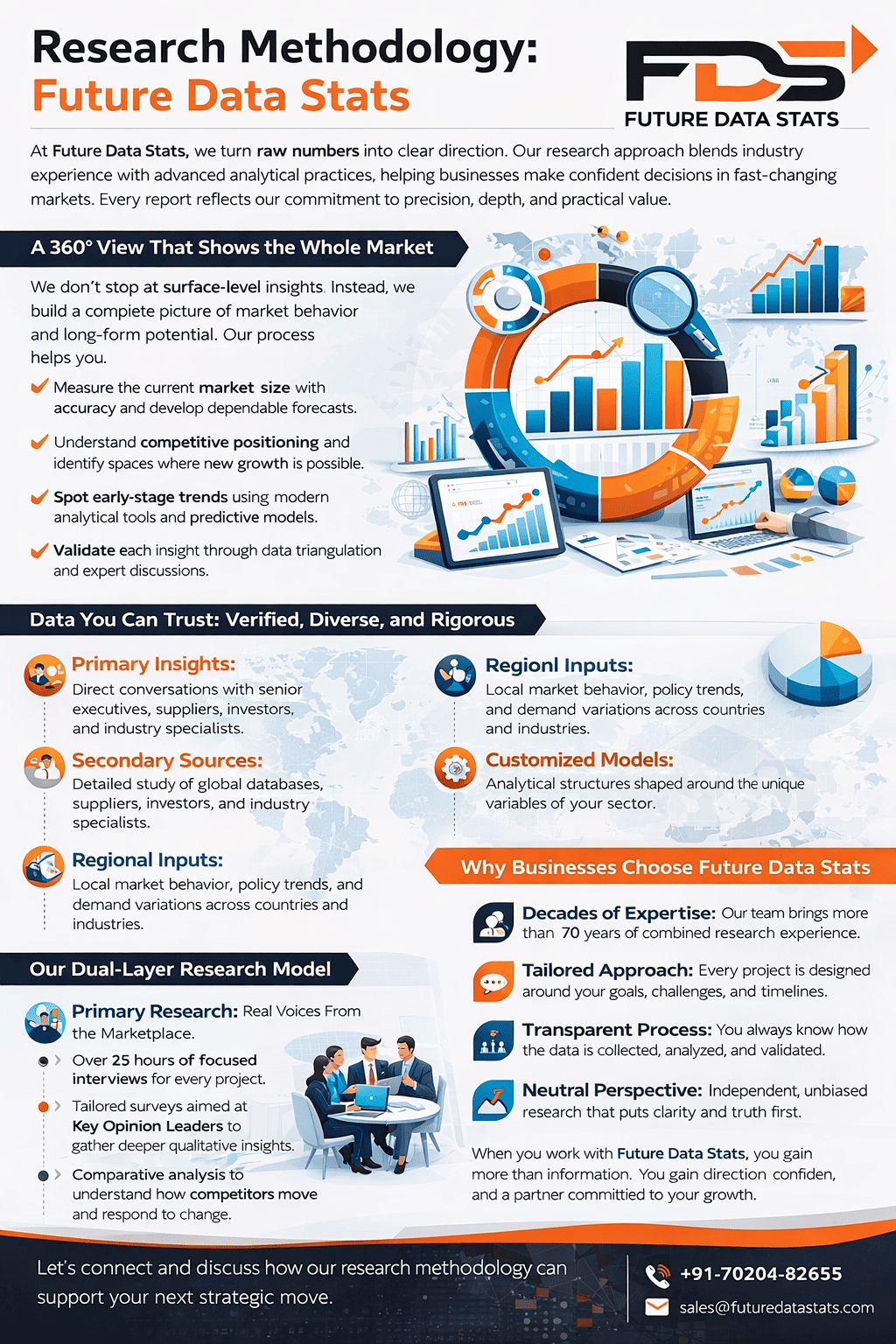
- 7 Research Methodology
- 7.1 Secondary Research
- 7.2 Primary Research
- 7.3 Data Triangulation
- 7.4 Market Size Estimation
- 8 Executive Summary
Chapter 2: Market Overview
- 1 Market Introduction
- 2 Market Dynamics
- 2.1 Drivers
- 2.2 Restraints
- 2.3 Opportunities
- 2.4 Challenges
- 3 Value Chain Analysis
- 4 Supply Chain Analysis
- 5 Pricing Analysis
- 6 Technology Landscape
- 7 Regulatory Framework
- 8 Porter's Five Forces Analysis
- 9 PESTEL Analysis
- 10 Impact Analysis of Macroeconomic Factors
Chapter 3: Heavy Equipment Market Size and Forecast
- 1 Global Market Revenue Analysis
- 2 Global Market Volume Analysis
- 3 Market Forecast (2025–2035)
- 4 Market Attractiveness Analysis
- 5 Incremental Growth Opportunity Analysis
Chapter 4: Heavy Equipment Market Analysis by Equipment Type
- 1 Overview
- 2 Earthmoving Equipment
- 3 Material Handling Equipment
- 4 Heavy Construction Vehicles
- 5 Road Construction Equipment
- 6 Mining Equipment
- 7 Agricultural Equipment
- 8 Market Size and Forecast by Equipment Type
Chapter 5: Heavy Equipment Market Analysis by Propulsion Type
- 1 Overview
- 2 Internal Combustion Engine (ICE)
- 3 Electric
- 4 Hybrid
- 5 Market Size and Forecast by Propulsion Type
Chapter 6: Heavy Equipment Market Analysis by Application
- 1 Overview
- 2 Construction
- 3 Mining
- 4 Agriculture
- 5 Forestry
- 6 Industrial
- 7 Others
- 8 Market Size and Forecast by Application
Chapter 7: Heavy Equipment Market Analysis by End User
- 1 Overview
- 2 Residential
- 3 Commercial
- 4 Industrial
- 5 Infrastructure & Public Works
- 6 Market Size and Forecast by End User
Chapter 8: Heavy Equipment Market Analysis by Sales Channel
- 1 Overview
- 2 OEM (Direct Sales)
- 3 Aftermarket
- 4 Market Size and Forecast by Sales Channel
Chapter 9: Heavy Equipment Market Analysis by Region
- 1 Overview
- 2 North America
- 2.1 United States
- 2.2 Canada
- 2.3 Mexico
- 3 Europe
- 3.1 Germany
- 3.2 United Kingdom
- 3.3 France
- 3.4 Italy
- 3.5 Spain
- 3.6 Rest of Europe
- 4 Asia-Pacific
- 4.1 China
- 4.2 Japan
- 4.3 India
- 4.4 South Korea
- 4.5 Australia
- 4.6 Rest of Asia-Pacific
- 5 Latin America
- 5.1 Brazil
- 5.2 Argentina
- 5.3 Rest of Latin America
- 6 Middle East & Africa
- 6.1 GCC Countries
- 6.2 South Africa
- 6.3 Rest of Middle East & Africa
Chapter 10: Competitive Landscape
- 1 Market Share Analysis
- 2 Competitive Benchmarking
- 3 Strategic Developments
- 3.1 Mergers & Acquisitions
- 3.2 Partnerships
- 3.3 Expansions
- 3.4 Product Launches
- 4 Competitive Dashboard
Chapter 11: Company Profiles
- 1 Company Overview
- 2 Business Description
- 3 Product Portfolio
- 4 Financial Overview
- 5 Recent Developments
- 6 SWOT Analysis
Chapter 12: Appendix
- 1 Acronyms and Abbreviations
- 2 Research Methodology Details
- 3 References
- 4 Disclaimer
List of Tables
- Table 1: Heavy Equipment Market Definition and Scope
- Table 2: Research Methodology Framework
- Table 3: Primary Research Respondent Breakdown
- Table 4: Market Dynamics Summary
- Table 5: Porter's Five Forces Analysis
- Table 6: PESTEL Analysis
- Table 7: Global Heavy Equipment Market Size and Forecast
- Table 8: Global Heavy Equipment Market by Equipment Type
- Table 9: Earthmoving Equipment Market Size and Forecast
- Table 10: Material Handling Equipment Market Size and Forecast
- Table 11: Heavy Construction Vehicles Market Size and Forecast
- Table 12: Road Construction Equipment Market Size and Forecast
- Table 13: Mining Equipment Market Size and Forecast
- Table 14: Agricultural Equipment Market Size and Forecast
- Table 15: Market by Propulsion Type
- Table 16: ICE Equipment Market Size and Forecast
- Table 17: Electric Equipment Market Size and Forecast
- Table 18: Hybrid Equipment Market Size and Forecast
- Table 19: Market by Application
- Table 20: Market by End User
- Table 21: Market by Sales Channel
- Table 22: North America Market Size and Forecast
- Table 23: Europe Market Size and Forecast
- Table 24: Asia-Pacific Market Size and Forecast
- Table 25: Latin America Market Size and Forecast
- Table 26: Middle East & Africa Market Size and Forecast
- Table 27: Competitive Benchmarking of Key Players
- Table 28: Market Share Analysis of Leading Companies
- Table 29: Recent Strategic Developments
- Table 30: Company Profile Comparison Matrix
List of Figures
- Figure 1: Heavy Equipment Market Research Methodology
- Figure 2: Market Segmentation Framework
- Figure 3: Market Dynamics Overview
- Figure 4: Value Chain Analysis
- Figure 5: Supply Chain Analysis
- Figure 6: Porter's Five Forces Model
- Figure 7: PESTEL Analysis Framework
- Figure 8: Global Heavy Equipment Market Size (Historical and Forecast)
- Figure 9: Market Share by Equipment Type
- Figure 10: Earthmoving Equipment Market Share
- Figure 11: Material Handling Equipment Market Share
- Figure 12: Heavy Construction Vehicles Market Share
- Figure 13: Road Construction Equipment Market Share
- Figure 14: Mining Equipment Market Share
- Figure 15: Agricultural Equipment Market Share
- Figure 16: Market Share by Propulsion Type
- Figure 17: ICE Equipment Market Share
- Figure 18: Electric Equipment Market Share
- Figure 19: Hybrid Equipment Market Share
- Figure 20: Market Share by Application
- Figure 21: Market Share by End User
- Figure 22: Market Share by Sales Channel
- Figure 23: Regional Market Share Analysis
- Figure 24: North America Market Analysis
- Figure 25: Europe Market Analysis
- Figure 26: Asia-Pacific Market Analysis
- Figure 27: Latin America Market Analysis
- Figure 28: Middle East & Africa Market Analysis
- Figure 29: Competitive Positioning Matrix
- Figure 30: Market Share of Leading Companies
- Figure 31: Strategic Development Analysis
- Figure 32: Industry Ecosystem Overview
Heavy Equipment Market Segmentation
By Equipment Type:
- Earthmoving Equipment
- Material Handling Equipment
- Heavy Construction Vehicles
- Road Construction Equipment
- Mining Equipment
- Agricultural Equipment
By Propulsion Type:
- Internal Combustion Engine (ICE)
- Electric
- Hybrid
By Application:
- Construction
- Mining
- Agriculture
- Forestry
- Industrial
- Others
By End User:
- Residential
- Commercial
- Industrial
- Infrastructure & Public Works
By Sales Channel:
- OEM (Direct Sales)
- Aftermarket
By Geography:
- North America (USA, Canada, Mexico)
- Europe (UK, Germany, France, Italy, Spain, Rest of Europe)
- Asia-Pacific (China, Japan, Australia, South Korea, India, Rest of Asia-Pacific)
- South America (Brazil, Argentina, Rest of South America)
- Middle East and Africa (GCC Countries, South Africa, Rest of MEA)

Heavy Equipment Market Dynamic Factors
Drivers:
- Expand infrastructure projects and public construction spending.
- Increase mining activities and resource extraction investments.
- Adopt advanced equipment with automation and telematics features.
Restraints:
- Face high equipment purchase and ownership costs.
- Encounter fluctuating raw material and component prices.
- Manage strict emission and environmental compliance requirements.
Opportunities:
- Develop electric and hybrid heavy equipment fleets.
- Expand equipment rental and leasing service offerings.
- Increase demand from emerging economies’ infrastructure programs.
Challenges:
- Address skilled operator and technician shortages.
- Navigate supply chain disruptions and delivery delays.
- Manage rising fuel, maintenance, and operating expenses.
Heavy Equipment Market Regional Key Trends
North America:
- Increase investment in transportation and utility infrastructure.
- Adopt autonomous and connected construction equipment.
- Expand equipment rental market penetration.
Europe:
- Accelerate deployment of low-emission machinery.
- Strengthen demand for energy and rail infrastructure projects.
- Integrate digital fleet monitoring solutions.
Asia Pacific:
- Drive equipment demand through large-scale urbanization projects.
- Expand mining and industrial development activities.
- Increase local manufacturing and export capabilities.
Latin America:
- Support market growth through mining sector expansion.
- Increase investment in road and logistics infrastructure.
- Adopt cost-efficient rental equipment models.
Middle East & Africa:
- Advance mega construction and smart city developments.
- Increase heavy equipment usage in mining operations.
- Expand investments in transportation and energy infrastructure.
Frequently Asked Questions














