
MARKET OVERVIEW:
The Hospital Curtains Market serves a critical role in healthcare environments by providing privacy, infection control, and space management solutions within hospitals, clinics, and long-term care facilities. These curtains help healthcare providers create secure patient areas while maintaining operational efficiency in shared wards, emergency rooms, and examination spaces. Growing emphasis on patient comfort, regulatory compliance, and hygiene standards continues to drive investments in advanced curtain materials that support safer healthcare settings and enhance facility aesthetics.
""Research indicates privacy-focused healthcare infrastructure upgrades increase patient satisfaction, infection control efficiency, and operational value.""
Healthcare institutions increasingly adopt antimicrobial, flame-retardant, and easy-to-maintain curtain systems to improve patient experiences and reduce contamination risks. Manufacturers capitalize on this demand by offering durable, customizable, and environmentally responsible products tailored to modern healthcare requirements. As healthcare facilities expand and renovate globally, the market presents strong opportunities for suppliers that deliver innovative solutions combining safety, functionality, and cost-effectiveness, making hospital curtains an essential component of contemporary healthcare infrastructure.
MARKET DYNAMICS:
The Hospital Curtains Market gains momentum through antimicrobial fabrics, recyclable materials, and smart tracking technologies improving healthcare operations. ""Market studies reveal innovative curtain solutions strengthen hygiene compliance, patient privacy standards, and procurement efficiency globally."" Upcoming demand for sustainable healthcare infrastructure expands commercial opportunities. Suppliers offering customized, durable, and regulation-compliant products attract stronger contracts, supporting long-term revenue growth across healthcare facilities.
Rising healthcare investments, stricter infection prevention protocols, and growing patient privacy concerns drive Hospital Curtains Market expansion. ""Industry assessments show advanced curtain systems enhance healthcare safety performance while reducing maintenance burdens effectively."" However, replacement costs and budget limitations restrain adoption in some facilities. Opportunities emerge through eco-friendly materials, antimicrobial innovations, and expanding healthcare infrastructure projects across developing regions.
HOSPITAL CURTAINS MARKET SEGMENTATION ANALYSIS
BY PRODUCT TYPE:
Disposable Hospital Curtains hold the dominant position within the product type segment due to growing concerns surrounding infection prevention and hygiene compliance in healthcare facilities. Hospitals increasingly adopt disposable solutions because they eliminate laundering requirements and reduce the risk of cross-contamination between patients. Their convenience, quick replacement capability, and compatibility with strict healthcare regulations make them particularly attractive for high-traffic medical environments. At the same time, reusable curtains maintain relevance in facilities seeking long-term cost efficiency, but the stronger demand for infection-control measures continues to drive preference toward disposable alternatives across modern healthcare systems worldwide.
""Research indicates healthcare providers increasingly prioritize infection-control solutions that reduce operational complexity while enhancing patient safety outcomes.""
The dominance of disposable products also reflects the expansion of healthcare infrastructure and rising patient admissions globally. Healthcare administrators value products that simplify maintenance processes and support rapid room turnover, especially in emergency and acute care settings. Manufacturers continue introducing environmentally conscious disposable options that address sustainability concerns while maintaining hygiene performance. Reusable curtains remain important in cost-sensitive facilities, yet disposable variants benefit from recurring replacement cycles and regulatory support. This combination of compliance advantages, operational efficiency, and continuous purchasing demand strengthens the leadership of disposable hospital curtains in the market.
BY MATERIAL:
Polyester dominates the material segment because it offers an ideal combination of durability, affordability, and performance for healthcare environments. Hospitals and clinics rely on polyester curtains due to their ability to withstand repeated cleaning, maintain structural integrity, and support antimicrobial and flame-retardant treatments. While polypropylene, blended fabrics, and specialty materials serve important applications, polyester remains the preferred option because it balances cost-effectiveness with long-term functionality. Its widespread availability and compatibility with healthcare requirements make it the material of choice for facilities seeking dependable privacy solutions without significantly increasing operational expenses.
""Industry findings reveal polyester-based healthcare textiles consistently outperform alternatives in durability, maintenance efficiency, and lifecycle value.""
Demand for polyester continues to strengthen as healthcare providers invest in facility modernization and patient-centered environments. Manufacturers increasingly enhance polyester fabrics with advanced coatings that improve hygiene performance and extend product lifespan. Although polypropylene gains traction in disposable applications and blended fabrics appeal to premium healthcare settings, polyester’s versatility allows it to address a broader range of requirements. Healthcare organizations value materials that deliver predictable performance while remaining budget-friendly. Consequently, polyester maintains a dominant position by supporting operational reliability, regulatory compliance, and scalable deployment across diverse healthcare facilities worldwide.
BY END USER:
Hospitals represent the dominant end-user segment because they require extensive privacy solutions across inpatient wards, emergency departments, intensive care units, and specialized treatment areas. The scale of hospital operations creates consistent demand for curtain installations, replacements, and upgrades. Growing patient volumes, stricter infection-control requirements, and ongoing infrastructure development further reinforce hospital purchasing activity. Although clinics, ambulatory surgical centers, and long-term care facilities contribute significantly to market expansion, hospitals account for the largest share due to their complex operational needs and continuous focus on maintaining safe and efficient patient care environments.
""Market evaluations confirm hospitals remain the largest consumers of privacy infrastructure due to broad operational and compliance demands.""
The dominance of hospitals is further supported by increasing investments in healthcare modernization and patient experience enhancement initiatives. Healthcare systems worldwide continue expanding capacity, renovating facilities, and implementing advanced infection-prevention measures that require high-performance curtain solutions. While ambulatory surgical centers and long-term care facilities demonstrate strong growth potential, hospitals maintain purchasing leadership through large-scale procurement programs and recurring replacement requirements. Their emphasis on safety, compliance, and operational efficiency creates sustained demand for innovative curtain products, making hospitals the primary revenue-generating segment within the Hospital Curtains Market.
BY DISTRIBUTION CHANNEL:
Direct Sales dominate the distribution channel segment because healthcare institutions often prefer purchasing directly from manufacturers to ensure product quality, customization options, and reliable after-sales support. Large hospitals and healthcare networks frequently engage in direct procurement arrangements to streamline purchasing decisions and secure long-term supply agreements. Although distributors, wholesalers, and online platforms play important roles in expanding market reach, direct sales provide stronger customer relationships and greater control over product specifications. This advantage makes direct engagement the preferred channel for high-value healthcare procurement projects and strategic purchasing initiatives.
""Research demonstrates direct supplier engagement improves procurement efficiency, contract retention, and healthcare customer satisfaction levels.""
Manufacturers benefit significantly from direct sales channels because they can offer tailored solutions, technical consultation, and installation support that healthcare providers often require. Direct interaction enables suppliers to understand facility-specific needs and develop products aligned with operational objectives. While online sales continue expanding and distributors strengthen regional accessibility, direct sales remain the leading channel due to their ability to foster trust and support long-term partnerships. The growing complexity of healthcare procurement decisions further reinforces the value of direct manufacturer relationships, sustaining the channel’s dominant market position.
REGIONAL ANALYSIS:
The Hospital Curtains Market demonstrates strong regional divergence, with North America and Europe leading due to advanced healthcare infrastructure, strict hygiene regulations, and high adoption of infection control solutions in hospitals and surgical centers. These regions prioritize premium-grade disposable and antimicrobial curtains, driven by compliance with healthcare-associated infection (HAI) prevention standards. Asia Pacific is emerging as the fastest-growing market, supported by rapid hospital construction, rising healthcare expenditure, and increasing awareness of patient privacy and infection control in countries such as China, India, and Southeast Asia. Latin America shows steady expansion, primarily fueled by healthcare modernization programs and public–private investments in hospital infrastructure, while the Middle East & Africa region is gradually advancing with growing investments in tertiary care hospitals and medical tourism hubs, particularly in GCC countries.
""Asia Pacific leads growth momentum; North America and Europe dominate premium adoption in infection-control hospital curtains globally.""
In terms of competitive positioning, North America and Europe focus heavily on innovation-driven demand, including reusable, eco-friendly, and antimicrobial curtain systems that align with sustainability goals and stringent regulatory frameworks. Meanwhile, Asia Pacific continues to attract cost-sensitive procurement models, where scalability and affordability of hospital curtain solutions are key purchasing drivers. Latin America’s market growth is increasingly influenced by government-led healthcare expansion and improving hospital standards, creating consistent demand for mid-range products. The Middle East & Africa region, though smaller in size, is gaining traction through large-scale hospital projects, rising private healthcare investment, and increasing emphasis on patient-centric infrastructure, positioning it as a long-term growth frontier for global suppliers.
RECENT DEVELOPMENTS:
- In March 31, 2025 – PRVC Systems introduced advanced hospital curtain track systems designed to improve infection control, enabling faster curtain replacement and reducing contamination risks in healthcare facilities.
- In April 27, 2025 – PRVC Systems expanded deployment of modular antimicrobial curtain track solutions in high-traffic healthcare environments, enhancing patient privacy, flexibility, and hygiene management.
- In August 28, 2025 – PRVC Systems released a comprehensive installation guide for medical curtain tracks, promoting safer mounting practices and supporting wider adoption of antimicrobial curtain systems.
- In September 16, 2025 – QSD Custom Manufacturing launched Endurocide® Sporicidal Hospital Curtains across North America, offering self-disinfecting disposable curtains capable of eliminating pathogens, including spores, for up to two years.
- In September 16, 2025 – QSD Custom Manufacturing announced strategic partnerships with hospitals, healthcare authorities, and distributors to accelerate adoption of Endurocide® curtains throughout Canada and the United States.
- In 2025 – EcoMed Technologies expanded promotion of its disposable cubicle curtains featuring integrated antimicrobial protection technology, supporting healthcare facilities seeking stronger infection-prevention measures.
COMPETITOR OUTLOOK:
The Strait of Hospital Curtains Market remains moderately fragmented, with competition centered on infection-control performance, antimicrobial technologies, disposable curtain adoption, and integrated privacy solutions. Leading manufacturers continue investing in antimicrobial fabrics, disposable curtain systems, and rapid-change track technologies to address growing healthcare-acquired infection concerns. Product differentiation increasingly depends on durability, regulatory compliance, ease of installation, and lifecycle cost savings for hospitals and healthcare facilities.
Market participants are also expanding through strategic distribution partnerships, product innovation, and geographic expansion. Companies offering complete privacy solutions—including curtains, tracks, hardware, and maintenance services—maintain a competitive advantage. Growing demand for disposable and antimicrobial curtains is encouraging manufacturers to strengthen their healthcare-focused portfolios while targeting hospitals, clinics, ambulatory surgical centers, and long-term care facilities worldwide.
KEY MARKET PLAYERS:
- Elers Medical
- Cubicle Curtain Factory
- Endurocide
- Hospital Curtain Solutions
- On The Right Track Systems Inc.
- Track Systems UK Ltd.
- American Drapery Systems, Inc.
- Imperial Fastener Company, Inc.
- EcoMed Technologies
- Construction Specialties, Inc.
- Direct Fabrics
- Silentia AB
- MediCurtain
- Privacy Cubicle Track Systems
- CS Acrovyn
- KwickScreen
- Hygenica
- Healthcare Curtains
- Hospital Cubicles
- Yewdale Corporation Ltd.
Hospital Curtains Market-Table of Contents
Chapter 1: Executive Summary
- 1 Market Overview
- 2 Key Findings
- 3 Market Highlights
- 4 Research Scope
Chapter 2: Introduction
- 1 Study Objectives
- 2 Market Definition
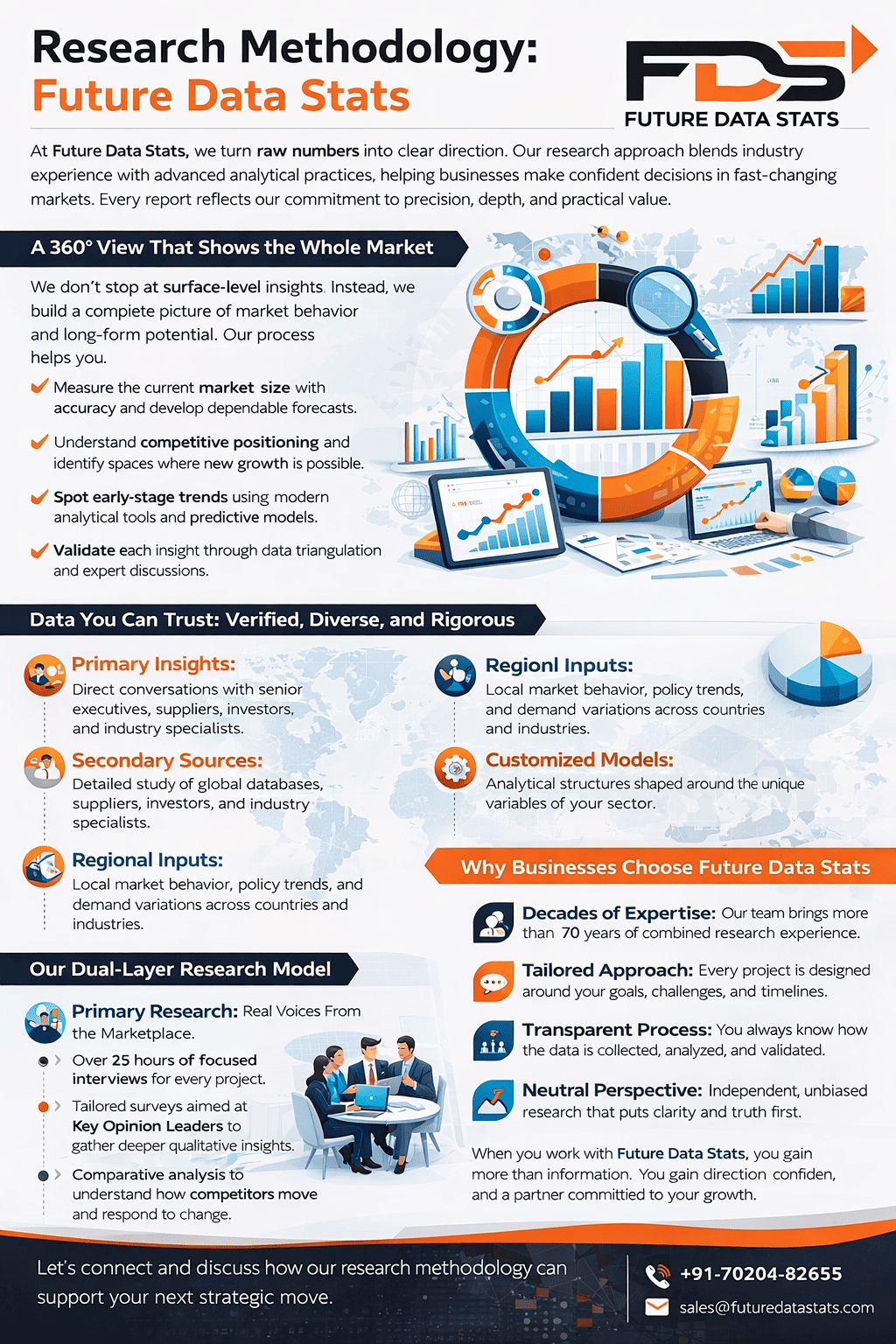
- 3 Research Methodology
- 4 Assumptions & Limitations
Chapter 3: Market Overview
- 1 Market Structure
- 2 Market Evolution
- 3 Value Chain Analysis
- 4 Industry Trends
- 5 Regulatory Landscape
Chapter 4: Market Dynamics
- 1 Market Drivers
- 2 Market Restraints
- 3 Market Opportunities
- 4 Market Challenges
Chapter 5: Hospital Curtains Market Segmentation
- 1 By Product Type
- 1.1 Disposable Hospital Curtains
- 1.2 Reusable Hospital Curtains
- 2 By Material
- 2.1 Polyester
- 2.2 Polypropylene
- 2.3 Blended Fabrics
- 2.4 Other Materials
- 3 By End User
- 3.1 Hospitals
- 3.2 Clinics
- 3.3 Ambulatory Surgical Centers (ASCs)
- 3.4 Long-Term Care & Nursing Facilities
- 4 By Distribution Channel
- 4.1 Direct Sales
- 4.2 Distributors & Wholesalers
- 4.3 Online Sales
Chapter 6: Regional Analysis
- 1 North America
- 2 Europe
- 3 Asia-Pacific
- 4 Latin America
- 5 Middle East & Africa (MEA)
Chapter 7: Competitive Landscape
- 1 Market Share Analysis
- 2 Key Player Strategies
- 3 Company Profiling
- 4 Recent Developments
Chapter 8: Investment & Growth Opportunities
- 1 Market Entry Strategies
- 2 Expansion Opportunities
- 3 Innovation Trends
Chapter 9: Research Methodology
- 1 Primary Research
- 2 Secondary Research
- 3 Data Triangulation
- 4 Forecasting Model
List of Tables
- Table 1: Global Hospital Curtains Market Overview
- Table 2: Market Growth Rate by Product Type
- Table 3: Hospital Curtains Market by Material
- Table 4: End User Demand Analysis
- Table 5: Distribution Channel Share Analysis
- Table 6: Regional Market Revenue Distribution
- Table 7: North America Hospital Curtains Market Breakdown
- Table 8: Europe Hospital Curtains Market Breakdown
- Table 9: Asia-Pacific Hospital Curtains Market Breakdown
- Table 10: Latin America Market Overview
- Table 11: MEA Market Overview
- Table 12: Competitive Market Share Analysis
- Table 13: Key Company Product Portfolio Comparison
- Table 14: Pricing Analysis of Hospital Curtains
- Table 15: Forecast Summary (2026–2035)
List of Figures
- Figure 1: Global Hospital Curtains Market Size & Forecast
- Figure 2: Market Segmentation by Product Type
- Figure 3: Market Segmentation by Material
- Figure 4: Market Segmentation by End User
- Figure 5: Market Segmentation by Distribution Channel
- Figure 6: Regional Market Share Distribution
- Figure 7: North America Market Trend Analysis
- Figure 8: Europe Market Growth Trend
- Figure 9: Asia-Pacific Market Expansion Trend
- Figure 10: Latin America Market Development Overview
- Figure 11: MEA Market Outlook
- Figure 12: Market Drivers and Restraints Impact Analysis
- Figure 13: Value Chain Structure of Hospital Curtains Market
- Figure 14: Competitive Landscape Overview
- Figure 15: Forecast Model Representation (2026–2035)
Hospital Curtains Market Segmentation
By Product Type:
- Disposable Hospital Curtains
- Reusable Hospital Curtains
By Material:
- Polyester
- Polypropylene
- Blended Fabrics
- Other Materials
By End User:
- Hospitals
- Clinics
- Ambulatory Surgical Centers (ASCs)
- Long-Term Care & Nursing Facilities
By Distribution Channel:
- Direct Sales
- Distributors & Wholesalers
- Online Sales
By Geography:
- North America (USA, Canada, Mexico)
- Europe (UK, Germany, France, Italy, Spain, Rest of Europe)
- Asia-Pacific (China, Japan, Australia, South Korea, India, Rest of Asia-Pacific)
- South America (Brazil, Argentina, Rest of South America)
- Middle East and Africa (GCC Countries, South Africa, Rest of MEA)

Hospital Curtains Market Dynamic Factors
Drivers:
- Rising focus on infection prevention increases demand for antimicrobial curtains.
- Expansion of hospitals and healthcare facilities boosts curtain installations.
- Strict patient privacy regulations encourage curtain replacement and upgrades.
Restraints:
- Frequent replacement requirements raise operational costs for healthcare providers.
- Budget constraints in public hospitals limit premium curtain adoption.
- Competition from alternative privacy solutions reduces curtain demand.
Opportunities:
- Growing adoption of disposable curtains creates new revenue streams.
- Development of smart and antimicrobial fabrics enhances product value.
- Emerging healthcare infrastructure projects expand market penetration.
Challenges:
- Maintaining compliance with evolving healthcare safety standards remains complex.
- Managing healthcare waste from disposable curtains increases sustainability concerns.
- Fluctuating raw material prices affect manufacturing profitability.
Hospital Curtains Market Regional Key Trends
North America:
- Hospitals increase use of antimicrobial curtain materials.
- Healthcare facilities adopt disposable curtain systems.
- Providers prioritize rapid curtain replacement solutions.
Europe:
- Healthcare institutions emphasize sustainable curtain products.
- Infection-control regulations support premium curtain demand.
- Hospitals invest in reusable high-performance fabrics.
Asia Pacific:
- Rapid hospital construction drives curtain installations.
- Growing healthcare spending supports product upgrades.
- Manufacturers expand local production capabilities.
Latin America:
- Healthcare modernization boosts curtain replacement projects.
- Private hospitals increase spending on infection-control products.
- Demand grows for cost-effective privacy solutions.
Middle East & Africa:
- New healthcare infrastructure projects stimulate market growth.
- Hospitals adopt advanced privacy and hygiene systems.
- Rising healthcare investments support curtain procurement.
Frequently Asked Questions














