
According to insights from Future Data Stats, the Infrastructure Cyber Resilience market was valued at USD 1.73 billion in 2025. It is expected to grow from USD 1.87 billion in 2026 to USD 3.29 billion by 2033, registering a CAGR of 11% during the forecast period (2026–2033).
MARKET OVERVIEW:
The Infrastructure Cyber Resilience Market empowers organizations to anticipate, withstand, and recover from cyber disruptions while maintaining uninterrupted operations. Businesses deploy advanced security frameworks, adaptive architectures, and incident response strategies to protect critical assets, ensure compliance, and safeguard revenue streams. This market drives proactive risk management, enabling enterprises to convert vulnerabilities into strategic advantages and sustain long-term digital trust.
""Cyber resilience investments drive uptime, protect trust, and speed recovery, transforming security from a cost center into a growth engine globally!""
Organizations leverage cyber resilience solutions to strengthen operational continuity, minimize downtime, and accelerate recovery in increasingly complex digital ecosystems. By integrating automation, analytics, and zero trust principles, enterprises enhance visibility and control across infrastructure layers. The market supports scalable growth, helping companies maintain competitive positioning while confidently navigating evolving cyber threats and regulatory demands.
MARKET DYNAMICS:
Enterprises prioritize resilient infrastructure as threats escalate and regulations tighten, adopting zero trust architectures, automation, and real time monitoring to ensure continuity and rapid recovery across critical systems and services worldwide to meet evolving customer expectations and business demands. ""Cyber resilience investments drive uptime, protect trust, and speed recovery, transforming security from a cost center into a growth engine globally!""
Rising cyberattacks and digital expansion drive demand while budget constraints and legacy systems restrain adoption yet cloud migration partnerships and AI powered security platforms create strong opportunities for scalable resilience solutions across industries for term growth and competitive advantage. ""Cyber resilience investments drive uptime, protect trust, and speed recovery, transforming security from a cost center into a growth engine globally!""
INFRASTRUCTURE CYBER RESILIENCE MARKET SEGMENTATION ANALYSIS
BY TYPE:
Organizations prioritize network, endpoint, and cloud security as cyber threats grow more distributed and sophisticated. Network security dominates due to rising attacks on critical infrastructure, while endpoint protection gains traction with remote workforce expansion. Cloud security accelerates as enterprises migrate workloads to hybrid and multi-cloud environments. Data security and identity & access management strengthen resilience by controlling access and protecting sensitive information. Disaster recovery solutions remain essential as businesses demand rapid system restoration and minimal downtime during cyber incidents.
""Rising attack complexity is shifting investment from reactive security to integrated, proactive resilience frameworks across infrastructure layers globally.""
Application security and IAM solutions gain momentum as enterprises embed security directly into development cycles and access ecosystems. Businesses increasingly adopt zero-trust architectures to reduce vulnerabilities and improve authentication control. Backup and recovery systems evolve with automation and AI-driven monitoring to ensure continuity under ransomware threats. Vendors that deliver unified security platforms with real-time analytics and scalability attract higher enterprise adoption. This segment’s growth reflects the urgent need to secure interconnected infrastructure environments without compromising performance or operational agility.
BY COMPONENT:
Solutions lead the market as organizations invest in advanced platforms that combine detection, prevention, and recovery capabilities. Enterprises demand integrated systems that deliver real-time visibility, automated threat response, and seamless scalability. These solutions reduce operational complexity while strengthening resilience across distributed environments. As cyber risks intensify, companies favor platforms that align with compliance standards and support long-term digital transformation strategies. The push toward centralized security ecosystems continues to drive consistent demand for robust, end-to-end resilience solutions.
""Enterprises increasingly prefer bundled solutions over standalone tools to streamline security operations and improve response time efficiency.""
Services play a crucial role in enabling effective deployment and management of cyber resilience frameworks. Professional services support risk assessment, system integration, and compliance alignment, while managed services provide continuous monitoring and incident response. Organizations lacking in-house expertise rely heavily on service providers to maintain security posture. The growing complexity of cyber threats encourages long-term service contracts, boosting recurring revenue streams. Vendors offering tailored services with industry-specific expertise gain competitive advantage as clients seek customized resilience strategies.
BY DEPLOYMENT MODE:
Cloud-based deployment dominates as enterprises shift toward flexible and scalable infrastructure models. It enables real-time threat monitoring, rapid updates, and cost efficiency, making it highly attractive for dynamic business environments. Hybrid deployment also gains traction, allowing organizations to balance control and flexibility by integrating on-premises systems with cloud platforms. Businesses prioritize deployment strategies that ensure data protection while supporting operational agility, especially in industries managing sensitive information and regulatory requirements.
""Hybrid deployment models are emerging as the preferred choice for balancing security control with scalable digital transformation needs.""
On-premises deployment maintains relevance among sectors requiring strict data sovereignty and regulatory compliance. Financial institutions and government agencies prefer localized control over sensitive data and infrastructure. However, these systems evolve by integrating advanced analytics and automation to stay competitive. Vendors enhance on-premise solutions with modular upgrades and interoperability features to align with modern resilience demands. The deployment landscape continues to shift toward adaptive models that combine security strength with operational efficiency and cost optimization.
BY ORGANIZATION SIZE:
Large enterprises dominate adoption due to their extensive infrastructure and higher exposure to cyber risks. These organizations invest heavily in advanced resilience frameworks to protect complex networks and maintain business continuity. They demand scalable, integrated solutions capable of handling large data volumes and sophisticated threat landscapes. Their focus on compliance and reputation management further accelerates investment in proactive cyber resilience strategies.
""Large enterprises drive innovation in cyber resilience by demanding scalable, integrated, and compliance-driven security architectures.""
Small and medium enterprises (SMEs) show rapid growth as awareness of cyber threats increases. SMEs prioritize cost-effective, easy-to-deploy solutions that deliver strong protection without heavy infrastructure investment. Cloud-based platforms and managed services appeal to this segment due to limited in-house expertise. Vendors targeting SMEs with simplified, subscription-based offerings capture significant market opportunities. The segment’s expansion highlights the growing democratization of advanced cybersecurity capabilities across business sizes.
BY INFRASTRUCTURE TYPE:
Critical infrastructure remains the primary focus due to its vulnerability to high-impact cyberattacks. Energy, transportation, and water systems require robust protection as disruptions can cause large-scale economic and social consequences. Governments and private stakeholders invest in advanced resilience frameworks to safeguard these essential services. The increasing integration of digital technologies into critical systems amplifies the need for continuous monitoring and rapid incident response.
""Critical infrastructure security investments are rising sharply as governments prioritize resilience against high-impact cyber disruptions.""
IT, telecom, financial, and government infrastructures also witness strong demand as they form the backbone of digital economies. Telecom networks require protection against data breaches and service interruptions, while financial systems prioritize transaction security and fraud prevention. Government infrastructure focuses on national security and data sovereignty. Vendors offering sector-specific solutions with high reliability and scalability gain strong traction across these infrastructure segments.
BY APPLICATION:
Threat intelligence and monitoring lead the segment as organizations seek real-time insights into evolving cyber risks. Continuous monitoring systems help detect anomalies early, enabling faster response and minimizing damage. Risk and compliance management also gains importance as businesses align with stringent regulatory frameworks. These applications ensure organizations maintain a proactive stance in identifying vulnerabilities and mitigating potential threats effectively.
""Real-time threat intelligence is becoming the cornerstone of proactive cyber resilience strategies across modern infrastructure systems.""
Incident response and recovery, along with business continuity management, drive long-term resilience by ensuring rapid restoration of operations after attacks. Vulnerability assessment tools support continuous system evaluation, reducing exposure to emerging threats. Organizations prioritize integrated application suites that combine monitoring, response, and recovery capabilities. Vendors delivering AI-driven insights and automation gain a competitive edge by enhancing operational efficiency and reducing response times significantly.
BY END-USER INDUSTRY:
BFSI and government sectors dominate due to high-value data and strict regulatory requirements. These industries invest heavily in advanced cyber resilience solutions to protect sensitive information and maintain trust. Healthcare also shows strong growth as digital patient records and connected systems increase vulnerability. Energy and utilities focus on securing operational technologies to prevent disruptions in essential services.
""Highly regulated industries continue to lead adoption as compliance and data protection remain top strategic priorities globally.""
IT & telecom, manufacturing, transportation, and retail sectors expand rapidly as digital transformation accelerates. These industries require scalable and flexible resilience solutions to secure interconnected systems and supply chains. E-commerce growth further drives demand for secure transaction environments. Vendors offering industry-specific customization and seamless integration capabilities capture significant opportunities across diverse end-user segments.
REGIONAL ANALYSIS:
North America leads the Infrastructure Cyber Resilience Market by driving early adoption of advanced security frameworks, supported by strong regulatory mandates and high cybersecurity spending across critical sectors. Europe follows closely, emphasizing data protection, compliance, and cross-border resilience strategies. Asia Pacific accelerates growth with rapid digital transformation, expanding cloud infrastructure, and increasing government-led cybersecurity initiatives that attract significant enterprise investments.
""Global cyber resilience spending rises as regions prioritize uptime, compliance, and rapid recovery to secure critical infrastructure systems worldwide""
Latin America and the Middle East & Africa steadily expand their market presence by investing in digital infrastructure and strengthening cyber defense capabilities. Governments and enterprises in these regions focus on reducing vulnerabilities and enhancing operational continuity. Growing awareness, foreign investments, and public-private collaborations position these markets as high-potential regions for scalable, revenue-generating cyber resilience solutions.
RECENT DEVELOPMENTS:
- In 28 Jan 2026-CISA released updated cross-sector cyber resilience guidelines for critical infrastructure, mandating real-time threat sharing and automated incident response protocols for energy and water utilities.
- In 15 Dec 2025-The European Commission finalized the Cyber Resilience Act’s implementing rules for infrastructure operators, setting strict conformity assessments for hardware and software used in transport and energy grids.
- In 10 Nov 2025-A coalition of North American grid operators completed a live-fire exercise simulating a coordinated ransomware attack, validating new AI-driven anomaly detection systems across 15 states.
- In 22 Sep 2025-The UK’s National Cyber Security Centre launched a £250 million fund to retrofit legacy operational technology (OT) systems in water and transportation sectors with zero-trust architecture.
- In 05 Aug 2025-The US Department of Defense awarded $1.2 billion in contracts for secure-by-design microelectronics aimed at hardening critical infrastructure control systems against supply chain tampering.
KEY MARKET PLAYERS:
- Lockheed Martin
- BAE Systems
- Northrop Grumman
- Thales Group
- Leonardo S.p.A.
- General Dynamics
- Booz Allen Hamilton
- Raytheon Technologies
- Airbus SE
- Honeywell International Inc.
- Siemens AG
- Schneider Electric
- IBM Corporation
- Cisco Systems, Inc.
- Palo Alto Networks
- Fortinet, Inc.
- CrowdStrike Holdings, Inc.
- Check Point Software Technologies
- Tenable Holdings, Inc.
- Darktrace Holdings
Infrastructure Cyber Resilience Market–Table of Contents
- 1. Introduction
- 1.1 Market Definition
- 1.2 Scope of Study
- 1.3 Research Objectives
- 1.4 Assumptions & Limitations
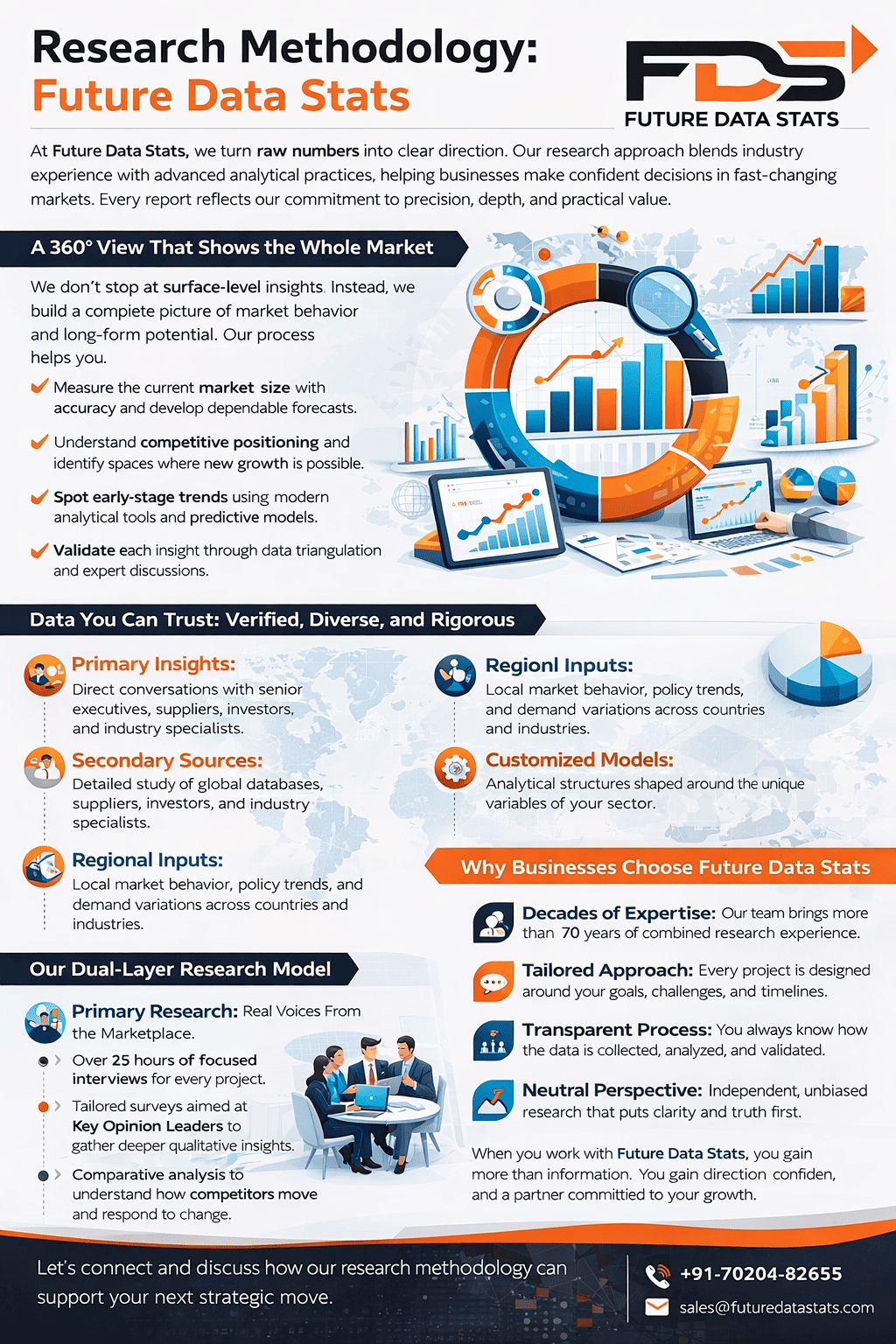
- 2. Research Methodology
- 2.1 Data Collection Approach
- 2.2 Primary Research
- 2.3 Secondary Research
- 2.4 Market Estimation Techniques
- 2.5 Data Validation & Triangulation
- 3. Executive Summary
- 3.1 Market Snapshot
- 3.2 Key Findings
- 3.3 Analyst Insights
- 3.4 Strategic Recommendations
- 4. Market Overview
- 4.1 Market Dynamics
- Drivers
- Restraints
- Opportunities
- Challenges
- 4.2 Value Chain Analysis
- 4.3 Ecosystem Analysis
- 4.4 Regulatory Framework
- 4.5 Technology Landscape
- 4.1 Market Dynamics
- 5. Infrastructure Cyber Resilience Market – By Type
- 5.1 Network Security
- 5.2 Endpoint Security
- 5.3 Application Security
- 5.4 Cloud Security
- 5.5 Data Security
- 5.6 Identity & Access Management (IAM)
- 5.7 Disaster Recovery & Backup Solutions
- 6. Infrastructure Cyber Resilience Market – By Component
- 6.1 Solutions
- 6.2 Services
- 6.2.1 Professional Services
- 6.2.2 Managed Services
- 7. Infrastructure Cyber Resilience Market – By Deployment Mode
- 7.1 On-Premises
- 7.2 Cloud-Based
- 7.3 Hybrid
- 8. Infrastructure Cyber Resilience Market – By Organization Size
- 8.1 Small & Medium Enterprises (SMEs)
- 8.2 Large Enterprises
- 9. Infrastructure Cyber Resilience Market – By Infrastructure Type
- 9.1 Critical Infrastructure
- 9.1.1 Energy & Utilities
- 9.1.2 Transportation Systems
- 9.1.3 Water & Wastewater Systems
- 9.2 IT & Telecom Infrastructure
- 9.3 Financial Infrastructure
- 9.4 Government Infrastructure
- 9.1 Critical Infrastructure
- 10. Infrastructure Cyber Resilience Market – By Application
- 10.1 Threat Intelligence & Monitoring
- 10.2 Risk & Compliance Management
- 10.3 Incident Response & Recovery
- 10.4 Business Continuity Management
- 10.5 Vulnerability Assessment
- 11. Infrastructure Cyber Resilience Market – By End-User Industry
- 11.1 Banking, Financial Services, and Insurance (BFSI)
- 11.2 Government & Defense
- 11.3 IT & Telecommunications
- 11.4 Energy & Utilities
- 11.5 Healthcare
- 11.6 Manufacturing
- 11.7 Transportation & Logistics
- 11.8 Retail & E-commerce
- 12. Infrastructure Cyber Resilience Market – By Region
- 12.1 North America
- U.S.
- Canada
- 12.2 Europe
- Germany
- UK
- France
- Italy
- Spain
- Rest of Europe
- 12.3 Asia Pacific
- China
- India
- Japan
- South Korea
- Southeast Asia
- Rest of Asia Pacific
- 12.4 Latin America
- Brazil
- Mexico
- Rest of Latin America
- 12.5 Middle East & Africa
- GCC Countries
- South Africa
- Rest of Middle East & Africa
- 12.1 North America
- 13. Competitive Landscape
- 13.1 Market Share Analysis
- 13.2 Competitive Benchmarking
- 13.3 Strategic Developments
- Mergers & Acquisitions
- Partnerships
- Product Launches
- 13.4 Company Profiling
- 14. Key Company Profiles
- Overview
- Financials
- Product Portfolio
- Recent Developments
- SWOT Analysis
- 15. Future Outlook & Market Forecast
- 15.1 Market Size & Forecast (2026–2033)
- 15.2 Growth Trends
- 15.3 Emerging Technologies
- 15.4 Investment Opportunities
- 16. Appendix
- 16.1 Abbreviations
- 16.2 References
List of Figures
- Figure 1: Infrastructure Cyber Resilience Market Research Methodology
- Figure 2: Market Dynamics Overview
- Figure 3: Value Chain Analysis
- Figure 4: Market Size Forecast (2026–2033)
- Figure 5: Market Share by Type
- Figure 6: Market Share by Component
- Figure 7: Market Share by Deployment Mode
- Figure 8: Market Share by Organization Size
- Figure 9: Market Share by Infrastructure Type
- Figure 10: Market Share by Application
- Figure 11: Market Share by End-User Industry
- Figure 12: Regional Market Share Analysis
- Figure 13: Competitive Landscape Overview
List of Tables
- Table 1: Market Definition & Scope
- Table 2: Key Assumptions & Limitations
- Table 3: Infrastructure Cyber Resilience Market by Type (2026–2033)
- Table 4: Market by Component (2026–2033)
- Table 5: Market by Deployment Mode (2026–2033)
- Table 6: Market by Organization Size (2026–2033)
- Table 7: Market by Infrastructure Type (2026–2033)
- Table 8: Market by Application (2026–2033)
- Table 9: Market by End-User Industry (2026–2033)
- Table 10: Market by Region (2026–2033)
- Table 11: Regional Breakdown – North America
- Table 12: Regional Breakdown – Europe
- Table 13: Regional Breakdown – Asia Pacific
- Table 14: Regional Breakdown – Latin America
- Table 15: Regional Breakdown – Middle East & Africa
- Table 16: Competitive Benchmarking of Key Players
Infrastructure Cyber Resilience Market Segmentation
By Type:
- Network Security
- Endpoint Security
- Application Security
- Cloud Security
- Data Security
- Identity & Access Management (IAM)
- Disaster Recovery & Backup Solutions
By Component:
- Solutions
- Services
- Professional Services
- Managed Services
By Deployment Mode:
- On-Premises
- Cloud-Based
- Hybrid
By Organization Size:
- Small & Medium Enterprises (SMEs)
- Large Enterprises
By Infrastructure Type:
- Critical Infrastructure
- Energy & Utilities
- Transportation Systems
- Water & Wastewater Systems
- IT & Telecom Infrastructure
- Financial Infrastructure
- Government Infrastructure
By Application:
- Threat Intelligence & Monitoring
- Risk & Compliance Management
- Incident Response & Recovery
- Business Continuity Management
- Vulnerability Assessment
By End-User Industry:
- Banking, Financial Services, and Insurance (BFSI)
- Government & Defense
- IT & Telecommunications
- Energy & Utilities
- Healthcare
- Manufacturing
- Transportation & Logistics
- Retail & E-commerce
By Geography:
- North America (USA, Canada, Mexico)
- Europe (UK, Germany, France, Italy, Spain, Rest of Europe)
- Asia-Pacific (China, Japan, Australia, South Korea, India, Rest of Asia-Pacific)
- South America (Brazil, Argentina, Rest of South America)
- Middle East and Africa (GCC Countries, South Africa, Rest of MEA)
Infrastructure Cyber Resilience Market Dynamic Factors
Drivers:
- Organizations accelerate digital transformation, increasing demand for resilient infrastructure protection.
- Rising frequency of cyberattacks pushes enterprises to invest in proactive defense systems.
- Governments enforce strict compliance regulations, driving adoption of advanced resilience solutions.
Restraints:
- High implementation costs limit adoption among small and mid-sized enterprises.
- Legacy infrastructure slows integration of modern cyber resilience frameworks.
- Shortage of skilled cybersecurity professionals restricts efficient deployment.
Opportunities:
- Cloud adoption creates demand for scalable and flexible resilience solutions.
- AI-driven security tools open new revenue streams for vendors.
- Emerging markets offer untapped growth potential with increasing digital investments.
Challenges:
- Evolving threat landscape makes it difficult to maintain consistent protection.
- Complex multi-layered infrastructures increase management difficulties.
- Data privacy concerns create barriers in cross-border security implementations.
Infrastructure Cyber Resilience Market Regional Key Trends
North America:
- Enterprises adopt zero trust models to strengthen infrastructure security.
- Companies increase investments in AI-powered threat detection systems.
- Strong regulatory frameworks drive continuous innovation in resilience solutions.
Europe:
- Organizations prioritize GDPR-aligned cyber resilience strategies.
- Governments promote cross-border cybersecurity collaboration initiatives.
- Enterprises integrate automation to enhance incident response efficiency.
Asia Pacific:
- Rapid digitalization boosts demand for scalable cyber resilience platforms.
- Governments expand national cybersecurity programs and funding.
- Enterprises adopt cloud-first strategies to enhance infrastructure flexibility.
Latin America:
- Businesses increase cybersecurity budgets amid rising threat exposure.
- Cloud adoption accelerates demand for managed resilience services.
- Regional partnerships support infrastructure security modernization efforts.
Middle East & Africa:
- Governments invest heavily in critical infrastructure protection.
- Smart city projects drive adoption of advanced cyber resilience solutions.
- Organizations focus on improving cyber awareness and workforce training.
Frequently Asked Questions














