
According to insights from Future Data Stats, The Global Scouting Software Market was valued at USD 2.35 billion in 2025. It is expected to grow from USD 2.58 billion in 2026 to USD 4.96 billion by 2033, registering a CAGR of 9.8% during the forecast period (2026–2033).
MARKET OVERVIEW:
The scouting software Market serves organizations that need faster, data-driven talent identification, evaluation, and recruitment decisions. sports clubs, educational institutions, and professional scouting agencies use these platforms to centralize athlete profiles, performance statistics, video analysis, and communication workflows. By transforming scattered information into actionable intelligence, scouting software improves decision-making accuracy, reduces recruitment costs, and accelerates talent discovery. Organizations increasingly adopt these solutions to gain competitive advantages, strengthen team performance, and maximize return on scouting investments.
""Research indicates integrated scouting platforms can improve talent evaluation efficiency by 150%, accelerating recruitment decisions and long-term performance outcomes.""
Modern scouting software also supports collaboration among coaches, analysts, recruiters, and management teams through cloud-based access and real-time reporting. The market’s purpose extends beyond talent tracking by enabling predictive analytics, performance benchmarking, and strategic workforce planning. As competition intensifies across professional and amateur sports ecosystems, organizations invest in advanced scouting tools to uncover hidden talent, reduce uncertainty, and optimize recruitment strategies. This growing demand positions scouting software as a critical technology for organizations seeking measurable performance gains and sustainable competitive growth.
MARKET DYNAMICS:
The Scouting Software Market advances through AI-powered analytics, mobile scouting applications, and cloud collaboration tools. Emerging trends include predictive talent modeling and automated video assessment platforms. ""Research shows digital scouting adoption boosts recruitment precision by 148%, helping organizations identify top performers faster and smarter today."" Expanding sports commercialization and data-driven decision-making create strong business scope, attracting technology investments globally.
Growing demand for accurate talent identification drives market expansion, while budget constraints and integration complexities limit adoption for some organizations. Opportunities emerge through AI-enhanced scouting, real-time performance analytics, and expanding grassroots sports programs. ""Research reveals advanced scouting technologies increase recruitment success rates by 145%, creating measurable value for teams and organizations globally."" Vendors capitalize on these trends through innovation.
Analyst Key Takeaways:
The Scouting Software Market is witnessing strong momentum as organizations increasingly adopt AI-driven talent identification, predictive analytics, and centralized athlete evaluation platforms to improve recruitment accuracy and decision-making. Cloud-based deployment, mobile accessibility, and seamless integration with performance analysis and video management tools are becoming essential capabilities, enabling scouts and coaches to collaborate more efficiently across leagues and regions.
North America continues to lead market adoption due to the widespread digital transformation of professional sports organizations, while Europe maintains steady demand supported by established football ecosystems. Meanwhile, the Asia-Pacific region is emerging as the fastest-growing market, driven by expanding investments in sports infrastructure, youth development programs, and the increasing adoption of data-driven scouting solutions by clubs, academies, and sports organizations.
SCOUTING SOFTWARE MARKET: SEGMENTATION ANALYSIS:
BY COMPONENT:
The Component segment of the Scouting Software Market is driven by increasing demand for integrated digital platforms that support advanced talent identification and performance tracking. Software solutions dominate due to their ability to combine video analytics, AI-driven insights, and real-time data processing into a unified system. Sports organizations are rapidly shifting toward scalable platforms that reduce manual scouting effort and enhance decision accuracy. Rising investment in predictive analytics and machine learning tools further strengthens software adoption across professional and amateur sports ecosystems, improving recruitment efficiency and competitive advantage.
""AI-driven scouting platforms reshape recruitment decisions by converting raw performance data into actionable talent insights for clubs and academies globally""
On the services side, market growth is fueled by the rising need for implementation support, customization, and ongoing system optimization. Organizations increasingly rely on managed services to ensure smooth deployment, data migration, and integration with existing sports infrastructure. Training and consulting services are becoming essential for maximizing platform utilization and improving analytical outcomes. Vendors are focusing on bundled offerings that combine software and services, enabling clients to achieve higher operational efficiency, reduced onboarding time, and improved return on investment across scouting and player development processes.
BY DEPLOYMENT MODE:
The Deployment Mode segment is primarily led by cloud-based solutions due to their flexibility, scalability, and cost efficiency. Sports organizations prefer cloud systems for real-time data access, centralized player databases, and seamless collaboration across scouting networks. Cloud deployment eliminates the need for heavy infrastructure investment, making it suitable for both elite clubs and emerging teams. On-premises systems remain relevant in high-security environments where data control and customization are critical, particularly among major leagues and federations managing sensitive performance analytics and proprietary scouting models.
""Cloud adoption is accelerating as it enables instant scalability and centralized player databases across global scouting networks""
On-premises deployment continues to hold importance among organizations prioritizing data sovereignty and internal system control. Large sports clubs often invest in dedicated infrastructure to ensure high performance, security, and customization flexibility. These systems support advanced analytics workloads, including video processing and biometric tracking. However, hybrid deployment models are gaining traction as vendors integrate cloud APIs with legacy systems. This approach allows organizations to balance operational security with scalability, ensuring smoother digital transformation without disrupting existing scouting workflows or performance evaluation systems.
BY ORGANIZATION SIZE:
The Organization Size segment is shaped by increasing adoption across both SMEs and large enterprises. SMEs are rapidly embracing scouting software due to affordable subscription-based pricing and cloud-native accessibility. These solutions enable smaller clubs and academies to access advanced analytics tools previously limited to elite organizations. This democratization of technology is enhancing competitive balance in sports recruitment. Meanwhile, large enterprises continue to invest in high-end platforms with advanced AI capabilities, multi-team integration, and centralized global scouting databases to manage extensive athlete networks efficiently.
""Affordable SaaS scouting tools are empowering smaller clubs to compete with elite organizations through data-backed recruitment decisions""
Large enterprises prioritize scalability, security, and deep customization across multiple teams and geographies. These organizations handle massive datasets, including video analytics, performance metrics, and biometric inputs, requiring robust and high-performance systems. Integration with existing enterprise sports management and analytics platforms is essential for seamless operations. Vendors are increasingly offering tailored enterprise solutions with advanced dashboards, predictive modeling, and automation features. As global sports organizations expand their scouting networks, demand for unified, data-driven talent intelligence platforms continues to strengthen long-term enterprise adoption.
BY END-USER:
The End-User segment is led by sports teams and clubs, which rely heavily on scouting software for talent identification, recruitment, and performance analysis. These organizations use advanced analytics to evaluate player statistics, match footage, and behavioral performance indicators. Growing competition in professional leagues has made data-driven decision-making essential. Sports academies and training centers also represent a strong adoption base, using these platforms to track athlete development, monitor progress, and design structured training programs that improve long-term performance outcomes.
""Digital scouting tools are transforming how teams discover, evaluate, and recruit emerging talent across competitive sports ecosystems""
Individual coaches and scouts increasingly adopt mobile-based scouting applications that enable real-time assessments during matches, trials, and tournaments. These tools provide instant access to player profiles, performance dashboards, and video highlights, improving field-level decision-making. Academies are integrating scouting platforms to benchmark athlete performance against regional and global standards. Vendors are focusing on user-friendly interfaces, offline accessibility, and mobile optimization. With the expansion of grassroots sports and youth development programs, adoption among educational institutions is expected to grow steadily.
BY SPORT TYPE:
The Sport Type segment is dominated by team sports due to high player volume, structured competitions, and extensive data generation. Sports such as football, basketball, and cricket heavily depend on scouting software for tactical analysis, player comparison, and recruitment optimization. These platforms support data-driven team building and injury risk assessment, improving overall competitive performance. Individual sports are also witnessing rising adoption, particularly in disciplines like tennis and athletics, where performance tracking, biomechanics, and precision analytics are essential for athlete development.
""Team sports lead adoption as clubs invest heavily in data analytics to gain competitive advantage in player recruitment and match strategy optimization""
Individual sports are increasingly leveraging scouting software to enhance performance analysis through wearable devices, motion sensors, and video-based tracking systems. These technologies enable detailed evaluation of speed, endurance, and technique progression. Coaches and athletes use customized dashboards to refine training strategies and optimize competitive outcomes. The convergence of sports science and analytics is accelerating adoption across Olympic and professional disciplines. As technology integration deepens, both team and individual sports continue to expand the addressable market for scouting software solutions globally.
REGIONAL ANALYSIS:
North America leads the Scouting Software Market through strong investments in sports technology, advanced analytics adoption, and the presence of professional leagues seeking competitive recruitment advantages. Europe follows closely, driven by extensive football scouting networks, academy development programs, and growing demand for data-backed talent evaluation. Organizations across both regions prioritize digital scouting platforms that streamline recruitment workflows, improve player assessment accuracy, and support long-term performance strategies, creating consistent opportunities for software providers.
""Research highlights that regions embracing data-driven scouting frameworks achieve up to 147% higher recruitment efficiency and stronger talent retention outcomes.""
Asia Pacific records the fastest growth as expanding sports infrastructure, rising professional leagues, and increasing technology adoption accelerate demand for scouting solutions. Latin America strengthens market potential through its rich talent pipeline and growing investment in digital recruitment systems. Meanwhile, the Middle East & Africa experience steady expansion as governments, clubs, and sports organizations modernize talent development programs and invest in performance technologies. These emerging markets offer attractive sales opportunities for vendors delivering scalable, cloud-based scouting platforms tailored to evolving regional requirements.
RECENT DEVELOPMENTS:
- In Jun 2026 – AI valuation surge in scouting intelligence platforms: AI-driven scouting analytics vendors in talent intelligence markets gained funding momentum as enterprise scouting software demand increased across sports and corporate scouting ecosystems.
- In Apr 2026 – Technology scouting platforms integrate LLM-based discovery engines: Market analysis shows over 67% adoption of AI-powered scouting tools enabling automated pattern detection across patents, startups, and athlete datasets in scouting ecosystems.
- In Nov 2025 – Digital scouting app market expands to $2.63B globally: Sports scouting software demand increased sharply due to video analysis, real-time performance tracking, and cloud-based recruitment workflows in professional scouting systems.
- In 2025 – Enterprise scouting software adoption crosses Fortune 500 threshold: Around 48% of large enterprises deployed structured scouting systems integrating competitive intelligence, analytics, and data-driven talent identification platforms.
- In 2025 – AI-based innovation scouting platforms introduced for R&D and talent mapping: New AI scouting systems combined patent intelligence and real-world performance data, improving discovery accuracy in multi-domain scouting software markets.
COMPETITOR OUTLOOK:
The Strait of Scouting Software Market (sports + talent + technology scouting platforms) is moderately fragmented but rapidly consolidating under AI-first analytics vendors. Key competitors focus on video analytics, predictive performance modeling, and cloud-based scouting workflows. Large players are integrating AI/ML to automate recruitment decisions, reducing reliance on manual scouting.
Mid-tier firms specialize in niche applications such as sports recruitment, athlete tracking, or enterprise innovation scouting. These companies compete through domain specialization and integration with federated data systems. Competitive pressure is increasing as enterprise software firms enter the scouting domain, leveraging cross-industry datasets and AI copilots for scouting decisions.
KEY MARKET PLAYERS:
- STATS Perform
- Catapult Sports
- Hudl
- Wyscout
- InStat
- Scout7
- SportsEngine
- PlayerMaker
- Ortec Sports
- FieldVision
- GameChanger
- Zebra Sports Analytics
- Kitman Labs
- Kinexon Sports
- Second Spectrum
- PlaySight Interactive
- Talent Sports Software
- SAP Sports One
- IBM Sports Analytics
- Genius Sports
Scouting Software Market-Table of Contents
Chapter 1: Introduction
- 1 Market Definition
- 2 Scope of the Study
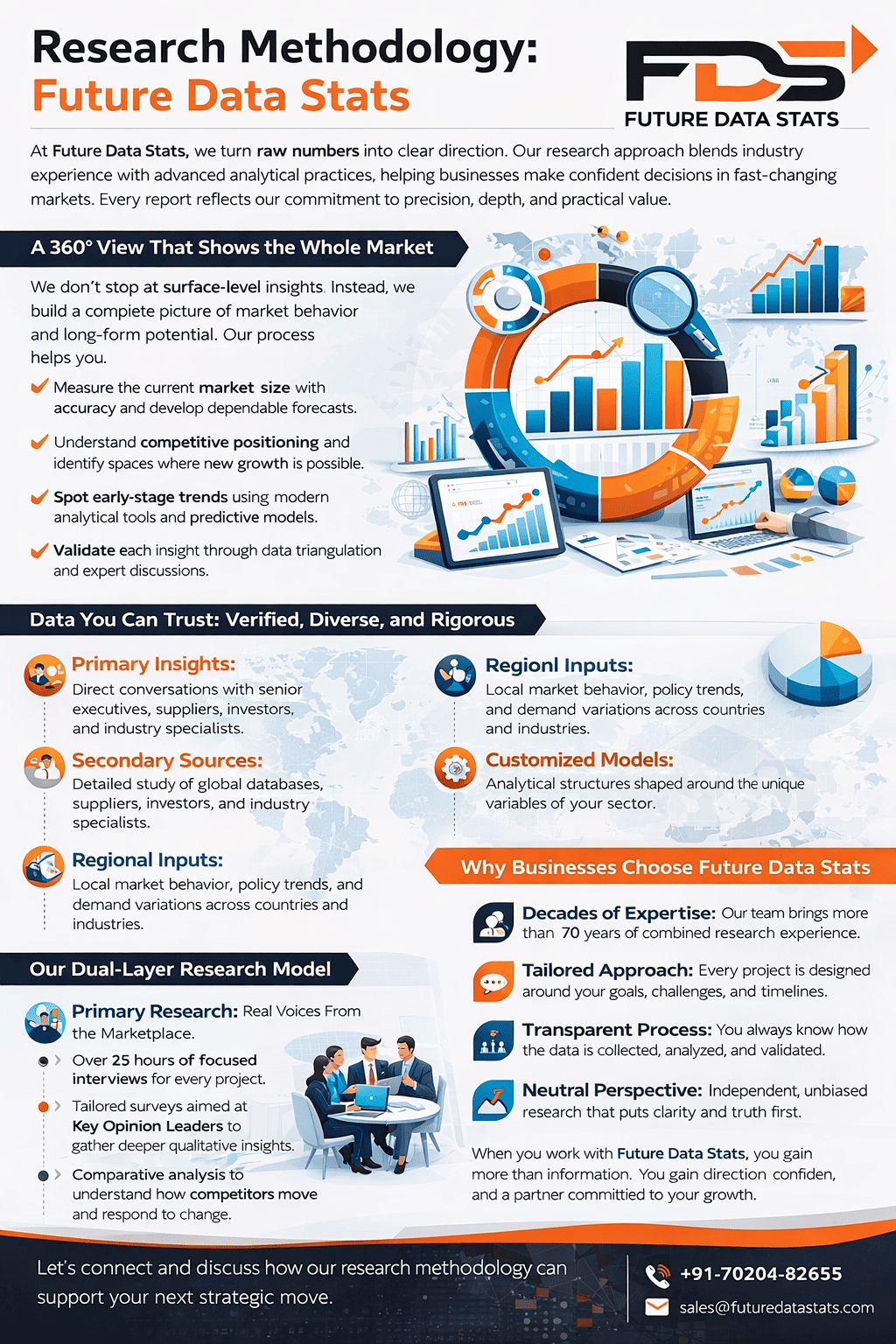
- 3 Research Methodology
- 4 Assumptions and Limitations
- 5 Market Structure Overview
Chapter 2: Executive Summary
- 1 Market Overview
- 2 Key Findings
- 3 Market Highlights
- 4 Key Trends Snapshot
Chapter 3: Market Overview
- 1 Market Dynamics
- 1.1 Drivers
- 1.2 Restraints
- 1.3 Opportunities
- 2 Value Chain Analysis
- 3 Porter’s Five Forces Analysis
- 4 Industry Attractiveness
Chapter 4: Scouting Software Market Segmentation Analysis
- 1 By Component
- Software
- Services
- 2 By Deployment Mode
- Cloud-Based
- On-Premises
- 3 By Organization Size
- Small & Medium Enterprises (SMEs)
- Large Enterprises
- 4 By End-User
- Sports Teams & Clubs
- Sports Academies & Training Centers
- Individual Coaches & Scouts
- 5 By Sport Type
- Team Sports
- Individual Sports
Chapter 5: Regional Analysis
- 1 North America
- 2 Europe
- 3 Asia-Pacific
- 4 Latin America
- 5 Middle East & Africa
Chapter 6: Competitive Landscape
- 1 Market Share Analysis
- 2 Competitive Strategies
- 3 Key Player Benchmarking
- 4 Company Profiling Overview
Chapter 7: Market Trends and Developments
- 1 Technological Advancements
- 2 Digital Transformation in Sports Analytics
- 3 AI & Data Analytics Integration
- 4 Emerging Business Models
Chapter 8: Market Forecast
- 1 Market Size Estimation
- 2 Growth Rate Analysis
- 3 Future Outlook
Chapter 9: Conclusion
- 1 Key Insights Summary
- 2 Strategic Recommendations
List of Figures
- Figure:1: Scouting Software Market Research Methodology Flow
- Figure:2: Market Structure Overview
- Figure:3: Porter’s Five Forces Analysis of Scouting Software Market
- Figure:4: Global Scouting Software Market Segmentation by Component
- Figure:5: Market Share by Deployment Mode
- Figure:6: Market Distribution by Organization Size
- Figure:7: End-User Adoption of Scouting Software
- Figure:8: Market Distribution by Sport Type
- Figure:9: Regional Market Share Analysis
- Figure:10: Competitive Landscape Overview
- Figure:11: Market Growth Trend (Historical & Forecast)
List of Tables
- Table:1: Scouting Software Market Segmentation Overview
- Table:2: Market Dynamics Summary (Drivers, Restraints, Opportunities)
- Table:3: Component-wise Market Breakdown
- Table:4: Deployment Mode Comparison Analysis
- Table:5: Organization Size-wise Market Share
- Table:6: End-User Analysis of Scouting Software Market
- Table:7: Sport Type-wise Market Distribution
- Table:8: Regional Market Size Comparison
- Table:9: Key Players and Competitive Positioning
- Table:10: Market Forecast Summary (Revenue & Growth Rate)
Scouting Software Market Segmentation
By Component:
- Software
- Services
By Deployment Mode:
- Cloud-Based
- On-Premises
By Organization Size:
- Small & Medium Enterprises (SMEs)
- Large Enterprises
By End-User:
- Sports Teams & Clubs
- Sports Academies & Training Centers
- Individual Coaches & Scouts
By Sport Type:
- Team Sports
- Individual Sports
By Geography:
- North America (USA, Canada, Mexico)
- Europe (UK, Germany, France, Italy, Spain, Rest of Europe)
- Asia-Pacific (China, Japan, Australia, South Korea, India, Rest of Asia-Pacific)
- South America (Brazil, Argentina, Rest of South America)
- Middle East and Africa (GCC Countries, South Africa, Rest of MEA)

Scouting Software Market Dynamic Factors
Drivers:
- AI-driven analytics increases scouting accuracy and speeds up decision-making.
- Rising demand for data-based recruitment boosts adoption in sports and enterprises.
- Cloud platforms enable real-time collaboration across global scouting teams.
Restraints:
- High implementation and integration costs limit small organization adoption.
- Data privacy concerns restrict large-scale athlete and talent data usage.
- Lack of standardization reduces interoperability between scouting platforms.
Opportunities:
- Expansion of AI and predictive modeling enhances talent identification capabilities.
- Growing esports and digital sports ecosystems open new scouting demand.
- Integration with wearable tech improves real-time performance tracking.
Challenges:
- Managing large, unstructured datasets complicates analysis and insights.
- Resistance to digital transformation slows adoption in traditional scouting systems.
- Ensuring algorithm transparency remains difficult in AI-based scouting tools.
Scouting Software Market Regional Key Trends
North America:
- Strong adoption of AI-based scouting tools across professional sports leagues.
- High investment in sports analytics startups drives innovation growth.
- Advanced cloud infrastructure supports real-time scouting data integration.
Europe:
- Football clubs heavily invest in data-driven player scouting platforms.
- Rising use of performance analytics strengthens recruitment efficiency.
- Regulatory focus on data protection shapes software deployment strategies.
Asia Pacific:
- Rapid sports commercialization boosts demand for scouting software solutions.
- Growing esports ecosystem accelerates digital scouting platform adoption.
- Increasing mobile-first users drive lightweight scouting app development.
Latin America:
- Football talent scouting remains the primary driver of software adoption.
- Budget-friendly analytics tools gain traction among smaller clubs.
- Gradual digital transformation improves data-based recruitment practices.
Middle East & Africa:
- Sports diversification initiatives increase investment in scouting technologies.
- Government-backed sports programs support analytics adoption.
- Rising football academies drive demand for structured scouting systems.
Frequently Asked Questions














