
According to insights from Future Data Stats, the Smart Shipping Market was valued at USD 21.0 billion in 2025. It is expected to grow from USD 26.6 billion in 2026 to USD 87.2 billion by 2033, registering a CAGR of 19.5% during the forecast period (2026–2033).
MARKET OVERVIEW:
The Smart Shipping Market focuses on transforming traditional logistics into intelligent, data-driven ecosystems that improve speed, accuracy, and cost efficiency. Companies use advanced technologies like AI, IoT, and automation to monitor shipments, optimize routes, and reduce operational risks. This market empowers businesses to deliver faster, enhance customer satisfaction, and gain a competitive edge in global trade.
""Smart shipping boosts ROI through real time data, automation, and predictive insights, enabling faster decisions, lower costs, and scalable growth now""
Smart shipping also enables real-time decision-making and predictive planning, helping organizations anticipate disruptions and respond proactively. Its purpose extends beyond transportation by creating seamless, transparent supply chains that drive profitability. Businesses adopting smart shipping solutions position themselves for scalable growth, improved resilience, and stronger market presence in an increasingly digital logistics landscape.
MARKET DYNAMICS:
Smart shipping advances as firms adopt AI tracking, IoT sensors, and autonomous vessels to optimize routes and cut costs while improving visibility and sustainability. ""Smart shipping boosts ROI through real time data, automation, and predictive insights, enabling faster decisions, lower costs, and scalable growth now"" Early adopters gain efficiency, unlock revenue, and scale confidently in competitive global logistics markets fast.
Smart shipping growth accelerates due to rising demand for efficiency, regulatory pressure for sustainability, and rapid digitization across supply chains. High upfront costs and integration challenges restrain adoption, yet strong opportunities emerge in analytics, automation, and platform ecosystems. ""Smart shipping boosts ROI through real time data, automation, and predictive insights, enabling faster decisions, lower costs, and scalable growth now"" Leaders.
SMART SHIPPING MARKET SEGMENTATION ANALYSIS
BY TYPE:
Smart Ports and Smart Vessels lead adoption as companies prioritize efficiency, automation, and real-time visibility across maritime operations. Smart ports integrate digital infrastructure, enabling seamless cargo handling, reduced turnaround times, and optimized resource allocation. Meanwhile, smart vessels leverage connected systems to enhance navigation, fuel efficiency, and compliance. Businesses increasingly invest in these solutions to strengthen supply chain performance, reduce costs, and improve operational transparency, making them dominant segments driving immediate returns and long-term scalability in competitive global shipping environments today.
""Smart shipping technologies enhance operational efficiency, reduce delays, and enable data-driven decisions, driving faster ROI and long-term logistics transformation globally""
Smart Fleet Management, Smart Cargo Tracking Systems, and Autonomous Ships are rapidly gaining traction as companies push for end-to-end visibility and automation. Fleet management tools optimize routes and fuel usage, while cargo tracking systems ensure real-time monitoring and improved security. Autonomous ships represent the next frontier, reducing human dependency and increasing precision. These segments attract strong investment as they promise higher efficiency, reduced operational risks, and scalable logistics solutions, positioning businesses to capitalize on evolving digital shipping ecosystems and future-ready maritime innovations worldwide.
BY APPLICATION:
Fleet Management and Cargo & Container Tracking dominate applications as companies demand precise control over logistics operations and asset utilization. These applications enable real-time monitoring, route optimization, and cost reduction while improving delivery accuracy. Businesses adopt these solutions to enhance operational efficiency and customer satisfaction. Strong demand for transparency and faster shipping cycles drives adoption, making these applications essential for companies seeking to gain competitive advantage and scale operations effectively in increasingly complex global supply chain networks with measurable performance improvements.
""Advanced shipping applications enable real-time monitoring and predictive insights, helping companies cut costs, improve delivery speed, and strengthen customer trust globally""
Vessel Traffic Management, Port Management, Navigation, Predictive Maintenance, and Maritime Safety applications are expanding rapidly as organizations focus on risk reduction and operational resilience. These solutions improve traffic coordination, minimize delays, and enhance safety standards. Predictive maintenance reduces downtime by identifying issues before failure occurs, while navigation systems optimize routes for efficiency. Companies investing in these applications strengthen reliability and compliance, unlocking higher profitability and ensuring smooth operations in high-demand shipping environments driven by increasing trade volumes and digital transformation initiatives.
BY COMPONENT:
Hardware components such as sensors, RFID devices, GPS systems, and communication equipment form the backbone of smart shipping infrastructure. These tools enable accurate data collection, real-time tracking, and seamless connectivity across fleets and ports. Companies prioritize hardware investments to establish reliable monitoring systems that support automation and analytics. Strong demand for visibility and control drives this segment, as businesses seek to reduce inefficiencies and improve operational precision through robust physical infrastructure that supports scalable and high-performance shipping ecosystems across global trade networks.
""Integrated hardware and software solutions enable seamless data flow, improving tracking accuracy, operational efficiency, and decision-making across global shipping ecosystems today""
Software solutions, including fleet management platforms, analytics systems, and navigation tools, drive intelligence and decision-making in smart shipping. These systems process vast amounts of data to optimize operations, predict trends, and enhance performance. Services such as consulting, integration, and maintenance further support implementation and scalability. Companies invest heavily in software and services to maximize returns from hardware infrastructure, enabling smarter operations, improved coordination, and continuous innovation that strengthens competitive positioning and accelerates digital transformation in modern maritime logistics environments.
BY TECHNOLOGY:
Internet of Things and Artificial Intelligence dominate the technology landscape by enabling real-time connectivity and intelligent decision-making. IoT devices collect critical data across vessels and ports, while AI processes this data to optimize routes, predict disruptions, and enhance efficiency. Companies leverage these technologies to improve visibility, reduce costs, and increase operational agility. Their combined impact drives rapid adoption, making them essential for organizations aiming to modernize shipping operations and gain a strong competitive advantage in a data-driven global logistics ecosystem.
""Emerging technologies like AI and IoT transform shipping by enabling automation, predictive insights, and real-time optimization across complex maritime operations globally""
Big Data Analytics, Blockchain, Cloud Computing, Machine Learning, and Automation technologies expand capabilities by enhancing transparency, scalability, and security. Blockchain improves transaction trust and traceability, while cloud platforms enable seamless data access. Automation and robotics streamline operations, reducing manual intervention. Businesses adopting these technologies unlock new efficiencies and innovation opportunities, positioning themselves for long-term growth. This segment continues to attract investment as companies seek advanced solutions to address evolving logistics challenges and capitalize on digital transformation trends shaping the shipping industry.
BY END-USER:
Commercial shipping companies and logistics providers dominate adoption as they seek to optimize supply chain performance and reduce operational costs. These users rely on smart shipping solutions to improve fleet efficiency, enhance cargo visibility, and streamline logistics processes. Increasing global trade and customer expectations drive demand for faster and more reliable shipping services. Companies investing in smart technologies gain measurable benefits, including improved delivery accuracy and reduced risks, strengthening their market position and enabling scalable growth in competitive logistics environments worldwide.
""End users adopting smart shipping solutions gain faster operations, improved visibility, and scalable growth, strengthening their competitive edge in global logistics markets""
Defense and naval forces, along with port authorities, represent critical segments focused on security, surveillance, and infrastructure optimization. These users deploy advanced technologies to enhance maritime safety, monitor activities, and manage port operations efficiently. Investments in smart systems improve coordination, reduce risks, and ensure compliance with regulations. This segment continues to grow as governments and authorities prioritize modernization, creating strong opportunities for technology providers to deliver innovative solutions that support secure, efficient, and future-ready maritime operations globally.
REGIONAL ANALYSIS:
North America and Europe lead the Smart Shipping Market by aggressively investing in advanced logistics technologies and digital infrastructure. Companies across the United States, Canada, Germany, and the UK actively deploy AI-driven fleet management and smart port systems to enhance operational efficiency and sustainability. Strong regulatory frameworks and innovation ecosystems accelerate adoption, allowing businesses to capture higher margins and improve delivery precision in competitive markets.
""Smart shipping adoption rises globally as regions invest in automation, digital ports, and data systems to improve efficiency, cut costs, and boost trade resilience""
Asia Pacific dominates growth momentum as China, Japan, South Korea, and India expand maritime trade and integrate smart technologies into large-scale shipping networks. Latin America and the Middle East & Africa steadily advance through infrastructure modernization and strategic partnerships, unlocking untapped logistics potential. These regions offer high-growth opportunities for investors aiming to scale operations and penetrate emerging digital shipping ecosystems.
RECENT DEVELOPMENTS:
- In January 2025 – International Maritime Organization (IMO) adopted new cybersecurity code mandating real-time threat monitoring for all smart ships over 5,000 GT entering EU ports.
- In March 2025 – Mitsubishi Shipbuilding launched first LNG-fueled autonomous coastal carrier with AI collision avoidance, completing 500 nautical miles unmanned.
- In June 2025 – Rolls-Royce and Google Cloud deployed predictive maintenance platform using digital twin tech across 200 merchant vessels, cutting downtime by 30%.
- In September 2025 – China’s Maritime Safety Administration approved remote control zones for smart ships along Yangtze River, enabling shore-based navigation for cargo vessels.
- In February 2026 – Norway’s Yara Birkeland 2, a fully electric autonomous container ship, began regular operations between Oslo and Brevik with zero onboard crew.
KEY MARKET PLAYERS:
- Kongsberg Gruppen
- Wärtsilä
- Rolls-Royce Holdings
- ABB Marine
- Siemens AG
- General Electric Marine
- Hyundai Heavy Industries
- Samsung Heavy Industries
- Mitsubishi Shipbuilding
- Nippon Yusen Kabushiki Kaisha (NYK Line)
- Maersk
- Mitsui O.S.K. Lines
- China State Shipbuilding Corporation
- DNV GL
- Lloyd’s Register
- Marlink
- Navis (a Cargotec brand)
- Raytheon Anschütz
- Furuno Electric Co.
- OceanAlpha (autonomous vessels)
Smart Shipping Market-Table of Contents
Chapter 1: Introduction
- 1.1 Market Definition
- 1.2 Market Scope
- 1.3 Research Objectives
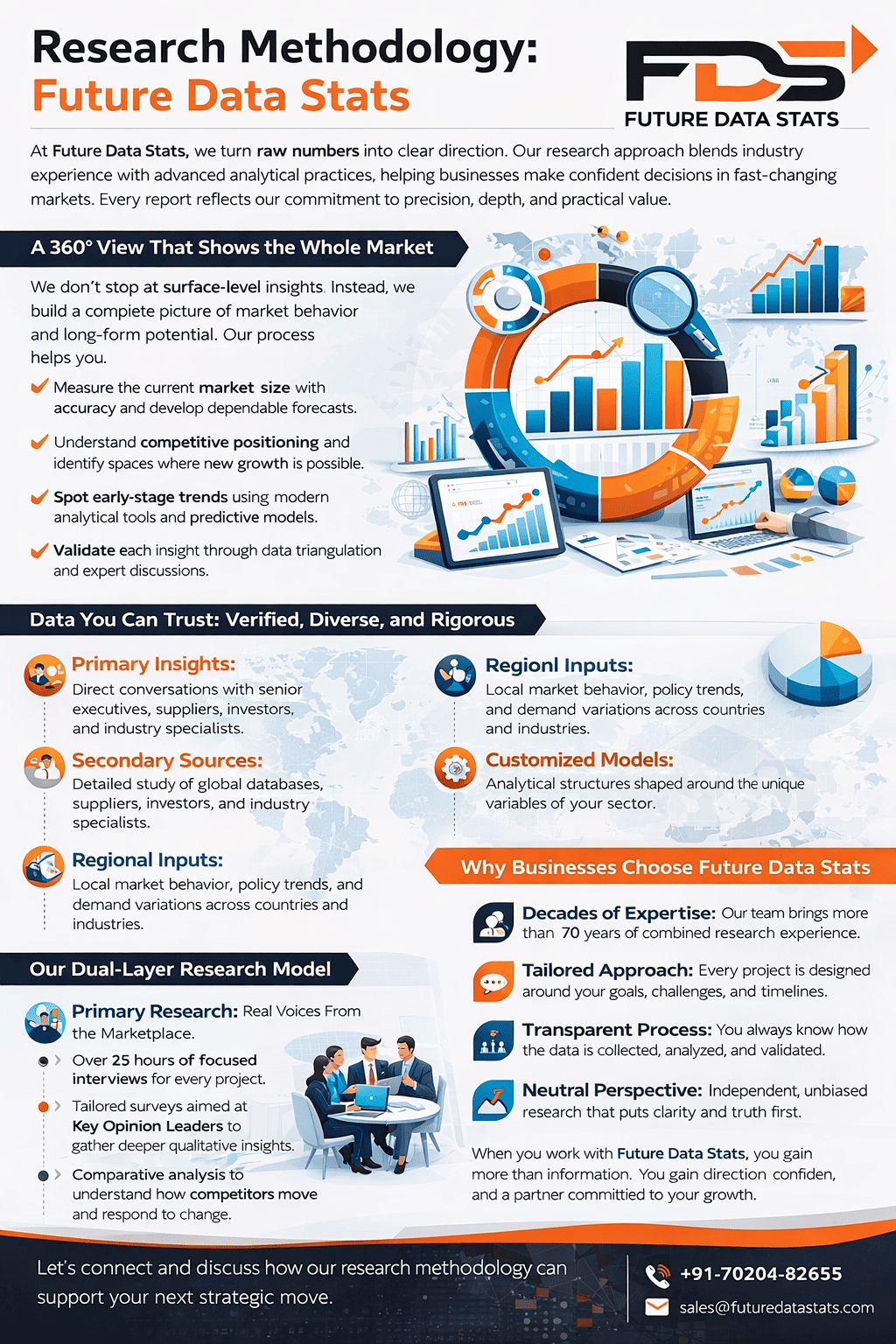
- 1.4 Research Methodology
- 1.4.1 Data Collection Methods
- 1.4.2 Primary Research
- 1.4.3 Secondary Research
- 1.4.4 Data Validation & Triangulation
- 1.5 Assumptions & Limitations
Chapter 2: Executive Summary
- 2.1 Market Snapshot
- 2.2 Key Findings
- 2.3 Market Highlights by Segment
- 2.4 Analyst Insights
- 2.5 Future Outlook
Chapter 3: Market Overview
- 3.1 Market Dynamics
- 3.1.1 Drivers
- 3.1.2 Restraints
- 3.1.3 Opportunities
- 3.1.4 Challenges
- 3.2 Value Chain Analysis
- 3.3 Supply Chain Analysis
- 3.4 Technology Trends
- 3.5 Regulatory Framework
- 3.6 Industry Ecosystem Analysis
Chapter 4: Smart Shipping Market – By Type
- 4.1 Overview
- 4.2 Smart Ports
- 4.3 Smart Vessels
- 4.4 Smart Fleet Management
- 4.5 Smart Cargo Tracking Systems
- 4.6 Autonomous Ships
Chapter 5: Smart Shipping Market – By Application
- 5.1 Overview
- 5.2 Fleet Management
- 5.3 Vessel Traffic Management
- 5.4 Port Management
- 5.5 Cargo & Container Tracking
- 5.6 Navigation & Route Optimization
- 5.7 Predictive Maintenance
- 5.8 Maritime Safety & Security
Chapter 6: Smart Shipping Market – By Component
- 6.1 Overview
- 6.2 Hardware
- 6.2.1 Sensors
- 6.2.2 RFID Devices
- 6.2.3 GPS Systems
- 6.2.4 Communication Devices
- 6.3 Software
- 6.3.1 Fleet Management Software
- 6.3.2 Analytics Platforms
- 6.3.3 Navigation Systems
- 6.4 Services
- 6.4.1 Consulting
- 6.4.2 Integration & Deployment
- 6.4.3 Maintenance & Support
Chapter 7: Smart Shipping Market – By Technology
- 7.1 Overview
- 7.2 Internet of Things (IoT)
- 7.3 Artificial Intelligence (AI)
- 7.4 Big Data Analytics
- 7.5 Blockchain
- 7.6 Cloud Computing
- 7.7 Machine Learning
- 7.8 Automation & Robotics
Chapter 8: Smart Shipping Market – By End-User
- 8.1 Overview
- 8.2 Commercial Shipping Companies
- 8.3 Defense & Naval Forces
- 8.4 Port Authorities
- 8.5 Logistics & Transportation Companies
- 8.6 Oil & Gas Marine Operators
Chapter 9: Smart Shipping Market – By Vessel Type
- 9.1 Overview
- 9.2 Cargo Ships
- 9.3 Tankers
- 9.4 Container Ships
- 9.5 Passenger Ships
- 9.6 Naval Ships
Chapter 10: Smart Shipping Market – By Geography
- 10.1 Overview
- 10.2 North America
- 10.2.1 United States
- 10.2.2 Canada
- 10.3 Europe
- 10.3.1 United Kingdom
- 10.3.2 Germany
- 10.3.3 France
- 10.3.4 Norway
- 10.4 Asia-Pacific
- 10.4.1 China
- 10.4.2 Japan
- 10.4.3 India
- 10.4.4 South Korea
- 10.5 Middle East & Africa
- 10.6 Latin America
Chapter 11: Competitive Landscape
- 11.1 Market Share Analysis
- 11.2 Company Benchmarking
- 11.3 Competitive Strategies
- 11.3.1 Mergers & Acquisitions
- 11.3.2 Partnerships & Collaborations
- 11.3.3 Product Launches
- 11.4 Key Player Profiles
Chapter 12: Company Profiles
- 12.1 Overview
- 12.2 Financial Performance
- 12.3 Product Portfolio
- 12.4 Strategic Initiatives
- 12.5 SWOT Analysis
Chapter 13: Future Outlook & Forecast
- 13.1 Market Forecast (2026–2035)
- 13.2 Growth Opportunities
- 13.3 Emerging Trends
- 13.4 Strategic Recommendations
List of Figures
- Figure 1: Smart Shipping Market Segmentation Overview
- Figure 2: Market Research Methodology Flowchart
- Figure 3: Market Dynamics Framework
- Figure 4: Value Chain Analysis
- Figure 5: Supply Chain Analysis
- Figure 6: Technology Adoption Trends
- Figure 7: Market Size by Type
- Figure 8: Market Size by Application
- Figure 9: Market Size by Component
- Figure 10: Market Size by Technology
- Figure 11: Market Size by End-User
- Figure 12: Market Size by Vessel Type
- Figure 13: Regional Market Share
- Figure 14: Competitive Landscape Overview
- Figure 15: Growth Forecast (2026–2035)
List of Tables
- Table 1: Market Definition & Scope
- Table 2: Key Assumptions
- Table 3: Smart Shipping Market Size (Historical)
- Table 4: Market Size by Type
- Table 5: Market Size by Application
- Table 6: Market Size by Component
- Table 7: Market Size by Technology
- Table 8: Market Size by End-User
- Table 9: Market Size by Vessel Type
- Table 10: Market Size by Region
- Table 11: Regional Growth Rates
- Table 12: Competitive Benchmarking
- Table 13: Company Financials
- Table 14: Market Forecast (2026–2035)
Smart Shipping Market Segmentation
By Type:
- Smart Ports
- Smart Vessels
- Smart Fleet Management
- Smart Cargo Tracking Systems
- Autonomous Ships
By Application:
- Fleet Management
- Vessel Traffic Management
- Port Management
- Cargo & Container Tracking
- Navigation & Route Optimization
- Predictive Maintenance
- Maritime Safety & Security
By Component:
- Hardware
- Sensors
- RFID Devices
- GPS Systems
- Communication Devices
- Software
- Fleet Management Software
- Analytics Platforms
- Navigation Systems
- Services
- Consulting
- Integration & Deployment
- Maintenance & Support
By Technology:
- Internet of Things (IoT)
- Artificial Intelligence (AI)
- Big Data Analytics
- Blockchain
- Cloud Computing
- Machine Learning
- Automation & Robotics
By End-User:
- Commercial Shipping Companies
- Defense & Naval Forces
- Port Authorities
- Logistics & Transportation Companies
By Vessel Type:
- Cargo Ships
- Tankers
- Container Ships
- Passenger Ships
- Naval Ships
By Geography:
- North America (USA, Canada, Mexico)
- Europe (UK, Germany, France, Italy, Spain, Rest of Europe)
- Asia-Pacific (China, Japan, Australia, South Korea, India, Rest of Asia-Pacific)
- South America (Brazil, Argentina, Rest of South America)
- Middle East and Africa (GCC Countries, South Africa, Rest of MEA)
Smart Shipping Market Dynamic Factors
Drivers:
- Companies adopt AI and IoT to improve real-time tracking and efficiency.
- Rising global trade pushes demand for faster, smarter logistics solutions.
- Firms invest in automation to reduce operational costs and human error.
Restraints:
- High initial investment limits adoption among small and mid-sized firms.
- Integration with legacy systems slows digital transformation efforts.
- Data security concerns create hesitation in deploying connected solutions.
Opportunities:
- Emerging markets open new avenues for smart port and fleet expansion.
- Advanced analytics enables predictive maintenance and route optimization.
- Partnerships drive innovation across shipping, tech, and logistics sectors.
Challenges:
- Lack of standardized systems complicates global implementation.
- Skilled workforce shortages delay technology adoption and scaling.
- Regulatory variations across regions create operational complexity.
Smart Shipping Market Regional Key Trends
North America:
- Companies deploy autonomous vessels and smart fleet systems.
- Ports invest in digital twins and AI-based traffic management.
- Firms prioritize sustainability through emission-reducing technologies.
Europe:
- Governments enforce strict green shipping regulations.
- Companies adopt smart port infrastructure for efficiency gains.
- Strong focus on decarbonization and energy-efficient vessels.
Asia Pacific:
- Rapid port modernization supports growing trade volumes.
- Companies integrate IoT for real-time cargo monitoring.
- Major economies scale digital shipping ecosystems aggressively.
Latin America:
- Ports upgrade infrastructure with smart logistics solutions.
- Companies expand regional trade through digital platforms.
- Increasing adoption of tracking systems improves transparency.
Middle East & Africa:
- Investments rise in smart ports and maritime hubs.
- Governments support digital transformation in logistics sectors.
- Companies adopt automation to enhance operational efficiency.
Frequently Asked Questions














