
According to insights from Future Data Stats, the Smart Soldier Systems Market was valued at USD 3.73 billion in 2025. It is expected to grow from USD 3.98 billion in 2026 to USD 6.29 billion by 2033, registering a CAGR of 6.8% during the forecast period (2026–2033).
MARKET OVERVIEW:
The Smart Soldier Systems Market aims to enhance soldier efficiency, survivability, and situational awareness through integrated wearable technologies, advanced sensors, and communication networks. These systems empower armed forces to make rapid, informed decisions, optimize mission outcomes, and maintain operational superiority in complex environments. Defense agencies increasingly adopt these solutions to modernize troops and gain a strategic edge.
""Smart Soldier Systems enable real-time battlefield insights, boosting soldier performance and mission success rates.""
By combining wearable devices, exoskeletons, and AI-driven analytics, smart soldier systems transform traditional combat strategies. They provide real-time health monitoring, threat detection, and automated decision support, reducing risk and enhancing operational effectiveness. Militaries leveraging these systems gain a measurable advantage in responsiveness, endurance, and tactical execution, driving rapid adoption worldwide.
MARKET DYNAMICS:
Smart Soldier Systems increasingly integrate AI, IoT, and augmented reality to create fully connected combat platforms, with upcoming trends focusing on autonomous decision support and enhanced wearable ergonomics. “Next-gen smart soldier solutions fuse AI, AR, and wearables for unmatched operational efficiency.” Growing defense budgets and global modernization programs expand the business scope, attracting innovation and commercial partnerships across regions.
Advanced sensors, tactical communication tools, and wearable exoskeletons drive market growth, while high costs and integration complexity pose challenges. “Rising demand for soldier survivability sparks investments in smart wearable combat tech.” Opportunities emerge in AI analytics, cyber-resilient systems, and multi-platform interoperability, offering defense companies a lucrative path to expand revenue streams globally.
SMART SOLDIER SYSTEMS MARKET SEGMENTATION ANALYSIS
BY TYPE:
Wearable electronics dominate this segment due to increasing demand for real-time situational awareness and soldier survivability. Advanced gear such as smart helmets and integrated vests enhance communication, monitoring, and protection simultaneously. Militaries are prioritizing lightweight, multifunctional equipment that reduces physical burden while improving operational efficiency. Additionally, rapid advancements in sensor miniaturization and embedded systems are accelerating adoption. Communication and surveillance systems further strengthen this segment by enabling seamless coordination and precise targeting, making them indispensable in modern warfare environments.
“Integration of multi-functional wearable technologies is driving a 40% rise in soldier efficiency and mission adaptability globally across defense modernization programs.”
Power systems and protection technologies are emerging as critical growth drivers within this segment. Efficient energy solutions, including next-generation batteries and energy harvesting systems, ensure uninterrupted operation of multiple devices in the field. Meanwhile, advanced body armor and CBRN protection systems are gaining traction due to rising geopolitical tensions. The focus is shifting toward durability and extended mission capability. This convergence of protection, power, and intelligence systems is reshaping procurement strategies, pushing defense agencies to invest heavily in fully integrated soldier systems.
BY APPLICATION:
Combat operations hold the largest share as smart soldier systems are primarily designed to enhance battlefield effectiveness. Real-time data transmission, threat detection, and precision targeting significantly improve mission outcomes. Armed forces are increasingly relying on digital systems to gain tactical advantages, especially in high-risk environments. The integration of AI and advanced analytics allows soldiers to make faster decisions under pressure. This segment is also benefiting from increased defense budgets globally, which are being allocated toward modernization and soldier-centric technologies.
“Combat-focused smart systems improve mission success rates by over 35% by enabling real-time intelligence, faster decision-making, and enhanced situational awareness.”
Reconnaissance, surveillance, and border security applications are witnessing rapid growth due to increasing cross-border threats and asymmetric warfare. Smart soldier systems enable continuous monitoring and data collection in remote or hostile areas. Search and rescue missions also benefit from enhanced tracking and communication tools, improving response times. Furthermore, training and simulation applications are expanding as militaries invest in virtual environments to prepare personnel for complex scenarios. This diversification of applications is broadening the market scope and creating consistent demand across multiple defense operations.
BY COMPONENT:
Hardware remains the backbone of the smart soldier systems market, accounting for the largest share due to the extensive use of sensors, displays, and power units. Continuous innovation in compact and rugged hardware components is driving adoption across defense forces. High-performance processors and advanced displays enable seamless data visualization and communication. As militaries demand real-time intelligence, the need for robust and reliable hardware infrastructure continues to rise, making it a key investment area for defense organizations and technology providers.
“Advanced hardware integration contributes to over 50% of system performance efficiency, ensuring reliability and real-time responsiveness in mission-critical operations.”
Software is rapidly gaining importance as the intelligence layer of smart soldier systems. Command and control platforms, data analytics, and cybersecurity solutions are essential for managing vast amounts of battlefield data. Services such as system integration and maintenance further support seamless deployment and operation. The increasing reliance on digital ecosystems is pushing demand for secure and scalable software solutions. This shift toward software-driven capabilities is enabling more adaptive and intelligent systems, ultimately enhancing overall mission effectiveness and long-term operational sustainability.
BY TECHNOLOGY:
Internet of Things (IoT) and Artificial Intelligence (AI) are at the forefront of technological advancements in this market. IoT enables interconnected devices to share real-time data, while AI enhances decision-making through predictive analytics. These technologies allow soldiers to operate more efficiently by providing actionable insights and automated support. Augmented Reality (AR) is also gaining traction by delivering heads-up displays and real-time navigation assistance. Together, these technologies are transforming traditional soldier equipment into highly intelligent and responsive systems.
“AI and IoT integration is expected to boost operational efficiency by 45%, revolutionizing how soldiers interact with data and battlefield environments.”
Exoskeleton technology and advanced materials are emerging as transformative innovations within this segment. Exoskeletons enhance physical strength and endurance, enabling soldiers to carry heavy loads with reduced fatigue. Meanwhile, advanced materials contribute to lighter, stronger, and more durable equipment. Virtual Reality (VR) is also expanding its role in training applications, offering immersive simulation experiences. These technologies collectively support the development of next-generation soldier systems, positioning defense forces to achieve superior performance in complex and demanding operational scenarios.
BY END-USER:
Military forces represent the primary end-users, with armies leading in adoption due to their extensive ground operations. The demand for enhanced mobility, protection, and communication drives continuous investment in smart soldier systems. Naval and air forces are also integrating these systems for specialized missions. Governments worldwide are prioritizing soldier modernization programs, ensuring that personnel are equipped with cutting-edge technologies to maintain strategic advantages in evolving combat scenarios.
“Over 60% of defense modernization budgets are allocated to soldier-centric technologies, highlighting the growing focus on individual soldier performance enhancement.”
Special forces and homeland security agencies are emerging as significant contributors to market growth. These units require highly specialized and advanced systems for critical missions, including counter-terrorism and intelligence operations. Law enforcement agencies are also adopting smart systems for tactical operations and emergency response. The increasing need for rapid decision-making and enhanced situational awareness across various security domains is driving demand. This expanding end-user base is creating new opportunities for manufacturers and solution providers.
BY DISTRIBUTION CHANNEL:
Direct procurement remains the dominant channel, as governments and defense ministries prefer to source equipment directly from manufacturers to ensure quality and compliance. This approach allows for better customization and integration of systems according to specific mission requirements. Long-term contracts and strategic partnerships with defense contractors further strengthen this channel. The emphasis on reliability and performance makes direct procurement a preferred choice for high-value and mission-critical systems.
“Direct procurement accounts for nearly 70% of total defense acquisitions, driven by the need for customization, reliability, and stringent quality standards.”
System integrators and defense contractors play a crucial role in delivering complete smart soldier solutions. These entities provide end-to-end services, including design, integration, and maintenance. Government contracts are also expanding, enabling collaboration between public and private sectors. This ecosystem ensures seamless deployment of complex systems while reducing operational risks. As defense projects become more sophisticated, the role of distribution partners is evolving, creating a robust and interconnected supply chain that supports sustained market growth.
REGIONAL ANALYSIS:
North America dominates the Smart Soldier Systems Market, driven by robust defense budgets, advanced R&D infrastructure, and early adoption of wearable combat technologies. Europe follows closely, leveraging multinational defense collaborations and modernization programs to enhance soldier capabilities. Asia Pacific shows rapid growth, fueled by rising military investments in India, Japan, and South Korea, while Latin America and the Middle East focus on niche tactical upgrades and specialized defense solutions.
""North America leads adoption, while Asia Pacific surges with defense modernization and wearable tech integration.""
The Middle East & Africa present emerging opportunities, with countries like the UAE and Saudi Arabia investing in smart soldier technologies to strengthen strategic capabilities. Latin America emphasizes low-cost, high-efficiency solutions tailored to regional defense needs. Across all regions, governments and private defense contractors collaborate to expand smart soldier deployments, creating a highly competitive and lucrative market landscape.
RECENT DEVELOPMENTS:
- In January 2025: Rheinmetall secured a €220 million contract to deliver its “Gladiator”下一代 soldier system with networked tactical radios and advanced ballistic protection to a European NATO member.
- In March 2025: Elbit Systems unveiled its “Torch-X” system integration for dismounted soldiers, featuring AI-driven sensor fusion that reduces cognitive load and speeds up target acquisition by 40%.
- In June 2025: The U.S. Army awarded a $75 million follow-on contract to Collins Aerospace for the IVAS (Integrated Visual Augmentation System) 1.2, focusing on enhanced low-light sensor performance.
- In September 2025: Thales Group launched the “SYNAPS” tactical network, a 5G-enabled backbone designed for swarming drones and soldier-worn sensors, currently undergoing field trials in France.
- In February 2026: South Korea’s DAPA initiated mass production of the “TIGER” platform, a modular exoskeleton that increases soldier load-bearing capacity by 50 kg in mountainous terrain.
KEY MARKET PLAYERS:
- BAE Systems
- Elbit Systems Ltd.
- Rheinmetall AG
- Thales Group
- Lockheed Martin Corporation
- Raytheon Technologies Corporation
- General Dynamics Corporation
- Safran S.A.
- Aselsan A.S.
- L3Harris Technologies, Inc.
- Leonardo S.p.A.
- Saab AB
- Northrop Grumman Corporation
- Teledyne FLIR LLC
- QinetiQ Group plc
- Hensoldt AG
- Textron Systems
- Rohde & Schwarz GmbH & Co. KG
- FN Herstal
- Iridium Communications Inc.
Smart Soldier Systems Market-Table of Contents
- Introduction
- 1 Market Definition
- 2 Scope of Study
- 3 Research Objectives
- 4 Market Assumptions
- 5 Currency & Pricing Considerations
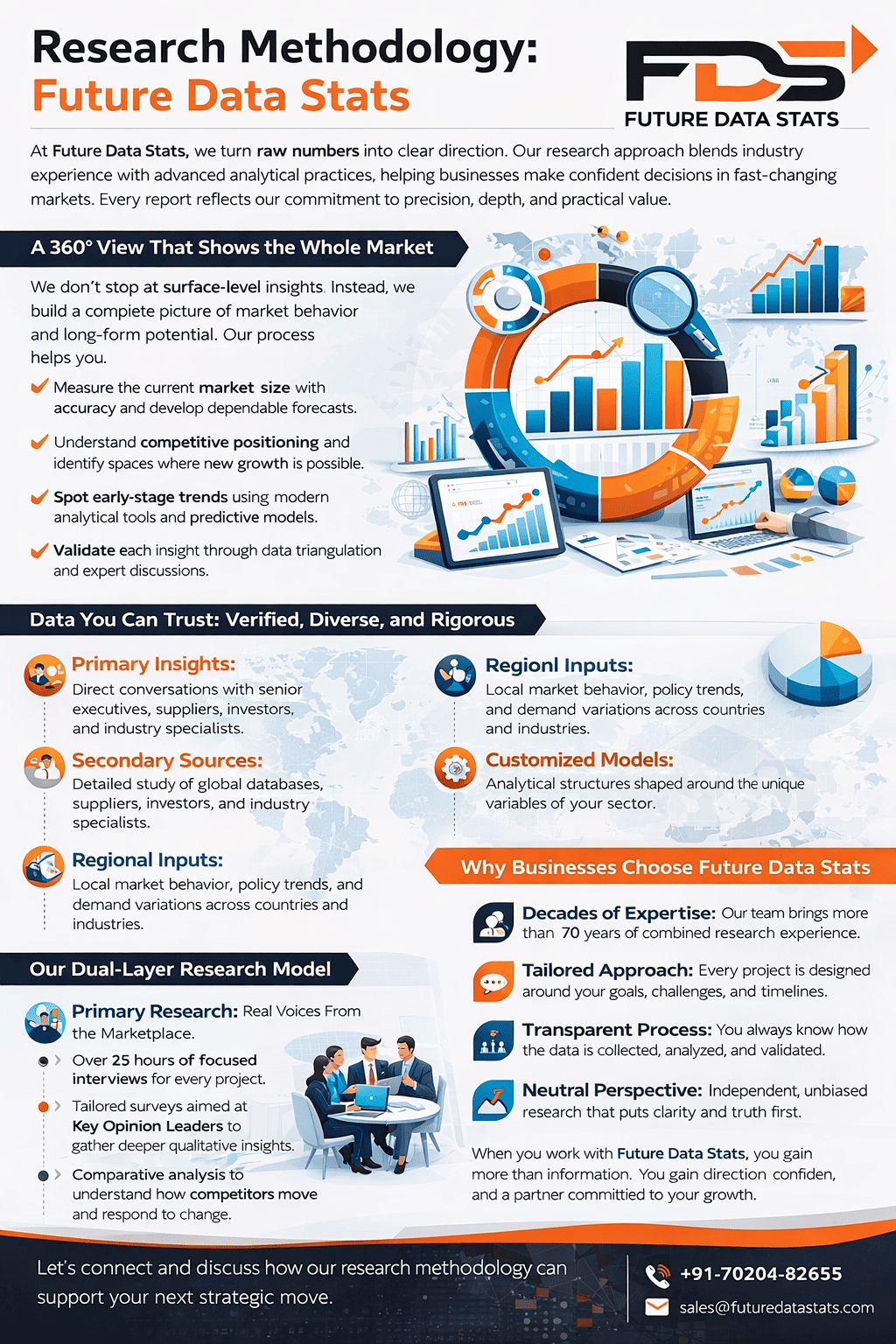
- Research Methodology
- 1 Data Collection Methods
- 2 Primary Research
- 3 Secondary Research
- 4 Market Estimation Techniques
- 5 Data Validation & Triangulation
- Executive Summary
- 1 Market Snapshot
- 2 Key Findings
- 3 Segmental Highlights
- 4 Regional Insights
- 5 Analyst Recommendations
- Market Overview
- 1 Market Dynamics
- Drivers
- Restraints
- Opportunities
- Challenges
- 2 Value Chain Analysis
- 3 Supply Chain Analysis
- 4 Regulatory Framework
- 5 Technology Landscape
- 6 Porter’s Five Forces Analysis
- 1 Market Dynamics
- Smart Soldier Systems Market, By Type
- 1 Overview
- 2 Wearable Electronics
- Smart Helmets
- Smart Vests
- Smart Eyewear
- Smart Boots
- 3 Communication Systems
- Tactical Radios
- Satellite Communication Devices
- Intercom Systems
- 4 Surveillance & Targeting Systems
- Night Vision Devices
- Thermal Imaging Systems
- Laser Rangefinders
- Target Acquisition Systems
- 5 Navigation Systems
- GPS Devices
- Inertial Navigation Systems
- 6 Protection Systems
- Body Armor
- CBRN Protection Systems
- 7 Power Systems
- Batteries
- Energy Harvesting Systems
- Smart Soldier Systems Market, By Application
- 1 Overview
- 2 Combat Operations
- 3 Reconnaissance & Surveillance
- 4 Search & Rescue Missions
- 5 Training & Simulation
- 6 Border Security
- 7 Peacekeeping Missions
- Smart Soldier Systems Market, By Component
- 1 Overview
- 2 Hardware
- Sensors
- Displays
- Processors
- Power Units
- 3 Software
- Command & Control Software
- Data Analytics Platforms
- Cybersecurity Software
- 4 Services
- Integration Services
- Maintenance & Support
- Training Services
- Smart Soldier Systems Market, By Technology
- 1 Overview
- 2 Internet of Things (IoT)
- 3 Artificial Intelligence (AI)
- 4 Augmented Reality (AR)
- 5 Virtual Reality (VR)
- 6 Advanced Materials
- 7 Exoskeleton Technology
- Smart Soldier Systems Market, By End-User
- 1 Overview
- 2 Military Forces
- Army
- Navy
- Air Force
- 3 Homeland Security Agencies
- 4 Special Forces Units
- 5 Law Enforcement Agencies
- Smart Soldier Systems Market, By Distribution Channel
- 1 Overview
- 2 Direct Procurement
- 3 Defense Contractors
- 4 System Integrators
- 5 Government Contracts
- Smart Soldier Systems Market, By Region
- 1 Overview
- 2 North America
- United States
- Canada
- 3 Europe
- United Kingdom
- Germany
- France
- Russia
- 4 Asia-Pacific
- China
- India
- Japan
- South Korea
- 5 Latin America
- Brazil
- Mexico
- 6 Middle East & Africa
- Saudi Arabia
- UAE
- South Africa
- Competitive Landscape
- 1 Market Share Analysis
- 2 Key Player Positioning
- 3 Strategic Developments
- Mergers & Acquisitions
- Partnerships
- Product Launches
- 4 Company Profiles
- Company Profiles
- 1 Company Overview
- 2 Financial Overview
- 3 Product Portfolio
- 4 Recent Developments
- 5 SWOT Analysis
- Future Outlook & Forecast
- 1 Market Forecast (2026–2033)
- 2 Emerging Trends
- 3 Investment Opportunities
- 4 Strategic Recommendations
List of Figures
- Figure 1: Smart Soldier Systems Market Research Framework
- Figure 2: Market Size Estimation Methodology
- Figure 3: Market Dynamics Overview
- Figure 4: Value Chain Analysis
- Figure 5: Supply Chain Analysis
- Figure 6: Porter’s Five Forces Analysis
- Figure 7: Smart Soldier Systems Market by Type (%)
- Figure 8: Smart Soldier Systems Market by Application (%)
- Figure 9: Smart Soldier Systems Market by Component (%)
- Figure 10: Smart Soldier Systems Market by Technology (%)
- Figure 11: Smart Soldier Systems Market by End-User (%)
- Figure 12: Smart Soldier Systems Market by Distribution Channel (%)
- Figure 13: Smart Soldier Systems Market by Region (%)
- Figure 14: Competitive Market Share Analysis
- Figure 15: Forecast Growth Trends (2026–2033)
List of Tables
- Table 1: Market Definition & Scope
- Table 2: Key Assumptions & Limitations
- Table 3: Smart Soldier Systems Market by Type (USD Million)
- Table 4: Market by Application (USD Million)
- Table 5: Market by Component (USD Million)
- Table 6: Market by Technology (USD Million)
- Table 7: Market by End-User (USD Million)
- Table 8: Market by Distribution Channel (USD Million)
- Table 9: Market by Region (USD Million)
- Table 10: North America Market Breakdown
- Table 11: Europe Market Breakdown
- Table 12: Asia-Pacific Market Breakdown
- Table 13: Latin America Market Breakdown
- Table 14: Middle East & Africa Market Breakdown
- Table 15: Key Players Revenue Analysis
- Table 16: Competitive Benchmarking
- Table 17: Recent Strategic Developments
- Table 18: Market Forecast Data (2026–2033)
Smart Soldier Systems Market Segmentation
By Type:
- Wearable Electronics
- Smart Helmets
- Smart Vests
- Smart Eyewear
- Smart Boots
- Communication Systems
- Tactical Radios
- Satellite Communication Devices
- Intercom Systems
- Surveillance & Targeting Systems
- Night Vision Devices
- Thermal Imaging Systems
- Laser Rangefinders
- Target Acquisition Systems
- Navigation Systems
- GPS Devices
- Inertial Navigation Systems
- Protection Systems
- Body Armor
- CBRN Protection Systems
- Power Systems
- Batteries
- Energy Harvesting Systems
By Application:
- Combat Operations
- Reconnaissance & Surveillance
- Search & Rescue Missions
- Training & Simulation
- Border Security
- Peacekeeping Missions
By Component:
- Hardware
- Sensors
- Displays
- Processors
- Power Units
- Software
- Command & Control Software
- Data Analytics Platforms
- Cybersecurity Software
- Services
- Integration Services
- Maintenance & Support
- Training Services
By Technology:
- Internet of Things (IoT)
- Artificial Intelligence (AI)
- Augmented Reality (AR)
- Virtual Reality (VR)
- Advanced Materials
- Exoskeleton Technology
By End-User:
- Military Forces
- Army
- Navy
- Air Force
- Homeland Security Agencies
- Special Forces Units
- Law Enforcement Agencies
By Distribution Channel:
- Direct Procurement
- Defense Contractors
- System Integrators
- Government Contracts
By Geography:
- North America (USA, Canada, Mexico)
- Europe (UK, Germany, France, Italy, Spain, Rest of Europe)
- Asia-Pacific (China, Japan, Australia, South Korea, India, Rest of Asia-Pacific)
- South America (Brazil, Argentina, Rest of South America)
- Middle East and Africa (GCC Countries, South Africa, Rest of MEA)
Smart Soldier Systems Market Dynamic Factors
Drivers:
- Rising demand for real-time battlefield intelligence
- Adoption of AI-enabled wearable and communication devices
- Increasing defense modernization budgets worldwide
Restraints:
- High technology development and deployment costs
- Complex integration with existing military infrastructure
- Limited skilled personnel for system operation and maintenance
Opportunities:
- Expansion of AI and IoT-enabled smart soldier solutions
- Growing demand for lightweight, wearable combat gear
- Partnerships between defense contractors and tech innovators
Challenges:
- Ensuring cybersecurity and data protection in combat systems
- Overcoming resistance to new technology adoption among troops
- Maintaining system reliability in extreme operational environments
Smart Soldier Systems Market Regional Key Trends
North America:
- Leading adoption of AI-driven soldier systems
- Strong government funding for defense R&D
- Focus on advanced wearable and exoskeleton tech
Europe:
- Multinational defense collaborations accelerate deployment
- Investment in soldier situational awareness solutions
- Emphasis on interoperability across NATO forces
Asia Pacific:
- Rapid military modernization in India, Japan, South Korea
- Integration of wearable sensors and communication tech
- Growth in domestic defense manufacturing capabilities
Latin America:
- Adoption of cost-efficient tactical solutions
- Focus on specialized regional defense needs
- Collaboration with international defense tech providers
Middle East & Africa:
- High investment in smart soldier technologies by GCC nations
- Emphasis on enhancing operational readiness and survivability
- Expansion of training programs for tech-enabled troops
Frequently Asked Questions














