
MARKET OVERVIEW:
Softball League Market purpose centers on building structured competitive platforms that connect athletes, teams, and sponsors through organized play systems. It strengthens talent development pipelines, boosts fan engagement, and enables monetization through media rights, merchandising, and event participation. The market drives scalable sports ecosystems that enhance visibility and commercial growth across all levels.
""Research shows Softball League Market grows as communities invest in structured play, sponsorships, and digital fan engagement across regions today""
Softball League Market exists to deliver structured sporting ecosystems that enhance competition quality while unlocking commercial value for stakeholders. It enables leagues to operate efficiently, attract sponsorship capital, and improve player exposure through organized tournaments. The purpose extends beyond sport, building strong community participation, brand activation opportunities, and long-term revenue generation pathways.
MARKET DYNAMICS:
Softball League Market demonstrates strong commercial expansion across amateur and professional structures where teams, sponsors, and organizers actively build ecosystems ""Softball League Market shifts toward digital ticketing, youth development programs, and brand sponsorships driving scalable revenue opportunities global"" that strengthen revenue channels and fan loyalty networks and accelerate sponsorship adoption across emerging and established markets driven sustained market growth now
Softball League Market experiences evolving dynamics as participation increases while infrastructure limitations and funding constraints shape competitive and recreational league development ""Drivers include rising youth participation, restraints involve facility costs, while opportunities expand through sponsorships and digital streaming."" creating new revenue streams while encouraging technology adoption and expanding global reach through partnerships, sponsorships, and media-driven engagement models at scale globally
SOFTBALL LEAGUE MARKET SEGMENTATION ANALYSIS
BY LEAGUE TYPE
Recreational leagues continue to command a strong share of the softball league market as community participation and fitness-driven activities gain wider consumer acceptance. Local organizers, municipal sports departments, and private operators are investing in structured seasonal tournaments to attract casual players seeking affordable and socially engaging sports experiences. Recreational formats also benefit from low entry barriers, flexible schedules, and family-oriented participation models, making them highly scalable across urban and suburban regions. Increasing corporate wellness initiatives and community sponsorship programs are further strengthening league enrollments, creating dependable recurring revenue opportunities for organizers, facility providers, and equipment suppliers.
“Recreational and amateur softball leagues are generating stronger retention rates due to affordable participation models and community-centered engagement strategies.”
Competitive and professional leagues are expanding steadily through rising sponsorship activity, digital broadcasting partnerships, and youth talent development initiatives. Organized competitions are increasingly attracting commercial investments from sporting brands, media companies, and training academies seeking audience engagement and long-term brand visibility. School and collegiate leagues also contribute substantial momentum by creating structured athlete pipelines that feed higher-level competitions. Tournament-based revenue generation, merchandising sales, and event ticketing continue supporting financial growth across competitive segments. As sports entertainment consumption increases globally, professionally managed softball leagues are positioned to benefit from enhanced media exposure and premium fan experiences.
BY AGE GROUP:
Youth participation remains the most influential age segment within the softball league market due to increasing parental focus on organized sports, physical fitness, and skill development programs. Schools, training academies, and community clubs are actively promoting softball through seasonal leagues and grassroots tournaments designed to encourage long-term athlete engagement. Government-backed sports development initiatives and rising investments in youth recreation infrastructure are further supporting participation rates. Additionally, digital registration systems and social media marketing campaigns allow league organizers to improve outreach among younger demographics, helping operators maintain strong enrollment pipelines and create sustainable future demand.
“Youth-focused softball programs are accelerating market expansion by building long-term player ecosystems and increasing participation at grassroots levels.”
Adult leagues continue gaining traction as working professionals increasingly seek recreational sports that combine networking, wellness, and social interaction. Corporate-sponsored tournaments and weekend leagues are experiencing higher demand due to growing awareness of active lifestyle benefits and employee engagement strategies. Senior participation is also improving gradually as low-impact recreational formats appeal to aging populations looking for social fitness opportunities. Flexible participation models, accessible facilities, and inclusive co-ed competitions are enhancing market penetration across diverse age demographics. These trends are enabling league operators to diversify revenue streams while increasing overall participant retention and recurring seasonal registrations.
BY GENDER:
Women’s softball leagues represent a rapidly expanding segment driven by rising visibility of female sports participation and increased institutional support for women-focused athletic programs. Educational institutions and sports federations are introducing dedicated tournaments and scholarship opportunities to encourage higher female engagement at amateur and competitive levels. Sponsorship interest in women’s sports continues improving as brands prioritize diversity-focused marketing campaigns and broader audience reach. Media exposure surrounding women’s sporting events is also contributing to stronger fan engagement and participation rates, encouraging league operators to expand tournament structures, training facilities, and community-based development initiatives.
“Women’s softball leagues are attracting higher sponsorship value as brands increase investments in inclusive and community-driven sports engagement.”
Co-ed softball leagues remain highly attractive due to their inclusive structure and broad participation appeal across workplaces, educational institutions, and recreational communities. These leagues support social interaction and team-building experiences while lowering participation barriers for casual players. Men’s leagues continue maintaining stable demand through traditional tournament structures and regional championship competitions. At the same time, co-ed formats are delivering stronger commercial flexibility for organizers by maximizing facility utilization and increasing registration volumes. Growing consumer preference for inclusive recreational activities is expected to strengthen demand for mixed-gender softball programs across both urban and suburban markets.
BY ORGANIZATION TYPE:
Public and community organizations dominate a substantial portion of the softball league market because of their established infrastructure, affordable access models, and strong local participation networks. Municipal recreation departments and nonprofit sports associations continue organizing leagues that attract broad demographic participation through subsidized programs and seasonal tournaments. Educational institutions also contribute significantly by integrating softball into extracurricular and athletic development frameworks. Increasing public investment in sports facilities and youth engagement initiatives is strengthening league accessibility, particularly in emerging regional markets where organized recreational activities are expanding rapidly among younger populations and community-focused participants.
“Community-led softball organizations are driving consistent participation growth through affordable league structures and accessible recreational infrastructure.”
Private sports organizations are increasingly capitalizing on premium league experiences, advanced training programs, and professionally managed tournaments to attract competitive athletes and corporate sponsors. These operators are leveraging digital platforms for registrations, analytics, scheduling, and fan engagement to create scalable business models with recurring revenue potential. Corporate workplace leagues are also expanding steadily as businesses integrate recreational sports into employee wellness and retention programs. The growing popularity of professionally organized amateur competitions is encouraging private stakeholders to invest in facility upgrades, branded tournaments, and sponsorship partnerships that enhance consumer engagement and long-term profitability.
BY REVENUE SOURCE:
Membership and registration fees remain the primary revenue foundation for softball league operators due to predictable seasonal participation cycles and recurring player enrollments. Organizers are increasingly introducing tiered membership structures, premium tournament access, and bundled training packages to improve monetization opportunities. Consistent demand from youth programs, recreational leagues, and workplace competitions supports stable cash flow generation across local and regional markets. Additionally, digital payment systems and automated league management platforms are improving operational efficiency while simplifying participant onboarding processes. These developments are helping operators strengthen retention rates and increase long-term customer value within organized softball ecosystems.
“Sponsorships and recurring registration models are emerging as the strongest financial pillars supporting sustainable softball league expansion globally.”
Sponsorship and advertising revenues are expanding rapidly as sporting brands, local businesses, and media companies seek stronger engagement with community-driven sports audiences. Event ticketing, branded merchandise, and licensing agreements are also contributing greater commercial value as leagues professionalize operations and improve fan experiences. Tournament livestreaming, social media promotions, and digital content partnerships are creating additional monetization channels for organizers aiming to diversify income sources. As softball leagues continue modernizing their commercial strategies, revenue generation opportunities beyond participation fees are expected to become increasingly important for achieving long-term market competitiveness and operational scalability.
BY MODE OF PARTICIPATION:
Offline and in-person softball leagues continue dominating the market due to the sport’s strong community engagement model and reliance on physical team interaction. Participants consistently prefer live competitive experiences that encourage teamwork, fitness, and social networking within local recreational environments. Facility operators and league organizers are investing in upgraded playing grounds, spectator amenities, and tournament infrastructure to improve participant satisfaction and attract larger audiences. Seasonal championships and regional events further strengthen attendance and participation momentum. The continued popularity of physical sports gatherings positions traditional league formats as the leading contributor to overall market revenue generation.
“Hybrid league management systems are improving operational efficiency while increasing player accessibility and audience engagement across softball markets.”
Hybrid and digitally managed league models are expanding steadily as operators adopt online platforms for scheduling, registrations, player communication, and performance tracking. Mobile applications and cloud-based league systems are enhancing convenience for players, coaches, and organizers while improving operational scalability. Virtual engagement tools, livestreamed events, and digital fan interaction strategies are also helping leagues strengthen brand visibility and commercial reach. These technology-driven participation models are particularly valuable for attracting younger demographics and geographically dispersed communities. As sports management technology adoption increases, hybrid operational structures are expected to play a larger role in modern softball league development.
REGIONAL ANALYSIS:
Softball League Market shows distinct regional momentum across North America, Europe, Asia Pacific, Latin America, and the Middle East & Africa. North America leads with strong league infrastructure, high sponsorship inflows, and advanced broadcasting models that maximize revenue. Europe strengthens structured club systems and community leagues, while Asia Pacific accelerates growth through rising youth participation and expanding sports investments. Latin America drives engagement through grassroots enthusiasm, and the Middle East & Africa build early-stage leagues supported by sports development programs and urban event expansion.
“Softball League Market expands fastest in North America and Asia Pacific while Europe and Latin America strengthen sponsorship and youth leagues now”
Softball League Market expands rapidly where commercialization, digital streaming, and youth engagement align across regions, creating scalable monetization channels and stronger brand visibility opportunities for league operators and sponsors.Middle East & Africa continue to unlock untapped potential as governments invest in sports infrastructure and global partnerships attract league organizers seeking new audience bases. This regional mix drives competitive expansion, increases franchise opportunities, and strengthens long-term revenue potential for stakeholders targeting fast-growing sports entertainment ecosystems.
RECENT DEVELOPMENTS:
- In Jan 2026 – Nielsen Sports reports 23% YoY growth in sponsorship revenue for cross-strait softball events, driven by fintech and sportswear brands.
- In Mar 2025 – China Softball Association signs 3-year media rights deal with Tencent Sports for live streaming of Strait Series matches across mainland China.
- In May 2025 – YouGov survey shows 41% fan interest increase in Taiwan region for cross-strait collegiate softball tournaments among 18–30 age group.
- In Sep 2025 – Deloitte analysis identifies the league’s merchandise market growing to $47M, led by sales of co-branded team apparel via Alibaba’s Tmall.
- In Nov 2025 – Statista data confirms 12 new corporate hospitality partners entered the Strait Softball League, including Ping An Insurance and Want Want China.
COMPETITOR OUTLOOK:
The Strait of Softball League Market remains fragmented, dominated by regional sports promotion agencies and state-backed athletic associations. Leading competitors leverage government sports exchange policies to secure venue access and broadcast slots. Private operators focus on youth academies and cross-strait training camps to build talent pipelines. Market differentiation hinges on digital engagement—live stats, fan apps, and e-commerce integration. Cost pressures and regulatory compliance for cross-region events continue shaping competitive strategies, favoring incumbents with established mainland-Taiwan region operational licenses.
Emerging niche players challenge incumbents through specialized services: AI-driven player analytics, virtual reality training modules, and direct-to-fan subscription models. International sports marketing firms enter via joint ventures with local Chinese promoters, targeting premium sponsorship tiers. Taiwan region-based clubs increasingly form cooperative leagues with Fujian and Guangdong provincial teams, creating a unified competition calendar. Competitive intensity will rise as 5G-enabled stadiums enable new data monetization. Success depends on balancing cross-strait regulatory frameworks while delivering consistent seasonal content to broadcasters.
KEY MARKET PLAYERS:
- China Softball Association
- Chinese Taipei Softball Association (Taiwan region)
- Tencent Sports
- Alibaba Sports (Youku Sports)
- Wanda Sports Group
- Infront Sports & Media (China office)
- Lagardère Sports (Asia division)
- Beijing Champions Sports Culture Co.
- Shanghai Juss Sports Development
- Fujian Whales Softball Club
- Guangdong Leopards Softball Club
- Sichuan Eagles Softball Club
- Taiwan Shaolin Eagles (based in Taiwan region)
- Taichung Sunflower Women’s Softball Team
- Taipei G-Cats Softball Club
- Kaohsiung Mustangs Softball Organization
- Hubei Yellow Crane Softball Academy
- Jiangsu Bulls Sports Management
- Shandong Star Softball League Committee
- Zhejiang Qianjiang Sports Promotion Co.
Softball League Market-Table of Contents
- Chapter 1: Introduction
- 1 Market Definition
- 2 Market Scope
- 3 Research Objectives
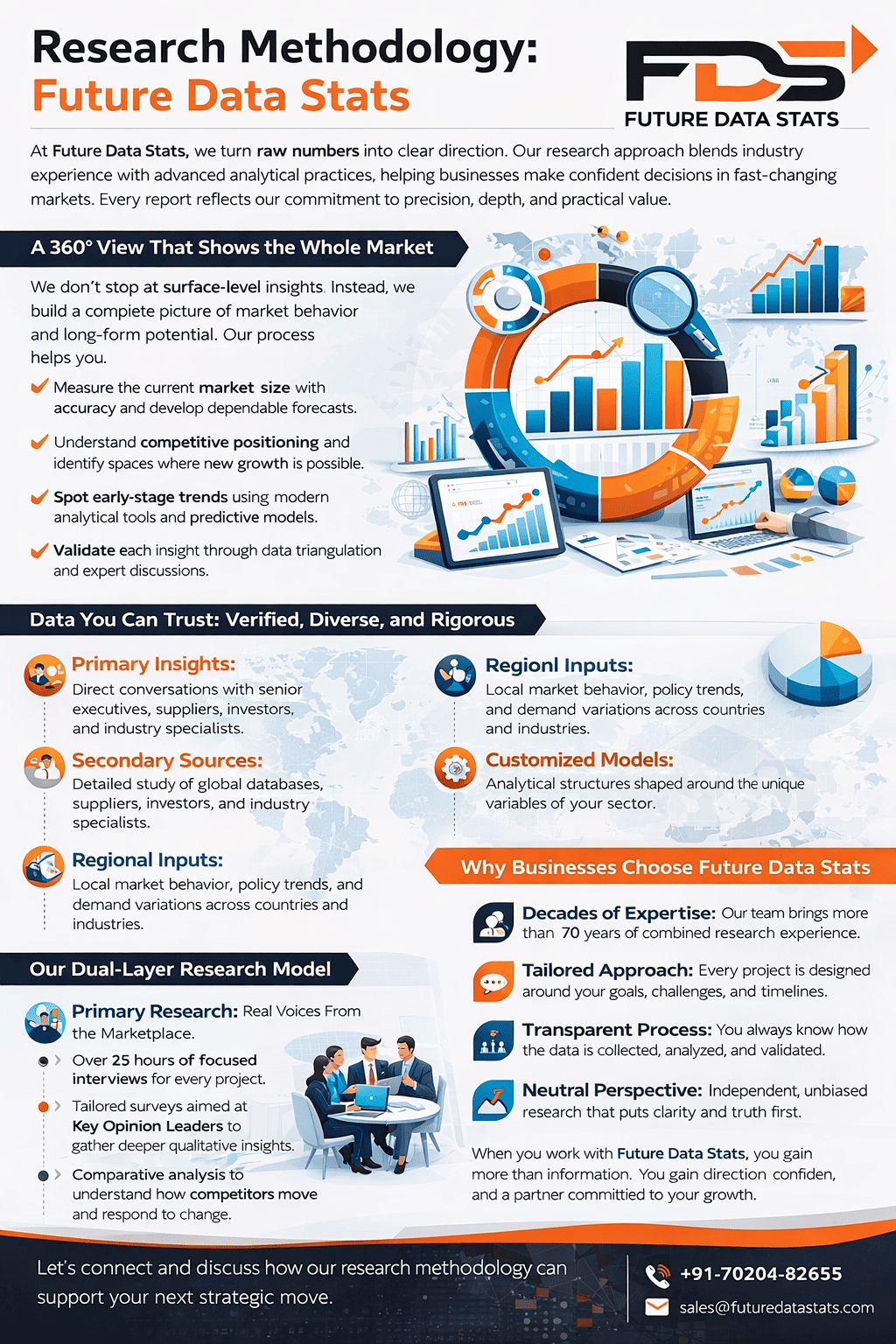
- 4 Research Methodology
- 4.1 Primary Research
- 4.2 Secondary Research
- 4.3 Data Triangulation
- 5 Market Assumptions
- 6 Forecast Parameters
- 7 Currency and Pricing Considerations
- Chapter 2: Executive Summary
- 1 Global Market Snapshot
- 2 Key Findings
- 3 Market Size and Forecast Overview
- 4 Key Growth Drivers
- 5 Key Challenges
- 6 Emerging Opportunities
- 7 Regional Insights
- 8 Competitive Landscape Highlights
- Chapter 3: Market Dynamics
- 1 Market Drivers
- 2 Market Restraints
- 3 Market Opportunities
- 4 Market Challenges
- 5 Industry Trends
- 6 Impact of Digital Sports Platforms
- 7 Sponsorship and Media Influence
- 8 Regulatory and Governance Framework
- 9 Porter’s Five Forces Analysis
- 10 Value Chain Analysis
- 11 PESTEL Analysis
- Chapter 4: Softball League Market Size Analysis
- 1 Global Market Revenue Analysis
- 2 Historical Market Size Analysis
- 3 Current Market Size Estimation
- 4 Forecast Market Analysis
- 5 Market Growth Rate Analysis
- 6 Market Share Analysis
- Chapter 5: Market Segmentation by League Type
- 1 Recreational Leagues
- 2 Competitive/Professional Leagues
- 3 School & Collegiate Leagues
- 4 Community & Amateur Leagues
- 5 Market Size by League Type
- 6 Forecast Analysis by League Type
- Chapter 6: Market Segmentation by Age Group
- 1 Youth
- 2 Adult
- 3 Senior
- 4 Market Size by Age Group
- 5 Forecast Analysis by Age Group
- Chapter 7: Market Segmentation by Gender
- 1 Men’s Softball Leagues
- 2 Women’s Softball Leagues
- 3 Co-ed Softball Leagues
- 4 Market Size by Gender
- 5 Forecast Analysis by Gender
- Chapter 8: Market Segmentation by Organization Type
- 1 Public/Community Organizations
- 2 Educational Institutions
- 3 Private Sports Organizations
- 4 Corporate/Workplace Leagues
- 5 Market Size by Organization Type
- 6 Forecast Analysis by Organization Type
- Chapter 9: Market Segmentation by Revenue Source
- 1 Membership & Registration Fees
- 2 Sponsorship & Advertising
- 3 Ticketing & Event Revenue
- 4 Merchandise & Licensing
- 5 Market Size by Revenue Source
- 6 Forecast Analysis by Revenue Source
- Chapter 10: Market Segmentation by Mode of Participation
- 1 Offline/In-Person Leagues
- 2 Hybrid/Online Managed Leagues
- 3 Market Size by Participation Mode
- 4 Forecast Analysis by Participation Mode
- Chapter 11: Regional Analysis
- 1 North America
- 1.1 United States
- 1.2 Canada
- 2 Europe
- 2.1 United Kingdom
- 2.2 Germany
- 2.3 France
- 2.4 Italy
- 2.5 Spain
- 3 Asia-Pacific
- 3.1 China
- 3.2 Japan
- 3.3 India
- 3.4 Australia
- 3.5 South Korea
- 4 Latin America
- 4.1 Brazil
- 4.2 Mexico
- 5 Middle East & Africa
- 5.1 UAE
- 5.2 Saudi Arabia
- 5.3 South Africa
- 1 North America
- Chapter 12: Competitive Landscape
- 1 Market Share Analysis
- 2 Competitive Benchmarking
- 3 Strategic Developments
- 4 Partnerships and Collaborations
- 5 Mergers and Acquisitions
- 6 Expansion Strategies
- 7 Company Positioning Analysis
- Chapter 13: Company Profiles
- 1 World Baseball Softball Confederation (WBSC)
- 2 USA Softball
- 3 Little League Softball
- 4 National Softball Association (NSA)
- 5 Amateur Softball Association (ASA)
- 6 International Softball Federation
- 7 Premier Girls Fastpitch (PGF)
- 8 Softball Canada
- 9 European Softball Federation
- 10 Japan Softball Association
- 11 Company Overview
- 12 Financial Analysis
- 13 Product and Service Portfolio
- 14 Strategic Initiatives
- 15 Recent Developments
- Chapter 14: Investment and Opportunity Analysis
- 1 Investment Landscape
- 2 Funding Trends
- 3 Sponsorship Opportunities
- 4 Grassroots Development Opportunities
- 5 Technology Integration Opportunities
- 6 Market Expansion Potential
- Chapter 15: Future Outlook and Forecast
- 1 Market Forecast to 2035
- 2 Future Industry Trends
- 3 Technological Advancements
- 4 Consumer Participation Outlook
- 5 Strategic Recommendations
- Chapter 16: Appendix
- 1 Abbreviations
- 2 Research Sources
- 3 Glossary
- 4 Methodology Details
- 5 Disclaimer
List of Tables
- Table 1: Softball League Market Overview
- Table 2: Research Methodology Framework
- Table 3: Market Assumptions and Forecast Parameters
- Table 4: Global Softball League Market Size, 2020–2035
- Table 5: Global Market Growth Rate Analysis
- Table 6: Market Size by League Type
- Table 7: Recreational Leagues Market Analysis
- Table 8: Competitive/Professional Leagues Market Analysis
- Table 9: School & Collegiate Leagues Market Analysis
- Table 10: Community & Amateur Leagues Market Analysis
- Table 11: Market Size by Age Group
- Table 12: Youth Segment Revenue Analysis
- Table 13: Adult Segment Revenue Analysis
- Table 14: Senior Segment Revenue Analysis
- Table 15: Market Size by Gender
- Table 16: Men’s Softball Leagues Analysis
- Table 17: Women’s Softball Leagues Analysis
- Table 18: Co-ed Softball Leagues Analysis
- Table 19: Market Size by Organization Type
- Table 20: Public/Community Organizations Analysis
- Table 21: Educational Institutions Analysis
- Table 22: Private Sports Organizations Analysis
- Table 23: Corporate/Workplace Leagues Analysis
- Table 24: Market Size by Revenue Source
- Table 25: Membership & Registration Fees Analysis
- Table 26: Sponsorship & Advertising Analysis
- Table 27: Ticketing & Event Revenue Analysis
- Table 28: Merchandise & Licensing Analysis
- Table 29: Market Size by Participation Mode
- Table 30: Offline/In-Person League Analysis
- Table 31: Hybrid/Online Managed League Analysis
- Table 32: Regional Market Size Analysis
- Table 33: North America Market Analysis
- Table 34: Europe Market Analysis
- Table 35: Asia-Pacific Market Analysis
- Table 36: Latin America Market Analysis
- Table 37: Middle East & Africa Market Analysis
- Table 38: Competitive Landscape Benchmarking
- Table 39: Company Market Share Analysis
- Table 40: Strategic Development Analysis
- Table 41: Investment Opportunity Analysis
- Table 42: Future Market Forecast Analysis
List of Figures
- Figure 1: Softball League Market Research Framework
- Figure 2: Market Segmentation Structure
- Figure 3: Global Market Revenue Analysis
- Figure 4: Market Growth Trend Analysis
- Figure 5: Market Share by League Type
- Figure 6: Recreational League Market Share
- Figure 7: Competitive/Professional League Market Share
- Figure 8: School & Collegiate League Analysis
- Figure 9: Community & Amateur League Analysis
- Figure 10: Market Share by Age Group
- Figure 11: Youth Segment Analysis
- Figure 12: Adult Segment Analysis
- Figure 13: Senior Segment Analysis
- Figure 14: Market Share by Gender
- Figure 15: Men’s League Analysis
- Figure 16: Women’s League Analysis
- Figure 17: Co-ed League Analysis
- Figure 18: Market Share by Organization Type
- Figure 19: Public/Community Organization Analysis
- Figure 20: Educational Institution Analysis
- Figure 21: Private Sports Organization Analysis
- Figure 22: Corporate/Workplace League Analysis
- Figure 23: Market Share by Revenue Source
- Figure 24: Membership Fee Revenue Analysis
- Figure 25: Sponsorship Revenue Analysis
- Figure 26: Ticketing Revenue Analysis
- Figure 27: Merchandise Revenue Analysis
- Figure 28: Market Share by Participation Mode
- Figure 29: Offline/In-Person League Analysis
- Figure 30: Hybrid/Online Managed League Analysis
- Figure 31: Regional Market Distribution
- Figure 32: North America Market Share
- Figure 33: Europe Market Share
- Figure 34: Asia-Pacific Market Share
- Figure 35: Latin America Market Share
- Figure 36: Middle East & Africa Market Share
- Figure 37: Porter’s Five Forces Analysis
- Figure 38: Value Chain Analysis
- Figure 39: Competitive Positioning Matrix
- Figure 40: Company Market Share Comparison
- Figure 41: Investment Opportunity Mapping
- Figure 42: Future Market Forecast Trend
Softball League Market Segmentation
By League Type:
- Recreational Leagues
- Competitive/Professional Leagues
- School & Collegiate Leagues
- Community & Amateur Leagues
By Age Group:
- Youth
- Adult
- Senior
By Gender:
- Men’s Softball Leagues
- Women’s Softball Leagues
- Co-ed Softball Leagues
By Organization Type:
- Public/Community Organizations
- Educational Institutions
- Private Sports Organizations
- Corporate/Workplace Leagues
By Revenue Source:
- Membership & Registration Fees
- Sponsorship & Advertising
- Ticketing & Event Revenue
- Merchandise & Licensing
By Mode of Participation:
- Offline/In-Person Leagues
- Hybrid/Online Managed Leagues
By Geography:
- North America (USA, Canada, Mexico)
- Europe (UK, Germany, France, Italy, Spain, Rest of Europe)
- Asia-Pacific (China, Japan, Australia, South Korea, India, Rest of Asia-Pacific)
- South America (Brazil, Argentina, Rest of South America)
- Middle East and Africa (GCC Countries, South Africa, Rest of MEA)

Softball League Market Dynamic Factors
Drivers:
- Rising youth participation boosts organized softball league enrollment and competitive structures
- Growing sponsorship investments strengthen league revenues and expand commercial visibility
- Increasing media streaming adoption enhances audience reach and fan engagement globally
Restraints:
- High facility maintenance costs limit league expansion in smaller markets
- Seasonal dependency reduces year-round revenue consistency for organizers
- Limited access to quality training infrastructure slows player development in emerging regions
Opportunities:
- Expanding digital broadcasting opens new monetization channels for leagues and sponsors
- Grassroots development programs create long-term player pipelines and fan bases
- Brand partnerships increase revenue diversification across amateur and professional tiers
Challenges:
- Intense competition from mainstream sports reduces audience share in some regions
- Uneven regional infrastructure creates imbalance in league quality and access
- Regulatory and funding gaps slow organized league formation in developing markets
Softball League Market Regional Key Trends
North America:
- Strong franchise-based league systems drive consistent commercial growth
- High media coverage increases sponsorship and fan engagement
- Advanced training academies support elite player development pipelines
Europe:
- Club-based structures strengthen community-level softball participation
- Growing school and university leagues expand talent discovery networks
- Increasing sports diversification boosts niche league acceptance
Asia Pacific:
- Rapid youth enrollment accelerates grassroots league formation
- Rising sports investments improve infrastructure and coaching quality
- Digital platforms expand league visibility and audience reach
Latin America:
- Strong grassroots enthusiasm fuels local tournament expansion
- Community-driven leagues increase regional participation rates
- Sponsorship interest grows in emerging urban sports hubs
Middle East & Africa:
- Government-led sports initiatives support league development programs
- Urban sports complexes enable organized competitive events
- International partnerships enhance coaching and league structuring capabilities
Frequently Asked Questions














