
According to insights from Future Data Stats, The Global Advanced Archery Gear Market was valued at USD 0.68 billion in 2025. It is expected to grow from USD 0.72 billion in 2026 to USD 1.17 billion by 2033, registering a CAGR of 7.2% during the forecast period (2026–2033).
MARKET OVERVIEW:
The Advanced Archery Gear Market focuses on delivering high-precision equipment designed to enhance accuracy, stability, and performance for archers across professional and recreational levels. Manufacturers develop compound bows, sights, stabilizers, arrows, and smart tracking systems that improve consistency and shooting efficiency. The market aims to elevate user experience by integrating lightweight materials, ergonomic designs, and digital calibration tools. It supports sports training, competitive archery, and hunting applications while enabling athletes to achieve higher precision with reduced effort.
""Global demand for advanced archery gear rises as athletes adopt smart bows, precision sights, and lightweight carbon fiber components worldwide 202.""
This market purpose extends to expanding accessibility and performance optimization through continuous innovation and customization. Brands invest in advanced composites, vibration reduction systems, and data-driven performance analytics to meet evolving consumer expectations. Rising interest in outdoor sports and Olympic-level competition fuels adoption, while retailers and online platforms streamline global distribution. Ultimately, the Advanced Archery Gear Market empowers users to improve skill development, accuracy, and competitive advantage in a rapidly growing precision sports industry.
MARKET DYNAMICS:
Latest trends in the Advanced Archery Gear Market include smart bow integration, digital aiming systems, and lightweight composite materials that enhance precision and user control. Upcoming trends focus on AI-assisted training tools and connected performance tracking platforms. Business scope expands across sports retail, e-commerce, and professional training centers, creating strong global revenue opportunities for manufacturers and brands worldwide market growth.
""Smart archery gear adoption accelerates as athletes use AI training, carbon bows, and real time analytics to improve precision and competitive edge 20""
Key drivers of the Advanced Archery Gear Market include rising participation in competitive sports, growing demand for precision equipment, and increasing investments in training infrastructure. Restraints involve high equipment costs and limited accessibility in developing regions. Opportunities emerge through product innovation, smart technology integration, and expanding youth engagement programs that boost long-term market adoption and revenue growth globally sustained outlook.Market growth strengthens as archery brands focus on smart equipment, youth programs, and digital training solutions across global sporting ecosystems.
Analyst Key Takeaways:
The Advanced Archery Gear Market is expected to witness steady growth, supported by increasing participation in competitive archery, recreational shooting, and hunting activities. Rising consumer preference for high-performance equipment, including precision-engineered bows, lightweight carbon arrows, advanced sights, and stabilization systems, is driving demand across both professional and enthusiast segments. Continuous product innovation focused on accuracy, durability, and user comfort further strengthens market expansion.
Manufacturers are increasingly integrating advanced materials, ergonomic designs, and smart technologies into premium archery gear to enhance performance and user experience. The growing influence of e-commerce, expanding archery clubs and training facilities, and rising investments in international sporting events are creating new growth opportunities. North America remains a leading market due to its strong hunting culture and established archery community, while Asia-Pacific is emerging as a high-growth region fueled by increasing sports participation and expanding outdoor recreation activities.
ADVANCED ARCHERY GEAR MARKET SEGMENTATION ANALYSIS
BY PRODUCT TYPE:
The product type segment is led by bows, arrows, sights and optics, releases, stabilizers, quivers, and protective accessories, with bows accounting for the largest revenue contribution. Demand is increasingly concentrated around technologically enhanced equipment that improves consistency, precision, and user comfort. Competitive athletes and serious enthusiasts are prioritizing performance-oriented gear that delivers measurable accuracy gains, encouraging manufacturers to introduce lightweight materials and advanced engineering designs. This trend supports higher average selling prices and strengthens replacement demand, particularly among users seeking equipment upgrades rather than entry-level purchases.
“Research Insight: Precision-focused archers increasingly favor premium gear upgrades, creating sustained demand momentum and higher-value sales opportunities worldwide.”
The accessories ecosystem is also becoming a powerful revenue generator as users invest in complete performance packages rather than standalone products. Advanced sights, stabilizers, and release aids are experiencing notable adoption due to their ability to enhance shooting control and repeatability. Retailers benefit from cross-selling opportunities, while manufacturers gain from recurring purchases and product customization trends. Growing participation in organized competitions and recreational archery activities further reinforces spending on premium accessories, enabling suppliers to expand margins and strengthen customer loyalty through integrated product offerings.
BY BOW TYPE:
Compound bows represent the dominant category within bow type segmentation due to their superior accuracy, power efficiency, and adaptability across competitive and recreational applications. Their advanced cam systems reduce holding weight while improving shooting stability, making them attractive to both experienced archers and developing enthusiasts. Continuous product innovation focused on speed, customization, and ergonomic enhancements is supporting broader consumer acceptance. As archers increasingly seek equipment that delivers reliable performance with minimal physical strain, compound bows continue to command significant market attention and premium pricing potential.
“Research Insight: Compound bow innovation is reshaping buyer preferences, driving premium purchases through enhanced accuracy, comfort, and shooting efficiency.”
Recurve bows maintain strong demand because of their established role in competitive sports and training programs. Their widespread use in international tournaments and archery clubs creates a stable consumer base and consistent replacement cycle. Crossbows are also gaining traction, particularly among users seeking higher power output and easier handling characteristics. The combined influence of sporting events, recreational participation, and product diversification is expanding opportunities across all bow categories. Manufacturers that balance innovation with affordability are well positioned to capture demand across multiple user groups and skill levels.
BY END USER:
Professional and competitive archers represent a high-value customer segment because they consistently invest in advanced equipment capable of delivering superior accuracy and repeatable performance. This user group places significant emphasis on precision engineering, customization options, and equipment reliability under competitive conditions. Their purchasing decisions often influence broader market trends, encouraging manufacturers to prioritize innovation and premium product development. sponsorship programs, tournaments, and training academies further stimulate demand, creating opportunities for brands to establish credibility and strengthen long-term relationships with performance-focused consumers.
“Research Insight: Competitive participation continues to elevate premium equipment demand, positioning skilled archers as influential drivers of market growth.”
Recreational archers and hunting users collectively contribute substantial market volume through expanding participation rates and increasing awareness of archery as a leisure activity. Recreational consumers are seeking durable, user-friendly products that balance performance with affordability, while hunting-oriented users prioritize power, durability, and field reliability. Growing outdoor recreation trends and rising interest in skill-based sports are supporting broader adoption across these categories. Manufacturers that offer differentiated product portfolios tailored to varying experience levels can effectively capture demand and expand their presence across multiple customer segments.
BY DISTRIBUTION CHANNEL:
Online retail has emerged as a leading distribution channel due to its extensive product selection, competitive pricing, and convenient purchasing experience. Consumers increasingly rely on digital platforms to compare specifications, access reviews, and evaluate product performance before making buying decisions. Manufacturers are leveraging direct-to-consumer strategies and digital marketing initiatives to expand reach and improve brand visibility. The availability of detailed product information and personalized recommendations further enhances customer engagement, contributing to stronger conversion rates and accelerating sales growth across diverse geographic markets.
“Research Insight: Digital commerce platforms are accelerating premium gear adoption by improving product visibility, accessibility, and informed purchasing decisions.”
Specialty sports stores, sporting goods retailers, and direct sales channels remain highly influential because archery equipment often benefits from hands-on evaluation and expert guidance. Consumers frequently seek professional advice regarding equipment fit, performance characteristics, and customization options before committing to higher-value purchases. Retail environments that provide demonstrations, technical support, and after-sales services strengthen customer confidence and encourage repeat business. The combination of physical retail expertise and expanding omnichannel strategies is creating a balanced distribution ecosystem capable of supporting sustained market expansion and improved customer satisfaction.
REGIONAL ANALYSIS:
North America drives strong demand for advanced archery gear as athletes, hunters, and sports institutions adopt high-precision bows, stabilizers, and smart sighting systems. Europe follows closely, emphasizing regulated sporting excellence, Olympic training programs, and premium equipment upgrades that boost accuracy and performance. Asia Pacific expands rapidly as rising disposable income, youth participation, and competitive archery culture fuel large-scale adoption of technologically enhanced gear across training academies and retail channels.
""Advanced archery gear demand rises across North America, Europe, Asia Pacific as athletes invest in precision, smart bows, and carbon systems global.""
Latin America shows steady growth as archery gains visibility through sports development programs and increasing recreational participation, while affordability remains a key purchasing factor. Middle East and Africa strengthen gradually with rising investments in sports infrastructure, tourism-driven sporting events, and training initiatives. Across all regions, manufacturers capture opportunity by offering durable, lightweight, and digitally enhanced gear that improves accuracy, boosts user engagement, and accelerates global market expansion.
RECENT DEVELOPMENTS:
- In January 2026 – Garmin launched the Xero L60i laser rangefinder with GNSS mapping, augmented reality overlays, and 3,600-meter targeting capability, expanding smart targeting technology in advanced archery gear.
- In January 2026 – Garmin introduced the Xero C2 chronograph featuring rapid-fire tracking, smartwatch connectivity, and enhanced ballistic data processing for bow and arrow performance analysis.
- In October 2025 – Bear Archery unveiled its 2026 product lineup, including the Redeem flagship bow with EKO² cam technology, advanced tunability, and lightweight riser architecture.
- In October 2025 – Elite Archery released the 2026 Varos, Emerse, and Carbon Axys compound bows, emphasizing adaptability, carbon construction, and next-generation performance enhancements.
- In October 2025 – Trophy Ridge launched its 2026 accessory range, adding upgraded arrow rests, stabilizers, sights, quivers, and release systems for competitive and hunting archers.
- In November 2024 / Market Impact in 2025 – Mathews Archery introduced the 2025 LIFT X bow platform featuring patented Limb Shift Technology, ARC7 limbs, and customizable grip systems for precision tuning.
- In November 2024 / Market Impact in 2025 – Hoyt Archery launched the Carbon RX-9 and Alpha AX-2 series with redesigned risers, upgraded limb systems, and higher speed performance for hunters and tournament shooters.
- In 2025 Product Launch Cycle – Easton Archery introduced the Easton 5.0 micro-diameter hunting arrow platform, improving penetration, wind resistance management, and tuning flexibility.
COMPETITOR OUTLOOK:
The Strait of Advanced Archery Gear Market remains highly competitive, led by established manufacturers focusing on precision engineering, lightweight materials, smart electronics, and customizable shooting systems. Companies such as Hoyt Archery, Mathews Archery, and Bear Archery continue investing in carbon-riser technologies, tuning innovations, and high-performance cam systems. Product differentiation increasingly centers on accuracy, speed, vibration reduction, and user-adjustable configurations that appeal to both professional and recreational archers.
Technology integration is becoming a major competitive factor as companies expand beyond traditional bows and arrows into connected accessories and performance analytics. Garmin strengthens its position through laser rangefinders and ballistic tracking devices, while accessory specialists and premium arrow manufacturers broaden product portfolios to capture higher-value customers. Market participants are also leveraging sponsorships, tournament visibility, dealer networks, and product customization to strengthen brand loyalty and maintain competitive advantages across global archery markets.
KEY MARKET PLAYERS:
- Mathews Archery
- Hoyt Archery
- Bear Archery
- Elite Archery
- PSE Archery
- Bowtech Archery
- Prime Archery
- Mission Archery
- Diamond Archery
- Easton Archery
- Victory Archery
- Black Eagle Arrows
- Gold Tip
- Carbon Express
- Garmin
- Trophy Ridge
- HHA Sports
- QAD Inc.
- Axcel Archery
- Bohning Company
Advanced Archery Gear Market-Table of Contents
Chapter 1: Executive Summary
- 1 Market Overview
- 2 Market Definition
- 3 Key Findings
- 4 Market Snapshot
- 5 Analyst Insights
- 6 Future Outlook
Chapter 2: Market Introduction
- 1 Market Definition and Scope
- 2 Product Classification
- 3 Industry Value Chain Analysis
- 4 Industry Ecosystem
- 5 Stakeholder Analysis
- 6 Regulatory Landscape
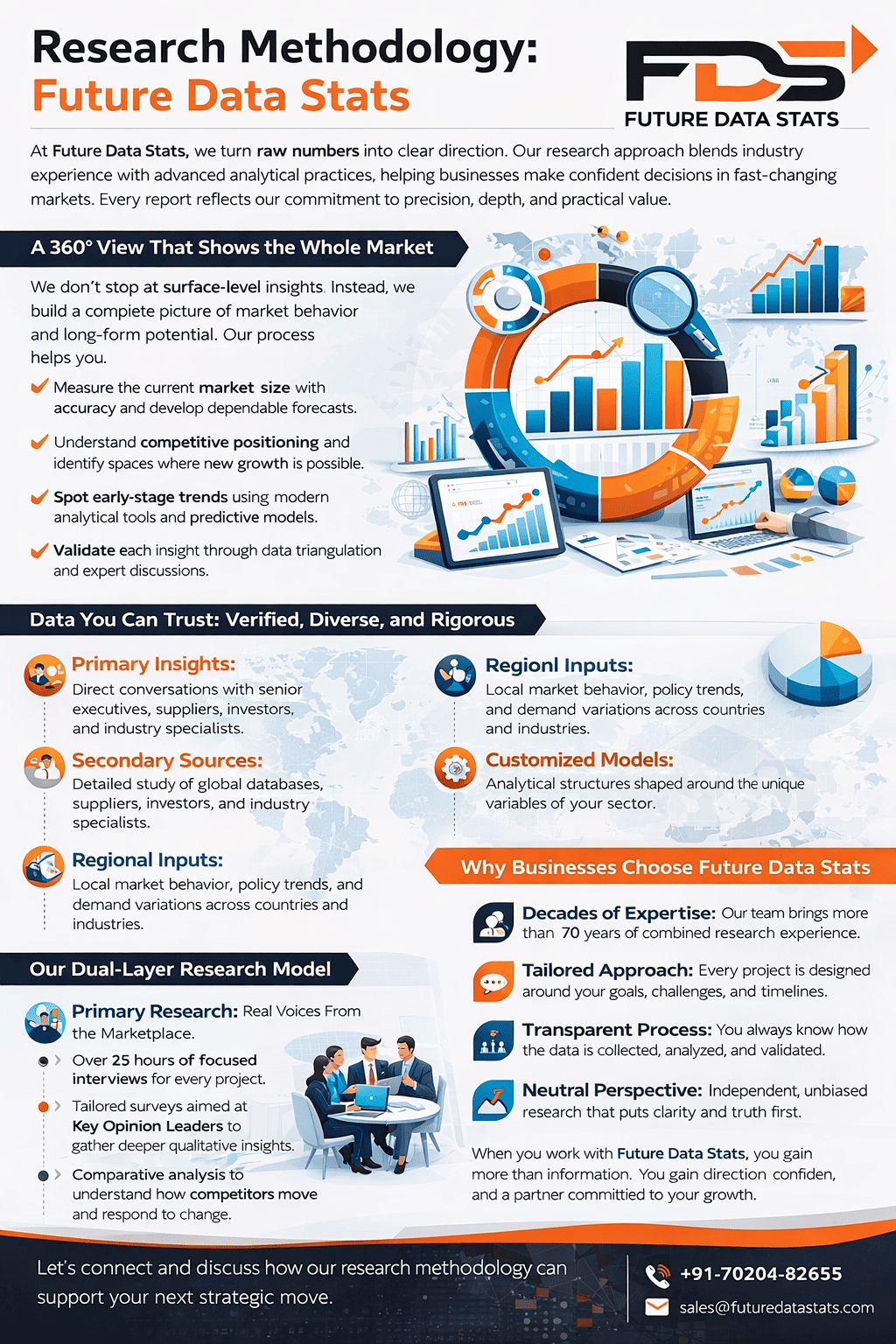
Chapter 3: Research Methodology
- 1 Research Objectives
- 2 Data Collection Methodology
- 3 Primary Research
- 4 Secondary Research
- 5 Market Size Estimation
- 6 Forecasting Methodology
- 7 Data Triangulation
- 8 Assumptions and Limitations
Chapter 4: Market Dynamics
- 1 Market Drivers
- 2 Market Restraints
- 3 Market Opportunities
- 4 Market Challenges
- 5 Emerging Trends
- 6 Impact Analysis
- 7 Porter’s Five Forces Analysis
- 8 PESTEL Analysis
Chapter 5: Advanced Archery Gear Market, By Product Type
- 1 Overview
- 2 Bows
- 3 Arrows
- 4 Sights & Optics
- 5 Releases
- 6 Stabilizers
- 7 Quivers
- 8 Protective Gear & Accessories
Chapter 6: Advanced Archery Gear Market, By Bow Type
- 1 Overview
- 2 Compound Bows
- 3 Recurve Bows
- 4 Crossbows
Chapter 7: Advanced Archery Gear Market, By End User
- 1 Overview
- 2 Professional/Competitive Archers
- 3 Recreational Archers
- 4 Hunting Users
Chapter 8: Advanced Archery Gear Market, By Distribution Channel
- 1 Overview
- 2 Online Retail
- 3 Specialty Sports Stores
- 4 Sporting Goods Retailers
- 5 Direct Sales
Chapter 9: Advanced Archery Gear Market, By Region
- 1 Overview
- 2 North America
- 2.1 United States
- 2.2 Canada
- 2.3 Mexico
- 3 Europe
- 3.1 Germany
- 3.2 United Kingdom
- 3.3 France
- 3.4 Italy
- 3.5 Spain
- 3.6 Rest of Europe
- 4 Asia-Pacific
- 4.1 China
- 4.2 Japan
- 4.3 India
- 4.4 South Korea
- 4.5 Australia
- 4.6 Rest of Asia-Pacific
- 5 Latin America
- 5.1 Brazil
- 5.2 Argentina
- 5.3 Rest of Latin America
- 6 Middle East & Africa
- 6.1 GCC
- 6.2 South Africa
- 6.3 Rest of Middle East & Africa
Chapter 10: Competitive Landscape
- 1 Market Share Analysis
- 2 Competitive Benchmarking
- 3 Strategic Positioning Analysis
- 4 Product Portfolio Analysis
- 5 Distribution Network Analysis
- 6 Mergers and Acquisitions
- 7 Partnerships and Collaborations
- 8 New Product Launches
Chapter 11: Company Profiles
- 1 Company Overview
- 2 Business Description
- 3 Product Portfolio
- 4 Financial Performance
- 5 Geographic Presence
- 6 Recent Developments
- 7 Strategic Initiatives
Chapter 12: Investment and Growth Opportunities
- 1 Investment Analysis
- 2 Growth Opportunity Mapping
- 3 Emerging Markets
- 4 Innovation Trends
- 5 Future Investment Outlook
Chapter 13: Conclusions and Strategic Recommendations
- 1 Key Takeaways
- 2 Strategic Recommendations
- 3 Future Market Outlook
- 4 Conclusion
List of Tables
- Table 1: Advanced Archery Gear Market Snapshot
- Table 2: Global Advanced Archery Gear Market Size, by Year
- Table 3: Global Advanced Archery Gear Market Growth Rate Analysis
- Table 4: Market Attractiveness Analysis by Product Type
- Table 5: Market Attractiveness Analysis by Bow Type
- Table 6: Market Attractiveness Analysis by End User
- Table 7: Market Attractiveness Analysis by Distribution Channel
- Table 8: Global Advanced Archery Gear Market Size, by Product Type
- Table 9: Global Bows Market Size
- Table 10: Global Arrows Market Size
- Table 11: Global Sights & Optics Market Size
- Table 12: Global Releases Market Size
- Table 13: Global Stabilizers Market Size
- Table 14: Global Quivers Market Size
- Table 15: Global Protective Gear & Accessories Market Size
- Table 16: Global Advanced Archery Gear Market Size, by Bow Type
- Table 17: Global Compound Bows Market Size
- Table 18: Global Recurve Bows Market Size
- Table 19: Global Crossbows Market Size
- Table 20: Global Advanced Archery Gear Market Size, by End User
- Table 21: Global Professional/Competitive Archers Market Size
- Table 22: Global Recreational Archers Market Size
- Table 23: Global Hunting Users Market Size
- Table 24: Global Advanced Archery Gear Market Size, by Distribution Channel
- Table 25: Global Online Retail Market Size
- Table 26: Global Specialty Sports Stores Market Size
- Table 27: Global Sporting Goods Retailers Market Size
- Table 28: Global Direct Sales Market Size
- Table 29: North America Market Size and Forecast
- Table 30: Europe Market Size and Forecast
- Table 31: Asia-Pacific Market Size and Forecast
- Table 32: Latin America Market Size and Forecast
- Table 33: Middle East & Africa Market Size and Forecast
- Table 34: Competitive Benchmarking of Key Companies
- Table 35: Market Share Analysis of Leading Companies
- Table 36: Product Portfolio Comparison
- Table 37: Distribution Network Analysis
- Table 38: Investment and Expansion Activities
- Table 39: Regulatory Framework Analysis
- Table 40: Research Methodology Summary
List of Figures
- Figure 1: Advanced Archery Gear Market Research Framework
- Figure 2: Advanced Archery Gear Market Executive Summary
- Figure 3: Global Advanced Archery Gear Market Size and Growth Trend
- Figure 4: Market Value Chain Analysis
- Figure 5: Industry Ecosystem Analysis
- Figure 6: Market Drivers Impact Analysis
- Figure 7: Market Restraints Impact Analysis
- Figure 8: Market Opportunities Analysis
- Figure 9: Porter’s Five Forces Analysis
- Figure 10: PESTEL Analysis
- Figure 11: Market Share by Product Type
- Figure 12: Market Share by Bow Type
- Figure 13: Market Share by End User
- Figure 14: Market Share by Distribution Channel
- Figure 15: Product Type Segment Comparison
- Figure 16: Bow Type Segment Comparison
- Figure 17: End User Segment Comparison
- Figure 18: Distribution Channel Segment Comparison
- Figure 19: Regional Market Share Analysis
- Figure 20: North America Market Trend
- Figure 21: Europe Market Trend
- Figure 22: Asia-Pacific Market Trend
- Figure 23: Latin America Market Trend
- Figure 24: Middle East & Africa Market Trend
- Figure 25: Competitive Positioning Matrix
- Figure 26: Company Market Share Analysis
- Figure 27: Strategic Development Analysis
- Figure 28: Future Market Opportunity Assessment
Advanced Archery Gear Market Segmentation
By Product Type:
- Bows
- Arrows
- Sights & Optics
- Releases
- Stabilizers
- Quivers
- Protective Gear & Accessories
By Bow Type:
- Compound Bows
- Recurve Bows
- Crossbows
By End User:
- Professional/Competitive Archers
- Recreational Archers
- Hunting Users
By Distribution Channel:
- Online Retail
- Specialty Sports Stores
- Sporting Goods Retailers
- Direct Sales
By Geography:
- North America (USA, Canada, Mexico)
- Europe (UK, Germany, France, Italy, Spain, Rest of Europe)
- Asia-Pacific (China, Japan, Australia, South Korea, India, Rest of Asia-Pacific)
- South America (Brazil, Argentina, Rest of South America)
- Middle East and Africa (GCC Countries, South Africa, Rest of MEA)

Advanced Archery Gear Market Dynamic Factors
Drivers:
- Rising participation in recreational and competitive archery boosts equipment demand.
- Manufacturers introduce lightweight carbon materials and precision technologies.
- Growing hunting activities increase sales of advanced bows and accessories.
Restraints:
- High product costs limit adoption among entry-level users.
- Strict regulations on hunting equipment restrict market expansion.
- Limited access to archery facilities reduces participation rates.
Opportunities:
- Smart rangefinders and connected accessories create new revenue streams.
- Expansion of e-commerce channels improves product reach globally.
- Emerging markets show increasing interest in outdoor sports activities.
Challenges:
- Raw material price fluctuations affect manufacturing costs.
- Intense competition pressures pricing and profit margins.
- Counterfeit products weaken brand value and consumer trust.
Advanced Archery Gear Market Regional Key Trends
North America:
- Demand grows for premium compound bows and hunting gear.
- Consumers favor carbon-based lightweight equipment.
- Smart targeting and performance-tracking devices gain traction.
Europe:
- Competitive archery participation supports equipment upgrades.
- Sustainable materials receive greater manufacturer attention.
- Archery clubs drive demand for high-precision gear.
Asia Pacific:
- Rising disposable incomes support recreational archery spending.
- Local brands expand product portfolios and distribution networks.
- Youth participation increases through sports development programs.
Latin America:
- Interest in outdoor sports continues to expand.
- Online retail channels improve product accessibility.
- Demand rises for affordable performance-oriented equipment.
Middle East & Africa:
- Archery tourism and sporting events attract new participants.
- Premium equipment adoption increases among enthusiasts.
- Retail networks gradually expand across key urban markets.
Frequently Asked Questions














