
According to insights from Future Data Stats, the AI in construction and Architecture Market was valued at USD 6.3 billion in 2025. It is expected to grow from USD 7.8 billion in 2026 to USD 36.3 billion by 2033, registering a CAGR of 24.6% during the forecast period (2026–2033).
MARKET OVERVIEW:
AI in construction and Architecture Market is designed to transform how buildings are imagined, planned, and delivered by integrating intelligent systems into every stage of the built environment lifecycle. Its core purpose is to automate design optimization, improve project accuracy, and enable data-driven decision-making that reduces delays, cost overruns, and material waste. By leveraging machine learning, predictive analytics, and generative design, it helps architects and construction professionals create smarter, safer, and more sustainable structures while accelerating project timelines and improving overall efficiency.
“AI reduces construction delays by up to 30% while improving design accuracy, enabling faster, smarter project execution at lower cost.”
This market exists to eliminate traditional inefficiencies in construction workflows and replace them with real-time intelligence that enhances productivity and profitability. It supports better resource allocation, risk forecasting, and performance simulation, allowing firms to deliver high-quality projects with greater confidence and precision. Ultimately, AI in this sector is not just a tool but a competitive advantage empowering companies to win more bids, execute faster, and scale smarter in an increasingly complex construction ecosystem.
MARKET DYNAMICS:
AI in Construction and Architecture Market is evolving rapidly with trends like generative design, AI-powered BIM integration, predictive analytics, and automated project management reshaping workflows. Upcoming advancements include autonomous site monitoring, digital twins, and real-time design optimization that expand commercial scalability. Businesses now gain faster approvals, lower rework, and stronger bidding advantages.AI-driven BIM and predictive tools improve design speed by 40% while reducing construction errors and project delays significantly across complex builds.
""Construction AI adoption can cut project costs by 25% yet integration barriers still slow SME participation across global markets today.""
Key drivers include rising infrastructure demand, labor shortages, and adoption of smart construction technologies, while restraints involve high implementation costs and data integration challenges. Opportunities emerge in sustainable construction, smart cities, and automation platforms that enhance efficiency and profit margins.
AI IN CONSTRUCTION AND ARCHITECTURE MARKET SEGMENTATION ANALYSIS
BY COMPONENT:
AI software dominates this segment due to rising demand for intelligent design automation, predictive analytics, and project optimization tools. Construction firms increasingly deploy AI-driven platforms to reduce design errors, accelerate approvals, and enhance productivity. Hardware adoption is also expanding, especially edge devices, sensors, and drones used for real-time site monitoring. Service providers play a critical role by offering integration, training, and maintenance support, ensuring smooth AI adoption across complex construction environments and legacy systems.
“AI software adoption is accelerating construction efficiency, reducing delays, and improving cost control across global infrastructure projects.”
The growth of this segment is strongly influenced by digital transformation initiatives and rising BIM integration. Companies are shifting toward AI-enabled ecosystems that unify design, execution, and monitoring in real time. Demand for managed AI services is rising as firms lack in-house expertise. Hardware innovation, including smart cameras and IoT-enabled machinery, strengthens data accuracy on construction sites. Overall, scalability and interoperability remain key buying factors, pushing vendors to deliver integrated, end-to-end AI solutions.
BY TECHNOLOGY:
Machine learning leads adoption as it enables predictive modeling for project delays, cost overruns, and equipment failures. computer vision is rapidly gaining traction in site surveillance, safety compliance, and progress tracking through automated image analysis. natural language processing enhances communication between stakeholders by enabling smart documentation, voice-based commands, and automated reporting. deep learning further improves precision in design optimization and risk prediction, making AI systems more adaptive and capable of handling complex construction datasets.
“Advanced AI models are reshaping construction accuracy by predicting risks and optimizing design outcomes before execution begins.”
Technological growth is driven by increasing data availability from sensors, drones, and BIM systems. Construction firms prioritize technologies that reduce manual intervention and enhance decision-making speed. machine learning remains central due to its ability to continuously improve performance with historical data. Computer vision adoption expands with rising safety regulations and demand for real-time monitoring. Integration of multiple AI technologies is becoming a key trend, enabling end-to-end intelligent construction ecosystems with higher operational efficiency.
BY DEPLOYMENT MODE:
Cloud-based deployment dominates due to its scalability, cost efficiency, and ability to support real-time collaboration across geographically distributed construction projects. It allows seamless access to AI tools without heavy infrastructure investment, making it attractive for small and mid-sized firms. On-premises deployment remains relevant for organizations requiring high data security, especially in defense and critical infrastructure projects. Hybrid models are also emerging, combining flexibility with controlled data management for sensitive construction operations.
“Cloud adoption is transforming construction workflows by enabling real-time collaboration and centralized project intelligence across global teams.”
Market expansion is driven by the need for faster data processing and remote project management capabilities. Cloud platforms support integration with BIM, IoT sensors, and AI analytics tools, enhancing overall project visibility. On-premises systems continue to hold value where compliance and data sovereignty are critical. However, the industry is gradually shifting toward cloud-first strategies as firms prioritize agility, scalability, and lower operational costs while maintaining secure access to construction intelligence.
BY APPLICATION:
Project planning and design remain the most influential application, driven by AI-powered modeling, simulation, and optimization tools that reduce design errors and improve efficiency. Construction management also sees strong adoption, enabling real-time tracking of resources, schedules, and workforce productivity. Risk management and safety monitoring applications are expanding rapidly due to strict regulatory requirements and increasing focus on worker safety. Cost estimation tools help improve budgeting accuracy, while predictive maintenance enhances equipment lifecycle management.
“AI-driven applications are streamlining construction workflows by improving accuracy, reducing risks, and optimizing project execution timelines.”
Growth in this segment is supported by increasing complexity of infrastructure projects and rising demand for automation. Building Information Modeling integration enhances collaboration between architects, engineers, and contractors. AI tools help reduce delays by identifying potential bottlenecks early in the planning stage. predictive analytics further improves decision-making by analyzing historical and real-time data. Overall, adoption is driven by the need for higher efficiency, reduced operational costs, and improved project delivery outcomes.
BY END-USER:
Residential construction adopts AI for smart home design, energy-efficient planning, and faster project completion. commercial construction heavily relies on AI for large-scale project coordination, tenant optimization, and facility management. industrial construction benefits from predictive maintenance and safety monitoring, reducing downtime and operational risks. Infrastructure and public works represent a major segment due to government investments in smart cities, transportation systems, and large-scale urban development projects that require advanced planning and monitoring tools.
“End-user demand for AI is growing as construction sectors seek faster delivery, improved safety, and cost-efficient infrastructure development.”
Market expansion is influenced by rising urbanization and increasing infrastructure investments globally. Commercial developers are integrating AI to enhance project efficiency and reduce lifecycle costs. Industrial users prioritize automation to improve productivity and minimize equipment failures. Infrastructure projects increasingly depend on AI for traffic modeling, structural analysis, and long-term asset management. Overall, end-user adoption is accelerating as stakeholders recognize AI as a critical enabler of modern construction efficiency and sustainability.
REGIONAL ANALYSIS:
North America leads the AI in Construction and Architecture Market by rapidly adopting BIM-integrated AI, autonomous site monitoring, and predictive project analytics, driven by strong tech infrastructure and major construction firms. Europe focuses on sustainable construction and regulatory-compliant AI systems, while Asia Pacific accelerates growth through smart city projects and large-scale urbanization. Latin America gradually adopts AI for infrastructure efficiency, and the Middle East & Africa invest heavily in mega-projects and smart urban developments.
""AI adoption in construction varies regionally, with North America and Asia Pacific accounting for over 60% of smart construction technology deployment and project automation gains globally today.""
Business expansion opportunities remain strongest in Asia Pacific due to rapid infrastructure growth, while Europe prioritizes green building compliance and digital twins. North America drives innovation-led monetization, and the Middle East focuses on high-value mega projects. Latin America and Africa present emerging potential, supported by modernization efforts and increasing foreign investment.
RECENT DEVELPMENTS:
- In March 2025 – Autodesk launched generative design AI for structural steel optimization, reducing material waste by 25% in commercial building frameworks.
- In July 2025 – Trimble integrated real-time computer vision AI into site excavators, enabling autonomous earthmoving with sub-2cm accuracy on live construction sites.
- In October 2025 – AI-powered clash detection platform by Buildots expanded to 15 European markets, cutting design error resolution time from days to hours.
- In January 2026 – Bentley Systems released AI-driven digital twin software that predicts concrete curing failures 72 hours in advance using sensor data.
- In April 2026 – Japanese consortium deployed LLM-based permit checker for architectural blueprints, reducing municipal approval times by 40%.
COMPETITOR OUTLOOK:
The AI in construction and architecture market is shifting from point solutions to integrated platforms that cover design, scheduling, and site monitoring. Major software incumbents are acquiring niche AI startups to embed predictive analytics, while hardware firms add edge ai to heavy machinery. Competition is intensifying around real-time data interoperability, with cloud-based digital twins becoming the standard for large-scale projects.
Emerging players focus on specialized tasks like generative floorplan design or autonomous surveying, challenging traditional vendors. Partnerships with BIM software providers are critical for scaling. Regulatory pressure for safety and sustainability reporting is accelerating adoption of AI-driven compliance tools. Price wars are expected in mid-tier solutions, while premium platforms differentiate through proprietary computer vision models and historical project datasets.
KEY MARKET PLAYERS:
- Autodesk
- Bentley Systems
- Trimble
- Dassault Systèmes
- Oracle (Construction & Engineering)
- Procore Technologies
- Nemetschek Group
- Hexagon AB
- Buildots
- ALICE Technologies
- ViZZ Technologies
- SmartPM Technologies
- OpenSpace
- Canvas (Canvas AI)
- Scaled Robotics
- Volvo construction equipment (AI division)
- Komatsu (Smart Construction)
- IBM (Maximo for construction AI)
- Microsoft (Azure AI for construction)
- PlanGrid (Autodesk subsidiary)
AI in Construction and Architecture Market: Table of Contents
Chapter 1: Introduction
- 1 Market Overview of AI in Construction and Architecture
- 2 Definition and Scope of the Market
- 3 Market Segmentation Overview
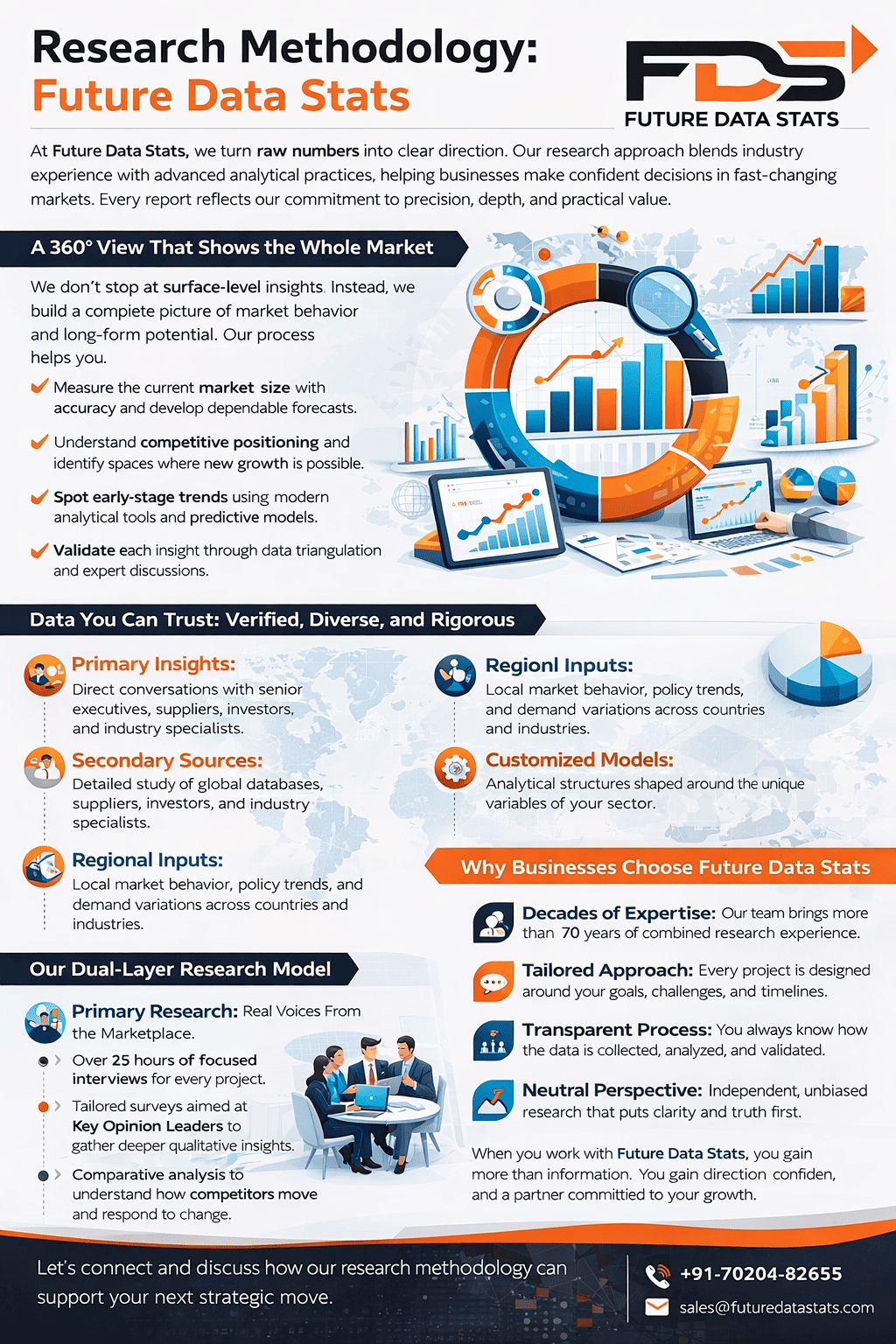
- 4 Research Methodology
- 5 Data Sources and Assumptions
Chapter 2: Executive Summary
- 1 Key Market Highlights
- 2 Major Growth Drivers
- 3 Market Restraints and Challenges
- 4 Emerging Opportunities
Chapter 3: Market Dynamics
- 1 Market Drivers
- 2 Market Restraints
- 3 Market Opportunities
- 4 Market Trends
- 5 Impact Analysis of AI Adoption in Construction
Chapter 4: Market Segmentation
4.1 By Component
- Software
- Hardware
- Services
4.2 By Technology
- Machine Learning
- Computer Vision
- Natural Language Processing
- Deep Learning
4.3 By Deployment Mode
- Cloud-based
- On-premises
4.4 By Application
- Project Planning and Design
- Construction Management
- Risk Management and Safety Monitoring
- Cost Estimation and Budgeting
- Predictive Maintenance
- Building Information Modeling (BIM)
4.5 By End-User
- Residential Construction
- Commercial Construction
- Industrial Construction
- Infrastructure and Public Works
4.6 By Region
- North America
- Europe
- Asia Pacific
- Latin America
- Middle East & Africa
Chapter 5: Regional Analysis
- 1 North America Market Analysis
- 2 Europe Market Analysis
- 3 Asia Pacific Market Analysis
- 4 Latin America Market Analysis
- 5 Middle East & Africa Market Analysis
Chapter 6: Competitive Landscape
- 1 Market Share Analysis
- 2 Competitive Strategies
- 3 Key Company Profiles
- 4 Recent Developments
Chapter 7: Key Company Profiles
- 1 Leading Market Players Overview
- 2 Strategic Initiatives
- 3 Product & Service Offerings
- 4 Financial Overview (if applicable)
Chapter 8: Investment Analysis
- 1 Funding and Investment Trends
- 2 Mergers and Acquisitions
- 3 Startup Ecosystem Analysis
Chapter 9: Future Outlook
- 1 Market Forecast Overview
- 2 Emerging Technologies Impact
- 3 Long-Term Growth Opportunities
List of Tables
- Table 1: Global AI in Construction and Architecture Market Overview
- Table 2: Market Segmentation by Component
- Table 3: Market Segmentation by Technology
- Table 4: Market Segmentation by Deployment Mode
- Table 5: Market Segmentation by Application
- Table 6: Market Segmentation by End-User
- Table 7: Regional Market Size and Forecast
- Table 8: North America Market Breakdown
- Table 9: Europe Market Breakdown
- Table 10: Asia Pacific Market Breakdown
- Table 11: Latin America Market Breakdown
- Table 12: Middle East & Africa Market Breakdown
- Table 13: Key Company Profiles Overview
- Table 14: Competitive Market Share Analysis
- Table 15: Investment and Funding Trends
List of Figures
- Figure 1: AI in Construction and Architecture Market Overview
- Figure 2: Market Research Methodology Flowchart
- Figure 3: Market Growth Drivers Overview
- Figure 4: Market Restraints and Challenges
- Figure 5: Market Opportunities Landscape
- Figure 6: Market Segmentation by Component
- Figure 7: Market Segmentation by Technology
- Figure 8: Market Segmentation by Deployment Mode
- Figure 9: Market Segmentation by Application
- Figure 10: Market Segmentation by End-User
- Figure 11: Regional Market Distribution
- Figure 12: North America Market Share Analysis
- Figure 13: Europe Market Share Analysis
- Figure 14: Asia Pacific Market Share Analysis
- Figure 15: Competitive Landscape Overview
- Figure 16: Market Forecast Trend Analysis
- Figure 17: Investment and M&A Activity Trends
AI in Construction and Architecture Market segmentation
By Component:
- Software
- Hardware
- Services
By Technology:
- Machine Learning
- Computer Vision
- Natural Language Processing
- Deep Learning
By Deployment Mode:
- Cloud-based
- On-premises
By Application:
- Project Planning and Design
- Construction Management
- Risk Management and Safety Monitoring
- Cost Estimation and Budgeting
- Predictive Maintenance
- Building Information Modeling (BIM)
By End-User:
- Residential Construction
- Commercial Construction
- Industrial Construction
- Infrastructure and Public Works
By Geography:
- North America (USA, Canada, Mexico)
- Europe (UK, Germany, France, Italy, Spain, Rest of Europe)
- Asia-Pacific (China, Japan, Australia, South Korea, India, Rest of Asia-Pacific)
- South America (Brazil, Argentina, Rest of South America)
- Middle East and Africa (GCC Countries, South Africa, Rest of MEA)

AI in Construction and Architecture Market Dynamic Factors
Drivers:
- AI boosts project effciency by automating design, planning, and scheduling tasks
- Rising demand for cost rieduction pushes firms to adopt predictive construction analytics
- Growing smart city development accelerates AI integration in large infrastructure projects
Restraints:
- High implementation and software integration costs slow small firm adoption
- Limited skilled workforce restricts effective AI deployment in construction workflows
- Data security concerns hinder full-scale adoption across connected construction systems
Opportunities:
- Expansion of smart cities creates strong demand for AI-based planning tools
- Growth in digital twin technology opens new project simulation markets
- Rising green building demand supports AI-driven sustainable design solutions
Challenges:
- Fragmented construction data reduces AI accuracy and model performance
- Resistance to digital transformation delays adoption in traditional firms
- Complex regulatory compliance increases implementation difficulty across regions
AI in Construction and Architecture Market Regional Key Trends
North America:
- Firms rapidly deploy AI-powered BIM for design optimization and cost control
- Construction companies adopt autonomous site monitoring for safety improvement
- Strong tech investment drives predictive analytics in large infrastructure projects
Europe:
- AI supports strict sustainability and energy-efficient building regulations
- Digital twin adoption grows across urban planning and smart infrastructure
- Contractors focus on reducing carbon footprint using AI-driven design systems
Asia Pacific:
- Smart city projects accelerate large-scale AI integration in construction workflows
- Rapid urbanization increases demand for automated project management tools
- Construction firms adopt AI for faster housing and infrastructure delivery
Latin America:
- Infrastructure modernization drives gradual adoption of AI construction tools
- Firms use AI for improving project scheduling and cost estimation accuracy
- Foreign investments support digital transformation in construction sector
Middle East & Africa:
- Mega projects boost demand for AI-based construction planning systems
- Governments invest in smart city and futuristic urban development initiatives
- AI adoption improves efficiency in large-scale infrastructure execution projects
Frequently Asked Questions














