
According to insights from Future Data Stats, the Omiyage Gift Market was valued at USD 1.64 billion in 2025. It is expected to grow from USD 1.77 billion in 2026 to USD 3.05 billion by 2033, registering a CAGR of 8.1% during the forecast period (2026–2033).
MARKET OVERVIEW:
The Omiyage Gift Market serves the growing demand for culturally meaningful gifting products that travelers, businesses, and consumers purchase to express appreciation, strengthen relationships, and share regional identity. The market connects local artisans, specialty food producers, souvenir manufacturers, and premium packaging providers with buyers seeking memorable gifts that carry authenticity and emotional value. Businesses leverage omiyage products to increase customer engagement, enhance brand perception, and create differentiated retail experiences that encourage repeat purchases and higher spending.
""Research insight: Buyers increasingly favor culturally authentic gifts with premium presentation, driving stronger purchase intent and repeat gifting behavior.""
The Omiyage Gift Market also supports tourism development by transforming local traditions, regional specialties, and handcrafted products into commercially attractive offerings. Companies use innovative packaging, storytelling, and product customization to elevate gift appeal and capture consumer attention in competitive retail environments. As international travel, corporate gifting, and experiential shopping continue expanding, the market creates valuable opportunities for suppliers to build brand loyalty, increase conversion rates, and generate sustainable revenue growth through distinctive gifting solutions.
MARKET DYNAMICS:
Latest trends highlight premium local specialties, sustainable packaging, and personalized gift assortments, while upcoming trends emphasize digital gifting platforms and cross-border cultural merchandise. ""Research insight: Consumers increasingly select premium, story-driven gifts that combine authenticity, sustainability, convenience, and emotional value."" Expanding tourism, e-commerce integration, and corporate gifting programs broaden business scope, helping brands capture higher-value customers and accelerate revenue growth worldwide.
Rising tourism, cultural appreciation, and premium gifting preferences drive market expansion, while fluctuating travel activity and higher artisanal production costs restrain growth. ""Research insight: Strong demand for authentic regional gifts continues creating new revenue channels across tourism and retail sectors globally."" Opportunities emerge through e-commerce, personalized offerings, sustainable packaging, and corporate gifting partnerships, enabling stronger market penetration and profitability.
Analyst Key Takeaways:
The Omiyage Gift Market is witnessing steady expansion, fueled by the resurgence of international tourism, increasing demand for authentic regional products, and consumers' preference for culturally meaningful gifts. Travelers are increasingly seeking locally produced food, confectionery, handicrafts, and specialty items that reflect the identity of a destination, making omiyage an integral part of travel experiences. The market is also benefiting from premium packaging innovations, seasonal product launches, and collaborations between local artisans and established brands.
From an analyst's perspective, Asia-Pacific—particularly Japan—continues to dominate the market due to its deeply rooted gifting culture and high tourist footfall, while international destinations are adopting similar destination-specific gifting concepts to attract travelers. Expanding airport retail, railway station stores, e-commerce integration, and duty-free channels are further enhancing product accessibility. Growing consumer interest in sustainable packaging, locally sourced ingredients, and personalized souvenirs is expected to create new growth opportunities and strengthen the market's long-term outlook.
OMIYAGE GIFT MARKET SEGMENTATION ANALYSIS
BY PRODUCT TYPE:
The Omiyage gift market is strongly driven by culturally rooted consumption patterns where confectionery and sweets dominate due to their universal appeal and easy portability. Travelers prefer region-specific snacks that symbolize local identity, making them a default purchase in both domestic and international tourism. packaged food items also gain traction as they combine authenticity with convenience, allowing buyers to carry a “taste of place” experience. Handicrafts and souvenirs contribute significantly where cultural storytelling and craftsmanship add emotional value, strengthening repeat purchase behavior across tourist-heavy destinations.
Research Insight: “Confectionery-led omiyage sales account for nearly half of tourist purchases across major travel hubs in Asia.”
Handicrafts and traditional items continue to expand as premium gifting options, especially among international tourists seeking cultural authenticity. apparel and accessories are increasingly influenced by localized branding and limited-edition designs tied to destinations or events. Retailers are focusing on product differentiation through packaging innovation and seasonal offerings to maximize impulse buying. Market players are also integrating storytelling elements to enhance perceived value, making each product not just a souvenir but a symbolic representation of travel experience, thereby boosting overall basket value and brand recall.
BY DISTRIBUTION CHANNEL:
Tourist and souvenir shops remain the backbone of the Omiyage gift market, benefiting from high footfall in sightseeing zones and transport corridors. These outlets strategically position localized products at points of emotional purchase decision-making. Airports and transportation hubs further strengthen sales through convenience-driven shopping behavior, where travelers prioritize last-minute gifting needs. Department stores and retail chains add structured merchandising, offering curated regional products that appeal to organized shoppers looking for quality assurance and variety under one roof.
Research Insight: “Airport retail contributes over one-third of impulse omiyage purchases globally.”
E-commerce platforms are rapidly reshaping distribution by enabling pre-trip and post-trip purchasing behavior, expanding reach beyond physical travel routes. Specialty and artisan stores enhance authenticity perception, attracting niche buyers who value craftsmanship and exclusivity. Digital channels also allow brands to showcase regional identity through storytelling-driven marketing, increasing engagement and repeat purchases. The integration of omnichannel retail strategies is becoming essential as consumers increasingly blend physical travel experiences with digital shopping convenience, strengthening overall market penetration.
BY END USER:
Domestic tourists represent the largest consumption base in the Omiyage gift market, driven by frequent travel patterns and strong cultural norms around gift-giving after regional visits. Their purchasing behavior is highly habitual, with preferences leaning toward affordable, locally recognized products. International tourists, however, contribute higher per-unit spending due to their focus on culturally unique and premium souvenir items. Their decisions are often influenced by novelty, authenticity, and destination branding, making them a critical revenue segment for high-value product categories.
Research Insight: “International travelers spend up to 2.5 times more per omiyage purchase than domestic tourists.”
Corporate buyers and institutions are emerging as a stable demand segment, using omiyage products for business gifting, client relations, and cultural engagement initiatives. This segment values consistency, packaging quality, and brand reputation over price sensitivity. Bulk purchasing behavior drives predictable revenue streams for manufacturers and retailers. Additionally, tourism-linked corporate gifting is increasing as companies leverage local cultural products to strengthen business relationships, especially in cross-border trade and hospitality sectors, supporting sustained market expansion.
BY PURCHASE OCCASION:
Leisure travel dominates the Omiyage gift market as it represents emotionally driven consumption where tourists seek memorable keepsakes for friends and family. Purchases in this category are often spontaneous, influenced by destination experience and cultural immersion. Business travel also contributes steadily, where gifting is used as a professional courtesy and relationship-building tool. Cultural and festival visits further amplify seasonal demand spikes, particularly in regions with strong heritage tourism and event-based retail activity.
Research Insight: “Festival seasons can boost omiyage sales volumes by more than 40% in key tourist destinations.”
Pilgrimage and heritage tourism create a highly emotional purchase environment, where gifts often carry spiritual or symbolic significance. These occasions support niche product categories tied to religious or historical relevance. Retailers strategically align product availability and packaging themes with seasonal and cultural calendars to maximize conversion rates. Overall, purchase occasion segmentation highlights the strong emotional dependency of the market, where timing, cultural relevance, and travel motivation directly influence sales intensity and product selection behavior.
REGIONAL ANALYSIS:
North America and Europe drive steady growth in the Omiyage Gift Market through strong tourism activity, rising demand for premium souvenirs, and increasing interest in culturally inspired gifting products. Retailers across these regions expand curated gift collections, specialty food offerings, and personalized packaging solutions to attract travelers and corporate buyers. Consumers increasingly seek authentic experiences, encouraging brands to position regional products as memorable gifts with emotional and cultural significance. Europe benefits from its rich heritage tourism sector, while North America leverages diverse consumer preferences and advanced retail networks to accelerate market penetration and sales conversion.
""Research insight: Authentic regional storytelling and premium presentation consistently increase gift purchase intent, customer engagement, and repeat buying rates.""
Asia Pacific leads the Omiyage Gift Market due to the deep-rooted gifting culture in countries such as Japan, South Korea, and China, where travelers actively purchase regional specialties for family, friends, and business associates. Latin America benefits from expanding tourism infrastructure and growing demand for artisan-crafted souvenirs, while the Middle East & Africa capitalize on luxury tourism, cultural festivals, and premium retail developments. Across these regions, businesses strengthen revenue opportunities by combining local craftsmanship, modern packaging innovation, and digital retail channels to create high-value gifting experiences that attract both domestic and international consumers.
RECENT DEVELPMENTS:
- In January 2025 – Cake.jp launched its first omiyage-focused pop-up store at Haneda Airport Terminal 1, featuring collaboration cookie tins designed for travelers seeking premium souvenir gifts and airport-exclusive purchases.
- In March 2025 – Cake.jp introduced a Haneda Airport-exclusive version of its The Very Hungry Caterpillar cookie tin, expanding limited-edition omiyage offerings and strengthening destination-specific gift merchandising.
- In March 2025 – Yano Research Institute reported that Japan’s gift market was expected to reach ¥11.188 trillion in 2024, supported by recovering tourism activity and rising demand for personal and souvenir-oriented gifting products.
- In December 2025 – Cake.jp expanded its airport retail footprint by opening a new pop-up store at New Chitose Airport, offering reusable gift-oriented cookie tins and strengthening omiyage distribution across major travel hubs.
- In February 2026 – Yano Research Institute projected Japan’s gift market to reach approximately ¥11.565 trillion in 2025, reflecting sustained growth in gifting culture, tourism-related purchases, and premium souvenir demand.
- In March 2026 – Yano Research Institute forecast the domestic gift market to expand further to ¥11.775 trillion in 2026, driven by increasing adoption of e-gifts, diversified gifting occasions, and continued consumer spending on specialty gift products.
COMPETITOR OUTLOOK:
The Strait of Omiyage Gift Market remains highly competitive, characterized by established confectionery manufacturers, regional specialty producers, airport retailers, and souvenir-focused brand operators. Market leaders continue to invest in premium packaging, limited-edition collaborations, and destination-specific products that appeal to both domestic travelers and international tourists. Airport-exclusive launches and regionally differentiated offerings remain key competitive strategies, particularly in major tourism hubs such as Tokyo, Osaka, Kyoto, and Hokkaido.
Competition is also intensifying through digital transformation and omnichannel distribution. Companies are increasingly leveraging e-commerce platforms, digital gift services, and tourism partnerships to expand market reach. The growth of inbound tourism, Expo-related demand, and experiential gifting trends is encouraging brands to introduce innovative products while strengthening regional authenticity. Firms that combine strong brand recognition, localized storytelling, and broad retail accessibility are expected to maintain competitive advantages through 2026.
KEY MARKET PLAYERS:
- Tokyo Banana World (Grapestone)
- Calbee Inc.
- Ishiya Co., Ltd.
- Royce' Confect Co., Ltd.
- Yoku Moku Co., Ltd.
- Toraya Confectionery Co., Ltd.
- Shogoin Yatsuhashi Honpo Co., Ltd.
- Izutsu Yatsuhashi Honpo Co., Ltd.
- Rokkatei Confectionery Co., Ltd.
- Morozoff Limited
- Fujiya Co., Ltd.
- Kameya Yoshinaga Co., Ltd.
- Minamoto Kitchoan Co., Ltd.
- Tokyo milk cheese Factory
- LeTAO Co., Ltd.
- Nakajima Taishodo Holdings Co., Ltd.
- jp Inc.
- ANA Akindo Co., Ltd.
- Eikyu Links Co., Ltd. (OMIYAGe-gift)
- Japan Airport Terminal Co., Ltd.
Omiyage Gift Market-Table of Contents
Chapter 1: Introduction
- 1 Market Definition and Scope
- 2 Study Objectives
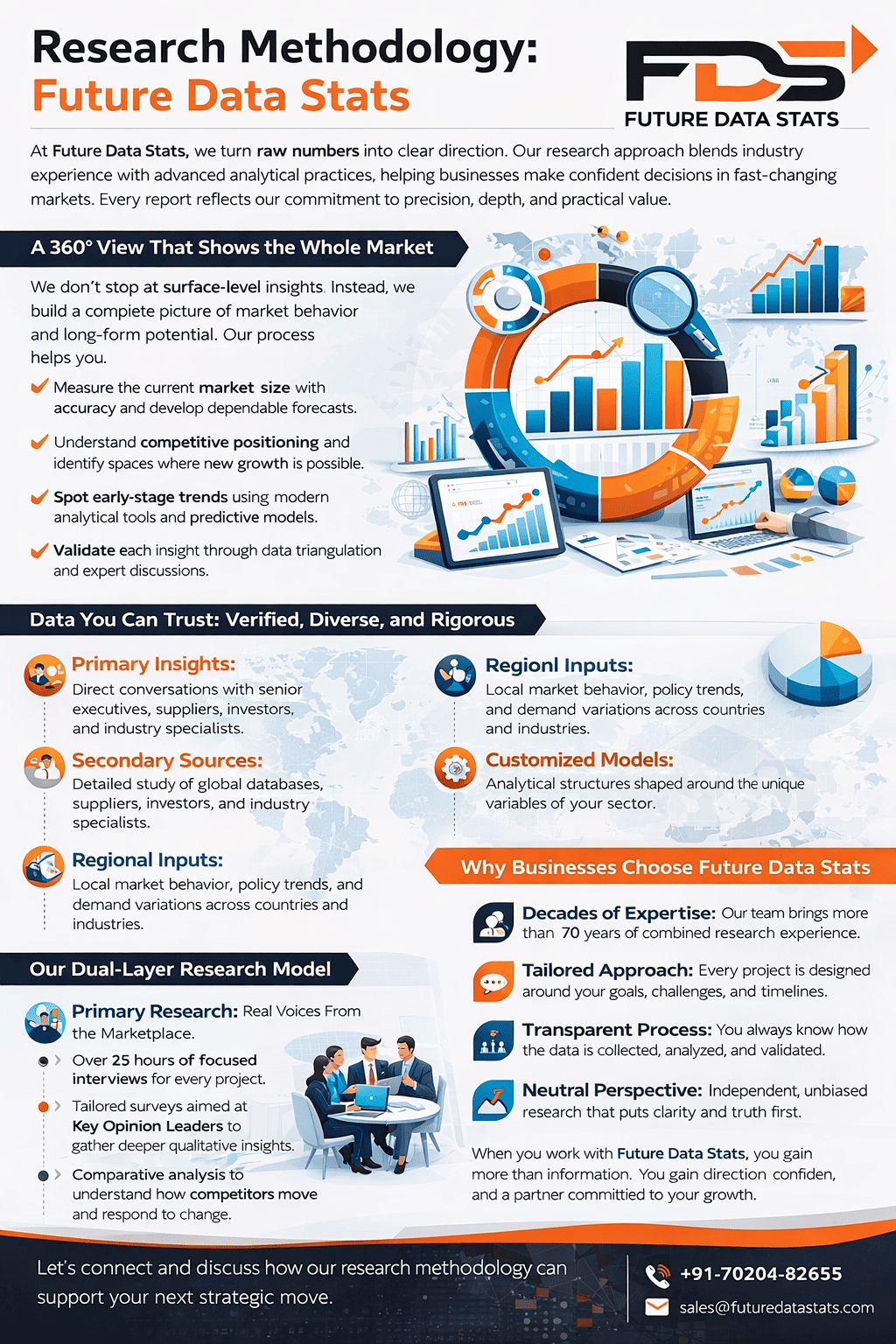
- 3 Research Methodology
- 4 Market Taxonomy (Segmentation Overview)
- 5 Assumptions and Limitations
Chapter 2: Executive Summary
- 1 Global Market Overview
- 2 Key Market Insights
- 3 Major Growth Drivers
- 4 Key Challenges and Opportunities
- 5 Snapshot of Market Segmentation
Chapter 3: Market Overview
- 1 Market Evolution
- 2 Market Dynamics
- 2.1 Drivers
- 2.2 Restraints
- 2.3 Opportunities
- 2.4 Challenges
- 3 Value Chain Analysis
- 4 Industry Trends
Chapter 4: Omiyage Gift Market Segmentation (Core Framework)
- 1 By Product Type
- Confectionery & Sweets
- Packaged Local Food Products
- Handicrafts & Traditional Souvenirs
- Apparel & Accessories
- Others (Stationery, Collectibles, etc.)
- 2 By Distribution Channel
- Tourist & Souvenir Shops
- Airports & Transportation Hubs
- Department Stores & Retail Chains
- Online Retail / E-commerce
- Specialty & Local Artisan Stores
- 3 By End User
- Domestic Tourists
- International Tourists
- Corporate Buyers / Gifting Institutions
- 4 By Purchase Occasion
- Leisure Travel
- Business Travel
- Cultural & Festival Visits
- Pilgrimage & Heritage Tourism
Chapter 5: Market Size and Forecast Analysis
- 1 Historical Market Size
- 2 Current Market Size
- 3 Forecast (Revenue & Volume)
- 4 Growth Rate Analysis
- 5 Regional Contribution to Market Size
Chapter 6: Regional Analysis
- 1 Asia-Pacific
- 2 North America
- 3 Europe
- 4 Middle East & Africa
- 5 Latin America
Chapter 7: Competitive Landscape
- 1 Market Structure Overview
- 2 Key Player Analysis
- 3 Market Share Analysis
- 4 Strategic Initiatives (Mergers, Partnerships, Expansions)
- 5 Competitive Benchmarking
Chapter 8: Consumer Behavior Analysis
- 1 Buying Patterns of Tourists
- 2 Cultural Influence on Gift Selection
- 3 Price Sensitivity Analysis
- 4 Brand vs Local Preference
Chapter 9: Industry Trends & Innovations
- 1 Product Innovation Trends
- 2 Packaging & Personalization Trends
- 3 Digitalization & E-commerce Growth
- 4 Sustainability Trends in Omiyage Gifts
Chapter 10: Challenges and Market Barriers
- 1 Supply Chain Constraints
- 2 Seasonal Demand Fluctuations
- 3 Regulatory and Trade Barriers
- 4 Counterfeit and Low-quality Products
Chapter 11: Investment and Growth Opportunities
- 1 Emerging Market Opportunities
- 2 Tourism-driven Demand Growth
- 3 Digital Expansion Opportunities
- 4 Product Diversification Scope
Chapter 12: Future Outlook
- 1 Long-term Market Forecast
- 2 Strategic Recommendations
- 3 Future Demand Drivers
List of Tables
- Table 1: Omiyage Gift Market Segmentation Overview
- Table 2: Market Size and Forecast by Product Type
- Table 3: Market Size and Forecast by Distribution Channel
- Table 4: Market Size and Forecast by End User
- Table 5: Market Size and Forecast by Purchase Occasion
- Table 6: Regional Market Revenue Distribution
- Table 7: Competitive Market Share Analysis
- Table 8: Price Trend Analysis of Omiyage Gift Products
- Table 9: Consumer Preference by Gift Category
- Table 10: E-commerce vs Offline Sales Contribution
List of Figures
- Figure 1: Omiyage Gift Market Research Methodology Flow
- Figure 2: Market Value Chain Structure
- Figure 3: Global Market Size Trend (Historical & Forecast)
- Figure 4: Market Segmentation by Product Type
- Figure 5: Distribution Channel Share Analysis
- Figure 6: End User Segmentation Breakdown
- Figure 7: Purchase Occasion Distribution
- Figure 8: Regional Market Share Analysis
- Figure 9: Competitive Landscape Overview
- Figure 10: Consumer Buying Behavior Trends
- Figure 11: Digital vs Traditional Sales Growth Trend
- Figure 12: Future Market Growth Projection
Omiyage Gift Market Segmentation
By Product Type:
- Confectionery & Sweets
- Packaged Local Food Products
- Handicrafts & Traditional Souvenirs
- Apparel & Accessories
- Others (stationery, collectibles, etc.)
By Distribution Channel:
- Tourist & Souvenir Shops
- Airports & Transportation Hubs
- Department Stores & Retail Chains
- Online Retail / E-commerce
- Specialty & Local Artisan Stores
By End User:
- Domestic Tourists
- International Tourists
- Corporate Buyers / Gifting Institutions
By Purchase Occasion:
- Leisure Travel
- Business Travel
- Cultural & Festival Visits
- Pilgrimage & Heritage Tourism
By Geography:
- North America (USA, Canada, Mexico)
- Europe (UK, Germany, France, Italy, Spain, Rest of Europe)
- Asia-Pacific (China, Japan, Australia, South Korea, India, Rest of Asia-Pacific)
- South America (Brazil, Argentina, Rest of South America)
- Middle East and Africa (GCC Countries, South Africa, Rest of MEA)

Omiyage Gift Market Dynamic Factors
Drivers:
- Rising tourism boosts demand for destination-specific souvenir gifts.
- Consumers favor premium and culturally authentic gifting products.
- Airport, railway, and online retail channels expand product reach.
Restraints:
- Seasonal travel fluctuations affect souvenir purchase volumes.
- High packaging and logistics costs pressure profit margins.
- Limited shelf life restricts distribution of food-based omiyage items.
Opportunities:
- Digital gifting platforms create new sales avenues.
- Growing inbound tourism increases demand for regional specialties.
- Sustainable packaging attracts environmentally conscious buyers.
Challenges:
- Intense competition limits product differentiation.
- Counterfeit and imitation products weaken brand value.
- Changing consumer preferences require frequent product innovation.
Omiyage Gift Market Regional Key Trends
North America:
- Specialty Asian gift products gain visibility in ethnic retail stores.
- Online marketplaces increase access to imported omiyage items.
- Consumers seek premium and culturally themed gift experiences.
Europe:
- Demand grows for authentic international confectionery gifts.
- Tourism-focused retailers expand curated souvenir product selections.
- Sustainable packaging influences purchasing decisions.
Asia Pacific:
- Strong domestic and international tourism supports market growth.
- Regional brands launch limited-edition and location-exclusive products.
- Digital commerce strengthens souvenir gift distribution networks.
Latin America:
- Rising middle-class spending supports premium gifting categories.
- International travel increases exposure to Japanese gift culture.
- Retailers expand imported specialty food and gift offerings.
Middle East & Africa:
- Airport retail channels drive sales of premium souvenir gifts.
- Luxury gifting trends support demand for packaged specialty products.
- Tourism development encourages wider availability of cultural gift items.
"
Frequently Asked Questions














